
By Clint Sanchez · Published · Updated · 8 min read
Quick answer
There is no such thing as a near me keyword. Google works out where the searcher is standing and ranks nearby businesses on relevance, distance, and prominence. To win those searches, verify and complete your Google Business Profile, keep your name, address, and phone identical everywhere, name the places you serve in real content, add LocalBusiness schema, load fast on mobile, and collect reviews steadily.
Key takeaways
- Google ranks local results on relevance, distance, and prominence. Distance is fixed, so relevance and prominence are where the work is.
- Do not write the phrase near me into your copy. Google resolves it from the searcher's position, and it reads as broken English to customers.
- Google's spam policies name blocks of text listing cities and regions as an example of keyword stuffing.
- Adding keywords or locations to your Business Profile name is against Google's guidelines and can get the profile suspended.
- LocalBusiness schema requires only name and address, but geo coordinates, opening hours, telephone, and url are all recommended.
- BrightLocal's 2026 survey found 74 percent of consumers weight reviews from the last three months most heavily, so a steady trickle beats a burst.
- Write real local detail: neighbourhoods, landmarks, the parish, written driving directions. That is what a page about a place looks like.
A Denham Springs search for "plumber near me" pulls different results at the Range Avenue exit than it does in Watson, and a Baton Rouge search changes again across the river. Writing directions from I-12, Juban Crossing, or the Livingston Parish courthouse into your pages gives Google the same location cues your customers use when they describe where you are.

Want this handled instead of DIY?
A 15-minute call, no script, no pressure. You leave with a plan either way.
There is no such thing as a "near me" keyword. Google works out where the searcher is and ranks nearby businesses on relevance, distance, and prominence. To win those searches, complete and verify your Google Business Profile, keep your name, address, and phone identical everywhere, name the towns you serve in real content, add LocalBusiness schema, load fast on mobile, and collect reviews.
How Google decides who wins a near me search
Every near-me tactic is either serving one of three factors or wasting your time, and Google publishes what those factors are.
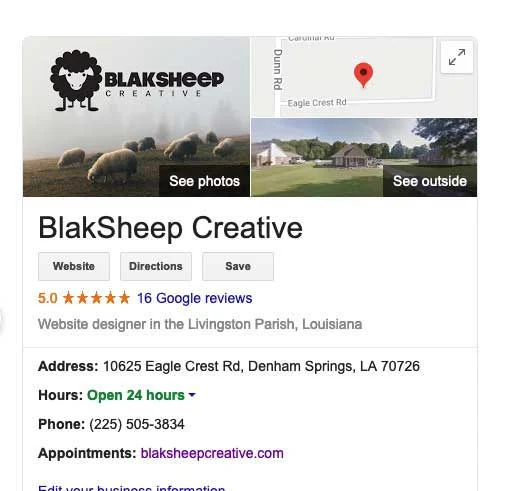
In its guidance on improving local ranking, Google names three:
- Relevance: how well a Business Profile matches what someone is searching for.
- Distance: how far each business is from the customer who is searching.
- Prominence: how well known a business is, informed by links, articles, directories, and review count and score.
Read those three again with your own business in mind. Distance is largely fixed: you cannot move your shop closer to a searcher in Prairieville. Relevance and prominence are where all the available work is, and they are the two you control almost entirely.
This also explains the frustrating result every local owner has seen, where a competitor with a worse website outranks you for a search in their part of town. They were closer. The answer is not to fight that search, it is to win the ones where you are the close one, and to build enough prominence to be pulled into a wider radius.
Should you add "near me" to your website copy?
No, and this is the single most common mistake in this category, so it is worth being blunt about.
The phrase "near me" carries no information about a place. Google resolves it using the searcher's own position, which is why the results for "plumber near me" differ for two people standing on opposite sides of Baton Rouge. Writing "we are the best plumber near me" onto your homepage does not tell Google anything it did not already know, and it reads as broken English to the human deciding if they should call you.
Worse, the usual version of this tactic runs into Google's spam policies directly. Google's spam policies for web search list "blocks of text that list cities and regions that a web page is trying to rank for" as an example of keyword stuffing.
The same rule applies to your Business Profile name. Google's guidelines for representing your business say the name should reflect your real-world name and that adding keywords, locations, or taglines "isn't permitted, and could result in the suspension of your Business Profile". "Smith Plumbing Baton Rouge Emergency 24/7" is a suspension waiting to happen.
What to do instead: write about the places you actually serve in a way a customer would recognize. That is the rest of this article.
Your Business Profile does most of the work
For a near-me search, the profile is usually the ranking entity, not your website. Treat it as your most important page.
Google's own tips for improving local ranking are unglamorous: verify the business, keep information complete and current, respond to reviews, and add photos. That is a checklist you can finish this week.
- Verify. Unverified profiles do not compete.
- Pick the most specific primary category. "Septic system service" beats "contractor". Add secondary categories for the rest.
- Set hours, including holiday hours. Google surfaces "open now" and closed businesses lose the click.
- Fill out services and attributes. Every field is a relevance signal you are otherwise leaving blank.
- Add real photos monthly. Trucks, crew, finished jobs, storefront.
- Answer questions in the Q&A section yourself before somebody else answers them wrong.
If you serve customers at their location rather than yours, set a service area and hide the street address. Our walkthrough of the local SEO process we run in Denham Springs covers the sequence, and the rename from Google My Business to Business Profile explains why older guides use different terms.
Make your location obvious without stuffing it
Google needs to connect your website to a place. The way to do that is with facts a human would also find useful, not with a list of city names in the footer.
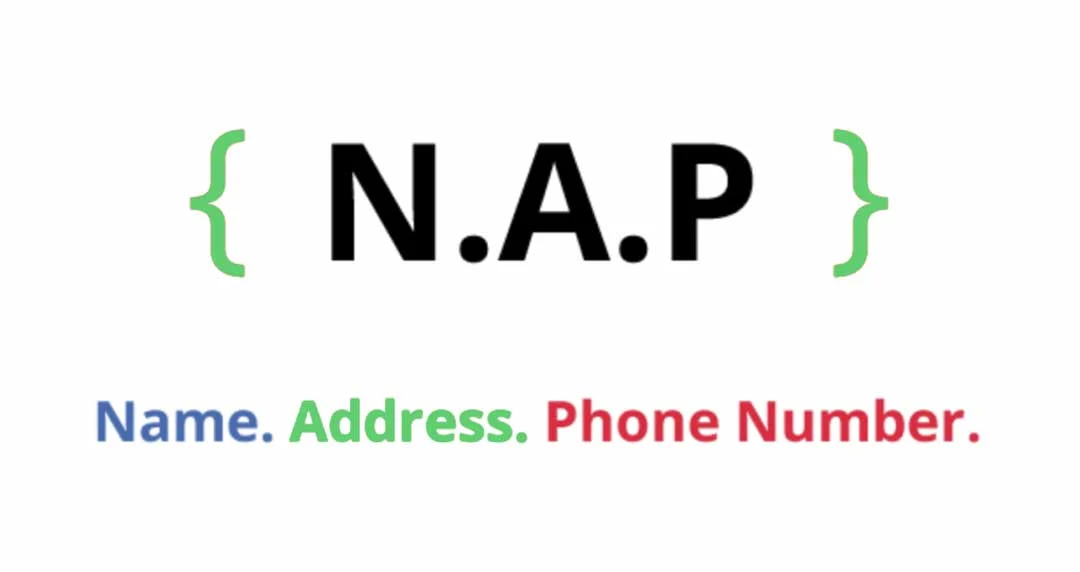
Start with the name, address, and phone number. One version, formatted identically, on your website, your Business Profile, your invoices, and every directory listing. "Suite 3" in one place and "Ste. 3" in another is the kind of small inconsistency that dilutes a signal you are trying to concentrate.
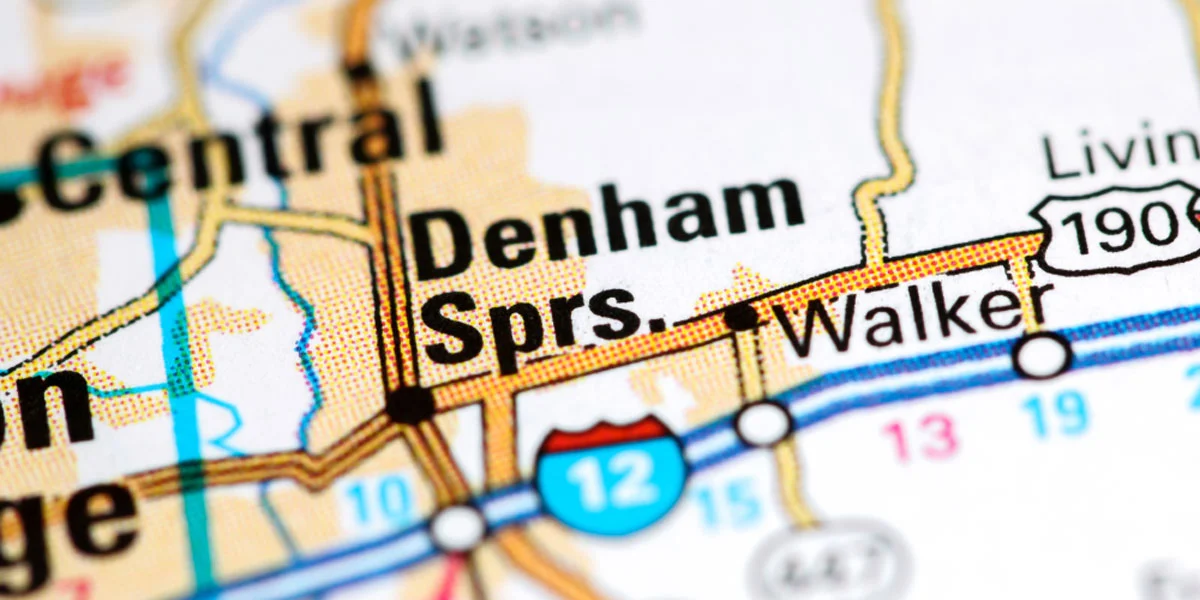
Then add the detail that only a local would write. Neighbourhoods, landmarks, the parish, the interstate exit, the school district. A page that mentions Range Avenue, the Amite River, and Livingston Parish is unmistakably about Denham Springs in a way that a page repeating "Denham Springs" nine times is not.

Written driving directions from two or three recognisable starting points are one of the most underused elements on a contact page. They are useful to a real person, and they carry place names in natural sentences. Give each town you genuinely serve its own page with genuinely different content, and skip the towns where you would not actually take the job.
Google ranks local results on relevance, distance, and prominence. Distance is fixed, so relevance and prominence are where the work is.
Add LocalBusiness schema so the details are unambiguous
Structured data restates your business facts in a format Google parses without guessing, which matters when the same information is scattered across a page.

Google's LocalBusiness structured data documentation requires only two properties, name and address, but recommends several more that are worth adding: geo coordinates to at least five decimal places, openingHoursSpecification, telephone, url, and priceRange. Use JSON-LD, put it on the page describing that location, and validate it in the Rich Results Test.
Schema is not a ranking factor by itself, and any tool promising otherwise is selling something. What it does is remove ambiguity, which is worth more than it sounds when Google is deciding which of four similarly named businesses in the same parish you are. Our explainer on what schema markup is covers the basics without the jargon.
Near me searches happen on a phone, in a hurry
The person typing "electrician near me" is standing in a dark kitchen. Everything about your mobile experience is being judged against that.
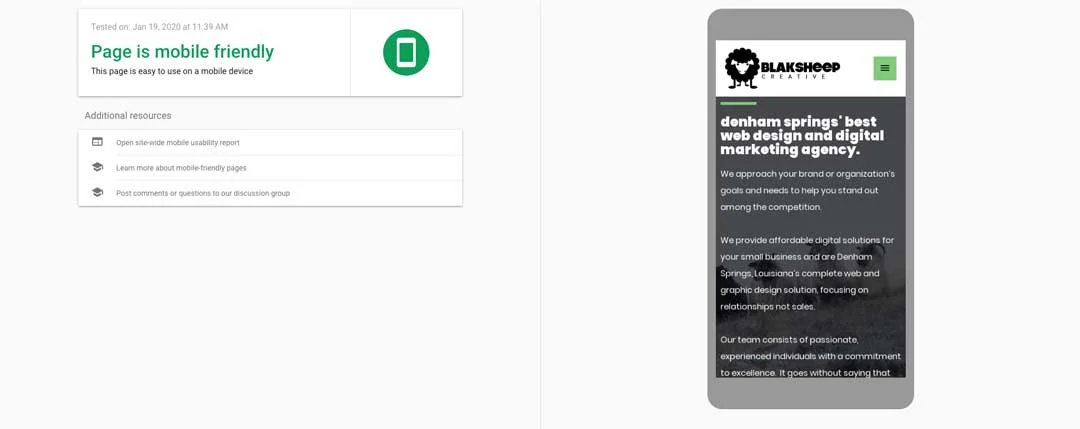
Three checks, in order of how often they fail. Is your phone number tappable and visible without scrolling? Does the page render its main content in under two and a half seconds on a phone connection? Is the contact form short enough to complete one-handed?
A fast, plain page beats a slow, beautiful one every time in this category, because the searcher is comparing you against the next result rather than against your old site. Our post on responsive web design covers the build side.
Reviews are how prominence gets built
Prominence is the factor most owners treat as out of their hands, and reviews are the part of it that is entirely within them.
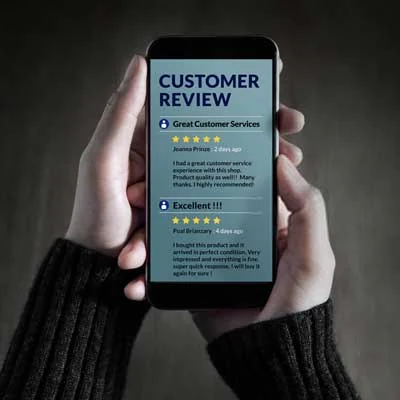
BrightLocal's 2026 Local Consumer Review Survey of 1,002 US consumers found 97 percent read reviews for local businesses and 68 percent want at least a 4-star average. It also found 74 percent give most weight to reviews from the last three months, which is the finding that changes how you should work.
A steady trickle beats a burst. Twenty reviews collected over ten months looks healthier to both Google and a customer than forty collected in one week. Ask at the moment the job is finished and the customer is happiest, make the link one tap, and reply to every review, including the bad ones. The same survey found 80 percent are more inclined to use a business that responds to all feedback.
One rule that gets people suspended: do not review your own business, and do not ask staff to. We wrote about why in never leave a review for your own business.
“Clint took my company's project much further than I ever expected. His tech experience was fantastic, but even more than that, he guided me in directions I hadn't anticipated. We hadn't planned on some of the changes he suggested, but he made it all bigger, better and bolder.”
Local links and citations
The rest of prominence comes from the web referring to you by name in the places a local search engine would look.
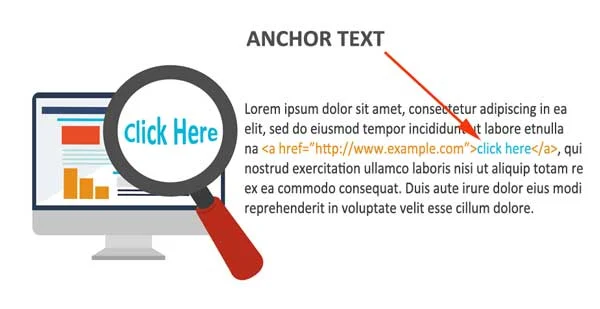
Citations are simply mentions of your name, address, and phone on other sites. The ones worth claiming are the ones people in your area actually use: Apple Business Connect, Bing Places, Yelp, the Better Business Bureau, your chamber of commerce, and the trade associations for your industry. Consistency matters more than volume, and a stale listing with an old phone number does active harm.
Links from local organizations carry more weight for local search than a generic directory ever will. Sponsor the softball team, host the trade group meeting, supply a quote to the parish paper, publish something the local chamber wants to share. Our post on free local backlinks lists the easy ones.
Writing about local subjects works for the same reason. A post about a storm response in Livingston Parish earns links from people in Livingston Parish, and those are the links a near-me search cares about.
A 30-day near me plan
If you do nothing else, do these in this order. Each week is a couple of hours.
| Week | Work | Why it comes first |
|---|---|---|
| 1 | Verify the profile, fix the category, complete hours, services, and attributes | Relevance is decided here before your website is even read |
| 2 | Standardise name, address, and phone everywhere, fix the worst directory listings | Conflicting details undercut every other signal |
| 3 | Add LocalBusiness schema, written directions, and real local detail to the contact page | Removes ambiguity about which place you belong to |
| 4 | Start the review routine and reply to every existing review | Prominence compounds, so the earlier it starts the better |
After that, the ongoing work is the boring part: photos monthly, reviews weekly, one genuinely local page or post a month. That routine is what separates the businesses that hold the map pack from the ones that appear in it for a fortnight.
Where to start
Open your Business Profile today and check three things: the primary category, the hours, and your replies to the last five reviews. That is a fifteen-minute audit that usually finds something, and it is worth more than any keyword you could add to your homepage.
If you would rather have it run properly and consistently, that is what our Google Business Profile management and Baton Rouge SEO work covers. We are in Denham Springs, and we will tell you honestly if your profile just needs an hour rather than an agency.
About the author

Founder & Lead Developer · Denham Springs, LA
Clint has built and marketed websites for 26 years, since founding BlakSheep Creative in 2000. He is also a 29-year firefighter and a 23-year member of IAFF Local 557, which is where the bias toward plain answers over sales copy comes from.
- Veteran-owned
- Firefighter-owned
- IAFF Local 557
Common Questions About Near Me Searches
Short answers to the questions that come up most on this topic.
Should I use the phrase near me on my website?
How does Google decide near me rankings?
Why does a competitor with a worse website outrank me?
Can I add my city to my Google Business Profile name?
Do I need LocalBusiness schema to rank locally?
How many reviews do I need to rank in the map pack?

Your next step, without the guesswork
No surprises, clear next steps, and a fixed price before anything starts.