
By Clint Sanchez · Published · Updated · 6 min read
Quick answer
Social media marketing for plumbers works when it keeps your name in front of homeowners in your service area before the pipe bursts. That takes six steps: decide who you are talking to, pick one or two platforms instead of six, post work you actually did, hold a schedule you can keep in a busy week, put a small paid budget behind the posts that land, and answer every message the same day.
Key takeaways
- Social media is not the emergency channel. Search takes the burst-pipe calls; social fills planned work such as water heaters, repipes, and commercial accounts.
- Pew's 2025 survey of 5,022 US adults puts YouTube at 84% and Facebook at 71%, which makes Facebook plus one video platform the default pair for a residential plumber.
- LinkedIn reaches 25% of US adults and is worth running only if property managers, general contractors, or commercial accounts are a real part of your book.
- The best-performing plumbing posts are photos of jobs you did with a sentence on what went wrong, not stock images or slogans.
- Two or three posts a week held for a year beats daily posting for a month. Separate photo capture on the job from one scheduling session per week.
- BrightLocal's 2026 survey found 47% of consumers will not use a business with fewer than 20 reviews and 32% expect a review reply by the next day.
- Judge the channel on tracked calls and booked work, not followers, and give it two quarters before deciding.
In Livingston and East Baton Rouge parishes, the neighborhood Facebook group is where a homeowner asks for a plumber when a water heater fails or a slab leak shows up after weeks of rain. A plumbing company that is active there, answers questions, and posts real jobs gets recommended by name before the homeowner ever opens Google.

Want this handled instead of DIY?
A 15-minute call, no script, no pressure. You leave with a plan either way.
Social media marketing for plumbers works when it does one job: keep your name in front of homeowners in your service area before the pipe bursts. That takes six steps. Decide who you are talking to, pick one or two platforms instead of six, post work you actually did, keep a schedule you can hold, put a small paid budget behind the posts that land, and answer every message the same day.
What social media can and cannot do for a plumbing company
Be honest about the mechanics first, because most plumbing social media fails on a wrong expectation rather than bad posting. Nobody with water coming through the ceiling opens Facebook. They search, they call the top three results, and they book whoever answers.
Social media is not the emergency channel. Search is. What social does is decide which of those three names the homeowner already recognises, and it fills the slower half of your book: water heater replacements, repipes, fixture upgrades, and the commercial accounts that take months to close.
So run it alongside search, not instead of it. A plumbing site built to rank still carries the emergency calls, which is why we treat plumbing website design and Google Business Profile work as the foundation and social as the layer on top. There is a longer list of channels worth running in nine marketing strategies for plumbing companies.
Step 1: Decide who you are actually talking to
A plumbing company usually serves two audiences that behave nothing alike, and trying to speak to both in one feed produces posts that reach neither.

Write down which one pays your bills:
- Homeowners. Reached on Facebook and increasingly on short video. They care about price honesty, showing up on time, and not making a mess. Their buying trigger is a problem or a remodel.
- Property managers and general contractors. Reached on LinkedIn and by phone. They care about scheduling reliability, licensing, insurance, and invoicing. Their buying trigger is a contract cycle.
- Builders and commercial accounts. Rarely won on social at all, but a credible feed makes the reference check go your way.
Then get specific about geography. A plumber covering Livingston Parish and East Baton Rouge Parish has a different feed than one covering a single subdivision. Name the towns in your posts. It reads as local because it is.
Step 2: Pick the platform your customers actually use
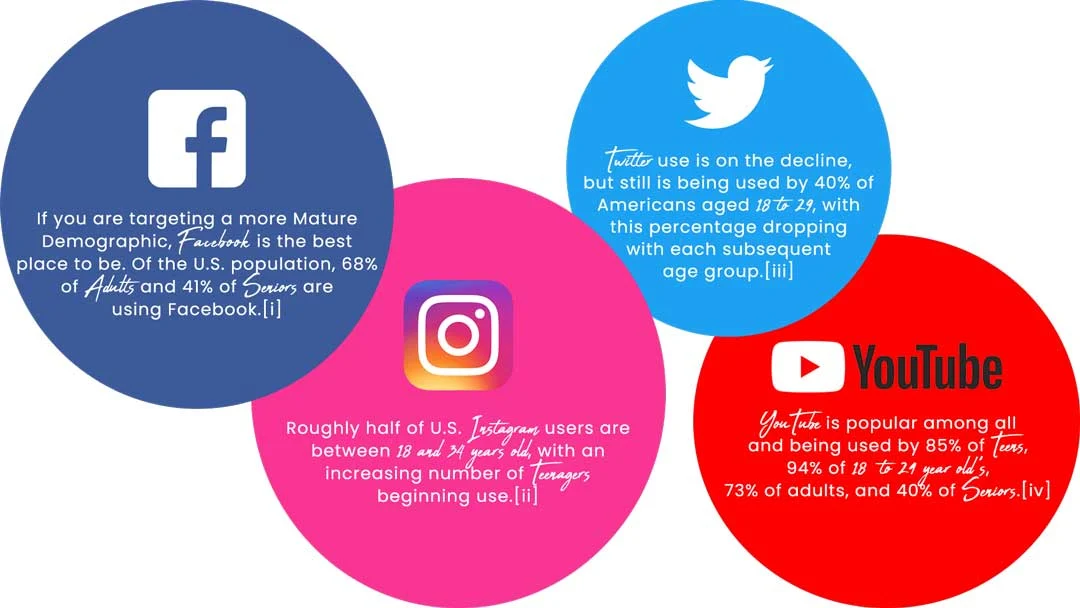
Platform choice is where most plumbing companies waste a year. The Pew Research Center's social media fact sheet, from a 2025 survey of 5,022 US adults, gives the only numbers that matter here: what share of American adults use each platform at all.
| Platform | US adults who use it | What a plumber uses it for |
|---|---|---|
| YouTube | 84% | How-to and diagnosis videos that also rank in search |
| 71% | Homeowner reach, local groups, reviews, paid ads by ZIP code | |
| 50% | Before-and-after photos of finished work | |
| 37% | Remodel and fixture inspiration, mostly indirect | |
| TikTok | 32% | Short repair clips, strongest with younger homeowners |
| 25% | Property managers, GCs, and commercial accounts |
For a residential plumber, that is a clear answer: Facebook plus one video platform. Everything else is optional. If you serve commercial clients, add LinkedIn and treat it as a sales tool rather than a broadcast channel. We compared the options for local service businesses in the best social platforms for Baton Rouge service businesses.
Step 3: Post work you actually did
The highest-performing plumbing content is not clever. It is a photo of the job with a sentence explaining what went wrong and what it took to fix it. That is content only you can make, and it does three things at once: it proves competence, it teaches the homeowner something, and it dates the post as real.
Rotate through four types so the feed does not turn into a sales channel:
- The job. Before, during, after. Cast iron replaced, slab leak located, tankless installed. Say the neighborhood if the customer is fine with it.
- The teaching post. Where the main shutoff usually sits in a 1970s Louisiana ranch house. What a running toilet costs per month. How to tell a water heater is about to go.
- The people. The tech who has been with you nine years, the new apprentice, the truck. Homeowners are letting a stranger into the house; a face lowers that barrier.
- The ask. Financing, a seasonal check, a review request. Keep this to roughly one post in five.

Humor works in this trade better than in most, and it costs nothing. It is also not a strategy on its own. If you are short on ideas, we listed a year of them in plumbing company content ideas, and most of those translate directly into a post.
Social media is not the emergency channel. Search takes the burst-pipe calls; social fills planned work such as water heaters, repipes, and commercial accounts.
Step 4: Set a schedule you can hold in a busy week
Consistency beats volume, and a plumbing company's calendar has weeks where nobody has time to write anything. Build the schedule for those weeks, not the quiet ones.
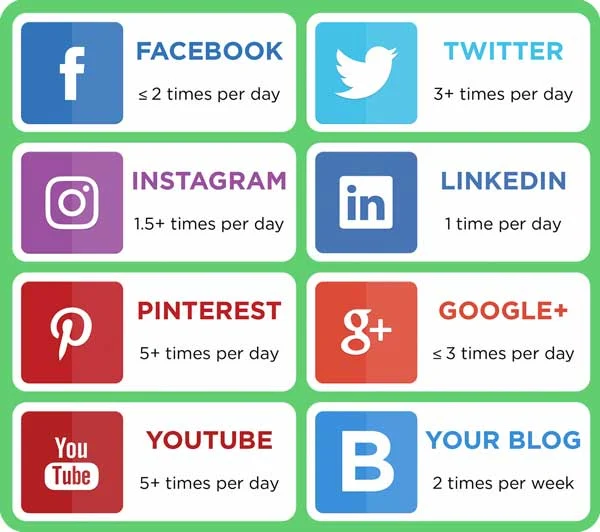
Two or three posts a week is a realistic floor for a residential plumber. The practical way to hold it is to separate capture from publishing. Techs take photos on every job into a shared album; one person spends forty minutes on a Monday turning the week's album into scheduled posts. Nobody has to be creative on a Thursday afternoon.
Seasonality gives you a free calendar in Louisiana. Hurricane season preparation, the January freeze that splits hose bibs, summer water heater failures, and holiday garbage disposal abuse are all predictable. Write those posts in advance.
Step 5: Put a small paid budget behind what works
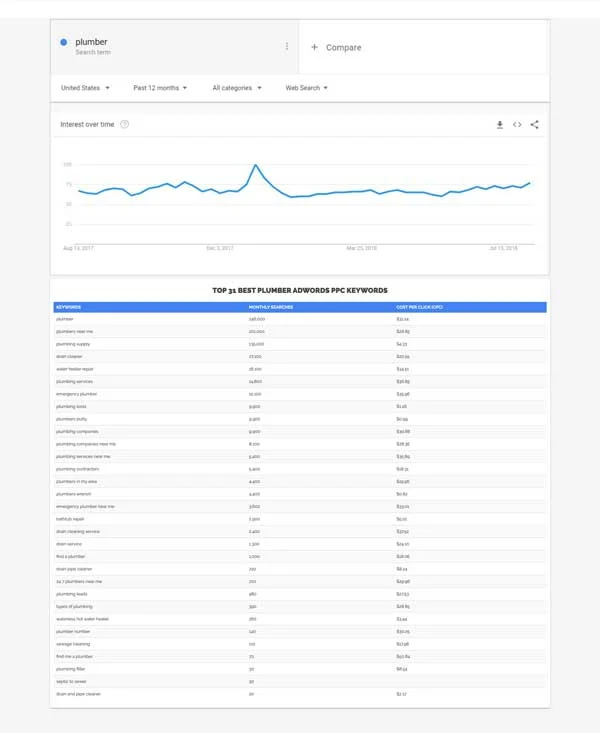
Organic reach on Facebook is a fraction of your follower count, and no amount of good posting fixes that. Paid distribution is how a local post reaches people who have never heard of you.
Start small and structured rather than boosting at random:
- Take the two or three posts that already got the most organic engagement. They are pre-tested.
- Target by ZIP code and drive time, not by a city radius that includes water you do not cross.
- Send the click to a page about that specific service, not the homepage.
- Run a fixed test budget for two weeks and measure calls and form fills, not likes.
Note the split in intent. Paid social interrupts someone who was not looking; paid search catches someone who is. For emergency work, search wins, which is why we usually put the first dollar into pay-per-click and use social for the planned jobs. Once the budget is running, judge it on booked work rather than the numbers we called out in the case against vanity metrics.
Step 6: Answer everything, and mean it
The word social is doing work in the phrase. A plumbing page that posts and never replies is a billboard, and homeowners read an unanswered comment as a preview of what calling you will be like.
Reviews are the same conversation in a different place, and they carry more weight. The BrightLocal Local Consumer Review Survey for 2026, based on 1,002 US adults, found 97% read reviews for local businesses, 47% will not use a business with fewer than 20 reviews, and 74% look for reviews written in the last three months. It also found 32% expect a reply to a review by the following day.
One person on your team should own messages, comments, and reviews with a same-day standard. That includes the bad ones, answered short and without argument. Handling that at volume is what our reputation management work covers.
“Clint at BlakSheep Creative is the real deal. He gets it—fast, smart, and no fluff. Took my vision and made it sharper than I thought possible. If you want someone who understands branding, design, and execution on a next-level scale, Clint’s your guy. 5 stars all day.”
How to tell it is working
Followers are not the scoreboard. Three numbers are, and all three come from outside the social platform.
Track calls and form fills that started on social, using a tracked number or a UTM link. Track how many callers say they have seen you before, which your dispatcher can ask in five seconds. Track the mix of your booked work: if planned jobs are growing as a share of revenue, the awareness half is doing its job even when direct attribution is murky.
Give it two quarters before you judge it. A trade with a long consideration window does not turn on in six weeks.
Where to start this week
Set up a shared photo album your techs can drop into, block forty minutes on Monday to schedule three posts, and assign one person to answer every message and review the same day. That is the whole system, and it costs nothing but attention. If you would rather hand the posting and the review chasing to someone else, that is what our social media marketing and plumbing marketing work is for.
About the author

Founder & Lead Developer · Denham Springs, LA
Clint has built and marketed websites for 26 years, since founding BlakSheep Creative in 2000. He is also a 29-year firefighter and a 23-year member of IAFF Local 557, which is where the bias toward plain answers over sales copy comes from.
- Veteran-owned
- Firefighter-owned
- IAFF Local 557
Common Questions About Social Media for Plumbers
Short answers to the questions that come up most on this topic.
Which social media platform is best for a plumbing company?
How often should a plumbing company post on social media?
What should plumbers post about on social media?
Do paid social ads work for plumbers?
How do I measure if plumbing social media is working?
Should plumbers reply to negative reviews and comments?

Your next step, without the guesswork
No surprises, clear next steps, and a fixed price before anything starts.