
By Clint Sanchez · Published · Updated · 7 min read
Quick answer
Small business SEO is the work of getting a website to show up in the free, organic search results when local customers search for what the business sells. It rests on five parts: keywords matched to search intent, helpful content, on-page signals like titles and headings, technical health and speed, and links from reputable sites. For a local business, a complete Google Business Profile and steady reviews are often the biggest lever.
Key takeaways
- SEO earns traffic from the organic results without paying per click, which is why a ranking keeps working long after the work is done.
- The five core parts of small business SEO are keywords and intent, quality content, on-page SEO, technical health and speed, and links and authority.
- A complete, well-managed Google Business Profile feeds the map pack at the top of local results and is often a small business's most powerful lever.
- Quality beats quantity for both content and links: one link from a respected local news site is worth more than dozens from irrelevant directories.
- Most small businesses see movement in three to six months, with the strongest results building through the first year.
- Common mistakes include an unclaimed Business Profile, thin salesy pages, cheap links, a slow mobile site, and quitting too early.
- Google's AI Overviews and assistants like ChatGPT now answer questions directly, so being the clearest, most trustworthy source matters as much as ranking.
A search for a plumber or roofer in the Baton Rouge metro usually happens on a phone, often after a storm or a burst pipe, and the caller picks from the map pack without scrolling. That is why a Denham Springs or Prairieville business with a complete Google Business Profile and thirty real reviews can outrank a bigger Baton Rouge competitor with a prettier website and no local signals.

Want this handled instead of DIY?
A 15-minute call, no script, no pressure. You leave with a plan either way.
Small business SEO is the work of getting your website to show up in the free, organic results when local customers search for what you sell. It combines the right keywords, helpful content, a fast and technically sound website, a strong Google Business Profile, and links from reputable sites. Done well, it brings a steady stream of ready-to-buy traffic without paying for every click.
TLDR:
- SEO = organic visibility. Free search traffic, not paid ads.
- Five parts: keywords, content, on-page, technical health, and links.
- Local SEO is the biggest lever for a small business: your Google Business Profile and reviews often matter more than anything else.
- Quality beats quantity on both content and links, every time.
- It compounds. Expect 3 to 6 months for traction, then results build on themselves.
- Search is shifting to AI answers, so being the clearest, most trustworthy source now matters as much as ranking.
If you run a small business in Baton Rouge, Denham Springs, or anywhere along the I-12 corridor, your next customer is almost certainly searching Google before they call anyone. As Baton Rouge’s top-rated small business SEO agency, our goal here is simple: explain how search engine optimization actually works, in plain language, so you can decide what to do about it.
What is search engine optimization?
SEO stands for search engine optimization. It is the process of earning traffic from the free, organic, natural results on search engines instead of paying for it.
Search engines like Google and Bing rank pages, videos, and local listings by how relevant and trustworthy they are for a given search. No payment is involved, unlike paid search ads. That is the appeal for a small business: once you earn a spot, it keeps working without a per-click cost.
Once the basics make sense, the next step is usually help. Our Baton Rouge SEO services pick up from here.
Want this handled for you? We build and market websites for Louisiana businesses, and we will tell you honestly if you do not need us.
Why small business SEO matters more than ever
Almost every buying decision now starts with a search. When someone needs a plumber, a dentist, or a roofer, they type it into Google and click one of the first few results. The first organic result earns far more clicks than anything below it, and most people never reach page two.
For local businesses the stakes are even higher, because a large share of searches carry local intent and often lead to a call or a visit the same day. If you are not showing up when someone nearby is ready to buy, that customer goes to a competitor who is.
The five core parts of small business SEO
Exactly how search engines rank pages is a closely guarded secret, but the main principles are well understood. They come down to five parts that work together.
1. Keywords and search intent
Your pages rank better when they use the words your customers actually search, especially in the page title and headings. More important than the exact words is the intent behind them: someone searching “emergency plumber Baton Rouge” wants a fast call, while “how to fix a leaky faucet” wants a guide. Match the page to what the searcher is really trying to do.
2. Quality content
Content is what separates you from your competition. Our small business SEO team focuses on genuinely helpful pages first. Some so-called experts try to trick search engines by stuffing keywords, but Google rewards pages that answer the question completely and read like a human wrote them. Quality over quantity is the rule, always.
3. On-page SEO
On-page SEO is everything you control on the page itself: a clear title tag and meta description, a single descriptive H1, logical headings, internal links to related pages, descriptive image alt text, and clean, readable URLs. These signals help both people and search engines understand what the page is about.
4. Technical health and speed
A page that loads slowly or breaks on a phone will not rank, no matter how good the content is. Technical SEO covers site speed, mobile friendliness, secure HTTPS, a crawlable structure, and a clean XML sitemap. Google measures real-world loading experience, so a fast, stable site is a ranking advantage that many small businesses overlook.
5. Links and authority
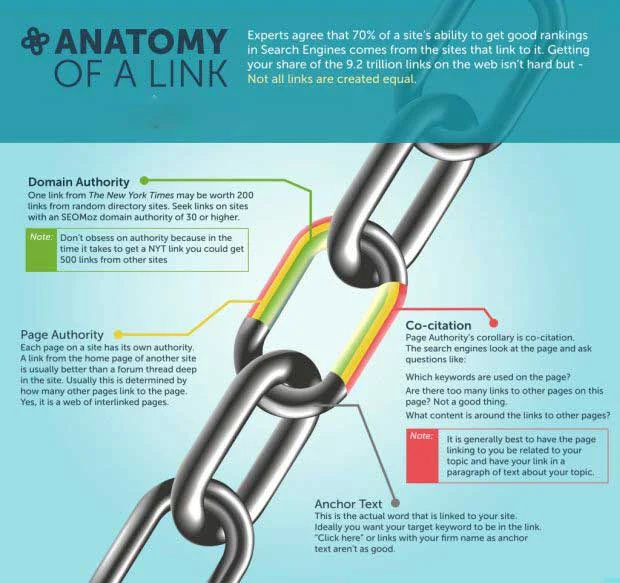
When a reputable website links to yours, it tells search engines that others trust your content. But quality beats quantity here too: a single link from a respected local news site or industry directory is worth more than dozens from irrelevant, low-quality sites. Earn links by being genuinely useful and by claiming legitimate local and industry listings.
Local SEO: your biggest advantage as a small business
If you serve customers in a specific area, local SEO is where you win. A well-optimized Google Business Profile is often the single most powerful lever a small business has, because it feeds the map pack that sits at the very top of local results.
Focus on four things: keep your name, address, and phone number identical everywhere online; fill out your Business Profile completely with photos and services; earn steady, genuine reviews and respond to them; and build a few local pages that speak to the towns you serve. Consistent, real signals tell Google you are an established, trusted local option.
SEO earns traffic from the organic results without paying per click, which is why a ranking keeps working long after the work is done.
How long does small business SEO take to work?
SEO is a compounding investment, not an on-off switch. Most small businesses start to see movement in three to six months, with the strongest results building through the first year as content, links, and trust accumulate. Anyone promising an overnight number-one ranking is selling something that will not last. The upside is durability: unlike an ad that stops the moment you stop paying, organic rankings keep sending traffic long after the work is done.
Common small business SEO mistakes to avoid
- Ignoring the Google Business Profile. For a local business, an incomplete or unclaimed profile leaves your best asset on the table.
- Thin, salesy pages. A page that only pitches, without answering the customer’s question, rarely ranks.
- Chasing cheap links. Spammy links can hurt you. A few relevant, trusted ones win.
- A slow or non-mobile site. Most local searches happen on a phone, so speed and mobile design are non-negotiable. See our three SEO mistakes that hurt rankings.
- Quitting too early. SEO rewards consistency. The businesses that keep publishing and improving pull ahead.
Should you do SEO yourself or hire an agency?
The basics in this guide are learnable, and a hands-on owner can absolutely claim a Business Profile, write helpful pages, and clean up obvious technical issues. What an owner usually lacks is time and the experience to prioritize. A good agency knows which few moves will move the needle first, which is why most small businesses eventually bring in help.
When we take on a small business SEO strategy, we develop a custom plan, identify the right keywords, write clean site code, choose smart linking tactics, and, most importantly, help you publish high-quality content that serves your visitors and search engines alike.
“Blaksheep picked up an unfinished project for us mid-stream and was able to turn it around and see to completion. They made multiple design changes and gave us a great end result.”

Search is changing: AI answers and AEO
Traditional signals like keywords and links are still the foundation, but search is evolving. Google’s AI Overviews and assistants like ChatGPT now answer questions directly, often without a click. Winning that space means being the clearest, most trustworthy source on a topic, which is the idea behind answer engine optimization. See the shift from traditional SEO to AEO, and how Google’s E-E-E-A-T signals decide who gets cited.
Common Questions About Small Business SEO
These are the questions Baton Rouge business owners ask us most before they invest in search.
How much does small business SEO cost?
It varies with your market and goals, but SEO is generally far cheaper per customer than paid ads over time because the traffic keeps coming after the work is done. Many small businesses start with a focused local package and expand as results show up. Ask any provider exactly what is included each month.
Is SEO worth it for a very small business?
Yes, often more so, because local SEO lets a small team outrank bigger competitors in their own town. A complete Google Business Profile, real reviews, and a handful of strong local pages can put you in the map pack without a large budget.
What is the difference between SEO and paid ads?
Paid ads buy instant visibility that disappears the moment you stop paying. SEO earns visibility that builds over months and keeps working afterward. Many businesses run ads for quick wins while SEO compounds in the background.
Do I need to blog to rank?
You do not need a blog for its own sake, but you do need pages that answer your customers’ questions. Helpful articles are one of the most reliable ways to earn rankings, links, and trust, and they give AI answer engines something worth citing.
Can I do small business SEO myself?
You can handle the basics: claim your Google Business Profile, keep your contact details consistent, write clear pages, and make sure your site is fast on mobile. Most owners bring in help once they want to compete for tougher keywords or simply run out of time.
How do I measure SEO results?
Watch organic traffic, keyword rankings, Google Business Profile calls and direction requests, and, most importantly, leads and sales. Google Search Console and Google Analytics are free and show exactly which searches bring you visitors.
Wondering if your SEO is actually getting traction, or where to focus next? Let us help you get a competitive edge and rank higher in search. We will diagnose where you stand in a 15-minute Discovery Call.
About the author

Founder & Lead Developer · Denham Springs, LA
Clint has built and marketed websites for 26 years, since founding BlakSheep Creative in 2000. He is also a 29-year firefighter and a 23-year member of IAFF Local 557, which is where the bias toward plain answers over sales copy comes from.
- Veteran-owned
- Firefighter-owned
- IAFF Local 557
More Questions About Small Business SEO
Short answers to the questions that come up most on this topic.
What is local SEO?
What is a Google Business Profile and why does it matter?
What does on-page SEO include?
Why do links matter for a small business website?
What is answer engine optimization?
What is the biggest small business SEO mistake?

Your next step, without the guesswork
No surprises, clear next steps, and a fixed price before anything starts.