
By Clint Sanchez · Published · Updated · 11 min read
Quick answer
A generic cleaning template looks cheaper but usually costs a trash can cleaning business leads: bloated scripts slow the page on mobile, broad house-cleaning copy weakens relevance, the quote path gets buried, service areas are an afterthought, and reviews and proof stay thin. A custom trash can cleaning website is built around service areas, recurring plans, a fast quote path, and the local proof buyers check before they contact you.
Key takeaways
- Google reported that 53 percent of mobile visits are abandoned when a page takes longer than three seconds to load.
- BrightLocal found a business's own website is one of the top trusted platforms for researching local businesses, and 62 percent of consumers would avoid a business with incorrect information online.
- Stanford's Web Credibility Project ties trust to professional presentation, clear company information, and easy verification.
- Generic templates are written for house cleaning or janitorial work, so the copy could describe ten service categories and builds no topical relevance.
- Templates built around design blocks instead of conversion logic bury the quote button under sliders and clutter.
- A template is fine as a temporary placeholder while validating the business; it stops being fine once you want rankings, recurring-plan clarity, and more quote requests.
- The real cost of a weak site is months of lost quotes and a redesign later, not the setup price.
A template's service-area field cannot say that you run Denham Springs and Walker on Tuesdays and Prairieville on Thursdays, and it will not explain why a Livingston Parish homeowner pays for monthly cleaning when summer heat turns a can foul in days. Buyers here check the website to confirm you are real and local before they call, and a swapped-logo template fails that check.

Want this handled instead of DIY?
A 15-minute call, no script, no pressure. You leave with a plan either way.
The Wrong Website Template Can Quietly Cost You Leads
A generic cleaning template may seem like the cheaper option, but it often results in more lost quote requests, reduced local visibility, slower mobile performance, and lower trust. A strong trash can cleaning website design is built around service areas, recurring plans, fast quote paths, and the proof local buyers look for before they contact you.
TLDR;
- Generic cleaning templates often miss what trash can cleaning businesses need to rank and convert.
- Slow mobile performance can cost leads before a visitor reads the page.
- Your website is one of the main places people use to verify a local business.
- Weak service area structure can limit local search visibility.
- Poor quote flow and weak trust signals can reduce form submissions.
- A custom site can better support recurring plans, reviews, and route-based service logic.
- The right build supports growth better than a generic cleaning template.
Trash can cleaning companies do not compete in a vacuum. They compete in local search, on mobile phones, and in neighborhoods where homeowners make quick decisions based on trust, clarity, and convenience. A generic site can make your business look replaceable quickly, especially in an industry where local proof and clean service-area targeting matter.
Template versus custom is a build decision. What fills the route after launch is trash can bin marketing, covering local SEO, paid campaigns, and subscription retention.
Why Trash Can Cleaning Website Design Needs More Than a Generic Template
Most generic cleaning templates are built for broad service categories. Trash can cleaning is more specific than that, and the site has to reflect how this business actually gets found and wins work.
A trash-can cleaning company does not sell the same way a house-cleaning company does. The search behavior is different. The recurring service model is different. The trust concerns are different. The local targeting strategy is different. A homeowner looking for bin cleaning wants to know where you work, how easy it is to get a quote, what the service includes, and if your company looks dependable enough to be trusted near their property.
That is why a real trash can cleaning website design should be built around service-area clarity, recurring-plan explanation, strong mobile usability, visible reviews, and a simple quote path. A generic cleaning template may look acceptable for a minute, but once you ask it to support local SEO and lead generation, the cracks usually show.
That mismatch becomes clearer when you look at where generic templates usually break down. In our review of 13 real trash bin cleaning websites, three operators shared one vendor template, down to the same opening line.
Where Generic Cleaning Templates Usually Fail
A generic template can look polished enough at first glance. The problem is what happens after a real local visitor lands on the page and tries to decide if they trust you.
Generic templates often lack the flexibility to handle complex route-based pricing. If you’re struggling to fit your service cycles into a standard template, check out our guide to explaining and structuring recurring bin-cleaning plans correctly. How to Explain Recurring Plans
They Slow Down Mobile Visitors
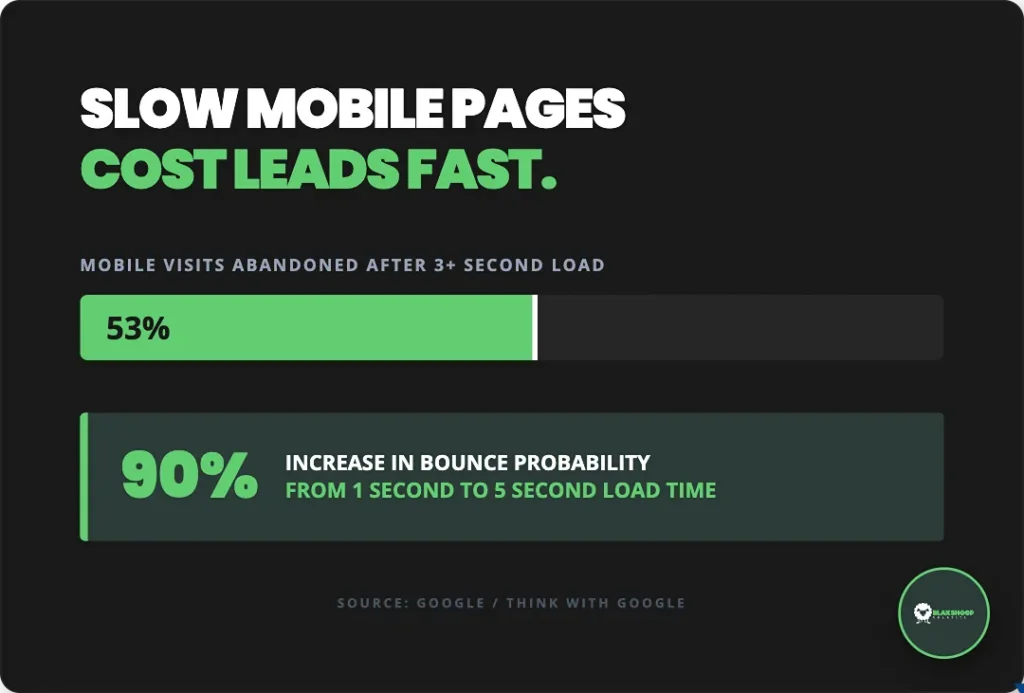
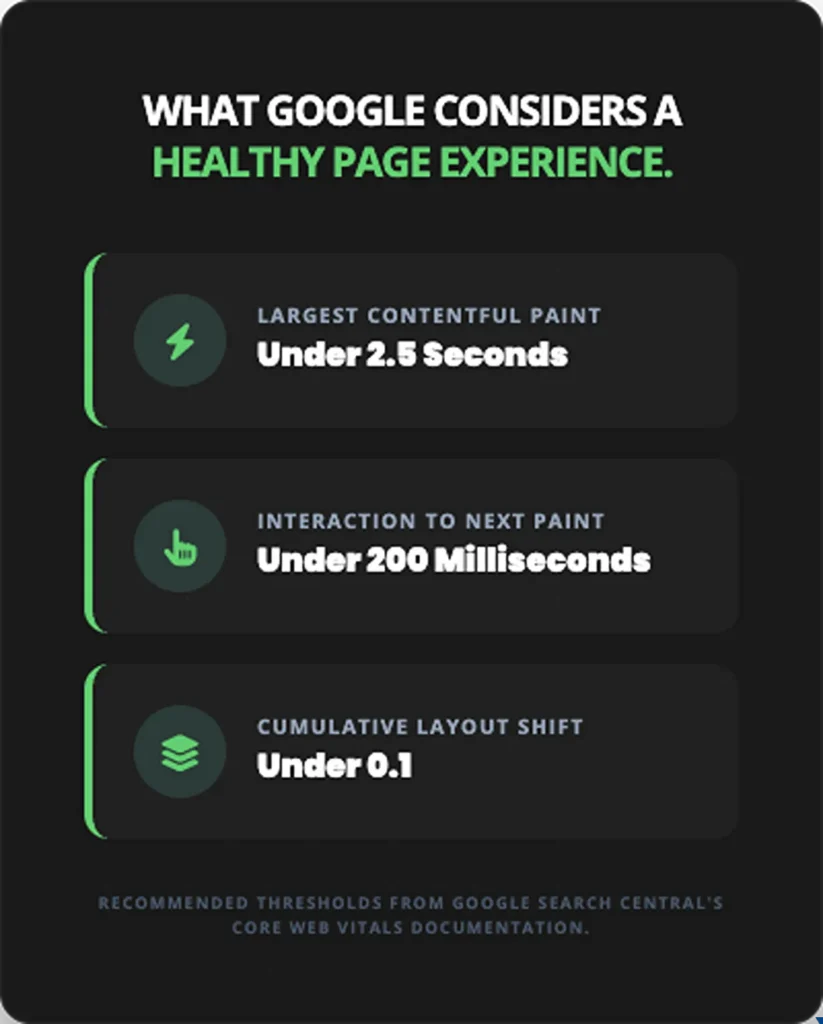
Most local service searches happen on mobile devices, not on some perfect desktop setup from a design award blog. Google has reported that 53 percent of mobile visits are abandoned if a page takes longer than 3 seconds to load. Google also uses Core Web Vitals as part of its broader page experience signals, which means speed problems are not just annoying. They can affect search performance and lead flow at the same time. Think with Google has shared the abandonment data here, and Google Search Central explains Core Web Vitals here.
Generic templates often include bloated scripts, animations, sliders, and page-builder clutter that do nothing for a trash-can cleaning business. They add weight without adding trust. If a homeowner taps your result while standing outside or checking service options on a phone, a slow page can cost the lead before your offer even loads.
They Use Broad Cleaning Copy That Does Not Match the Service
Many generic cleaning templates are written for house cleaning, janitorial work, or broad home services. That creates a relevance problem. Trash can cleaning is a more specific service with its own buyer questions, service patterns, and search terms. If your page reads as if it could belong to ten different service categories, it gets harder to build clear topical relevance.
Your site should explain what the service is, how scheduling works, how recurring plans are handled, where you work, and why someone should trust your process. A generic template tends to flatten all of that into vague service language that says almost nothing.
They Hide the Quote Path
Many templates are built around design blocks rather than conversion logic. That means weak calls to action, forms placed too low on the page, clutter around the quote button, or too many distractions before the visitor can act.
Trash-can cleaning businesses need a site structure that makes actions simple. Visitors should be able to request a quote, call, or check service area coverage fast. If the path is muddy, people leave. They do not write you a thoughtful note explaining why the layout failed them. They just disappear, which is apparently still the dominant style of digital communication.
They Flatten Service Area Targeting
Local search performance depends on more than sticking a city name in a paragraph and hoping Google is feeling generous. A strong local structure needs real service pages, city support where appropriate, clean internal linking, and copy that actually reflects where and how you work. Use our guide to trash can cleaning service area pages to avoid thin city copy and build location pages around real service details.
If service area visibility is the real problem, use our guide to local SEO for trash can cleaning companies to plan city pages, Google Business Profile signals, reviews, and route based content around the markets you actually serve.
Generic templates usually treat service areas as an afterthought. That makes it harder to support rankings in local cities, especially if the business wants to grow into more neighborhoods or surrounding communities over time.
They Leave Trust Signals Too Thin
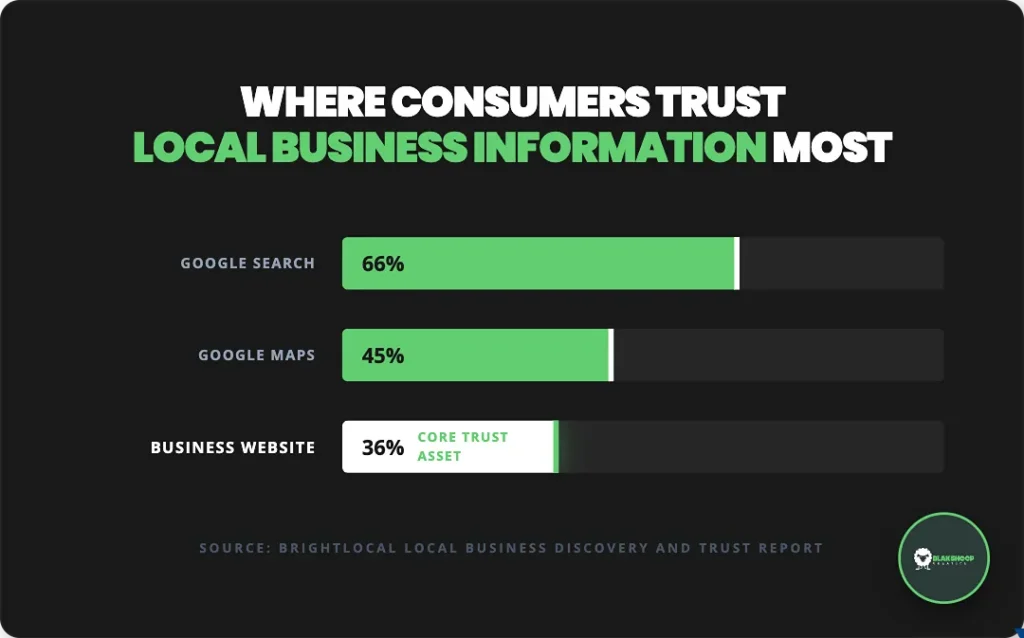
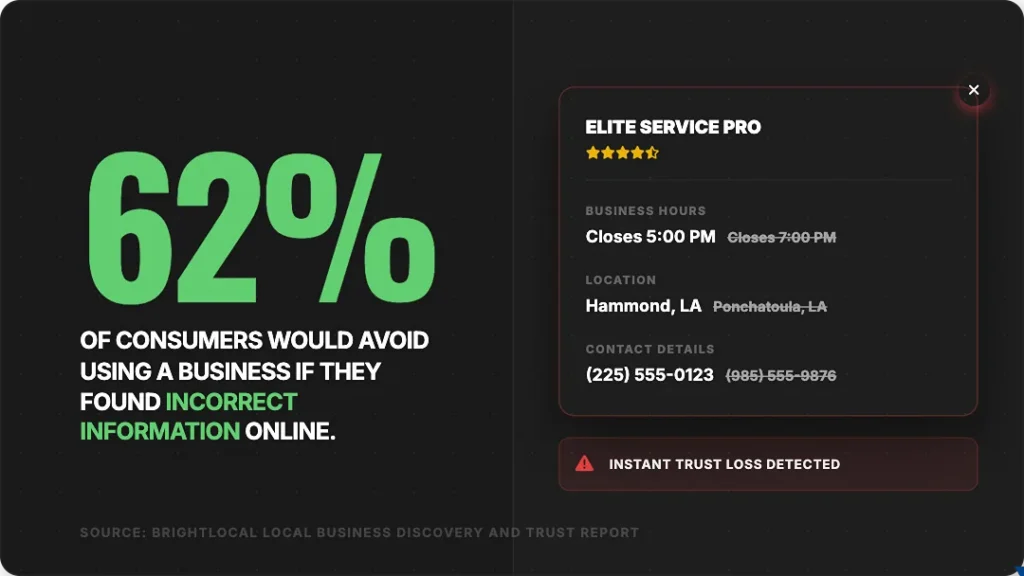
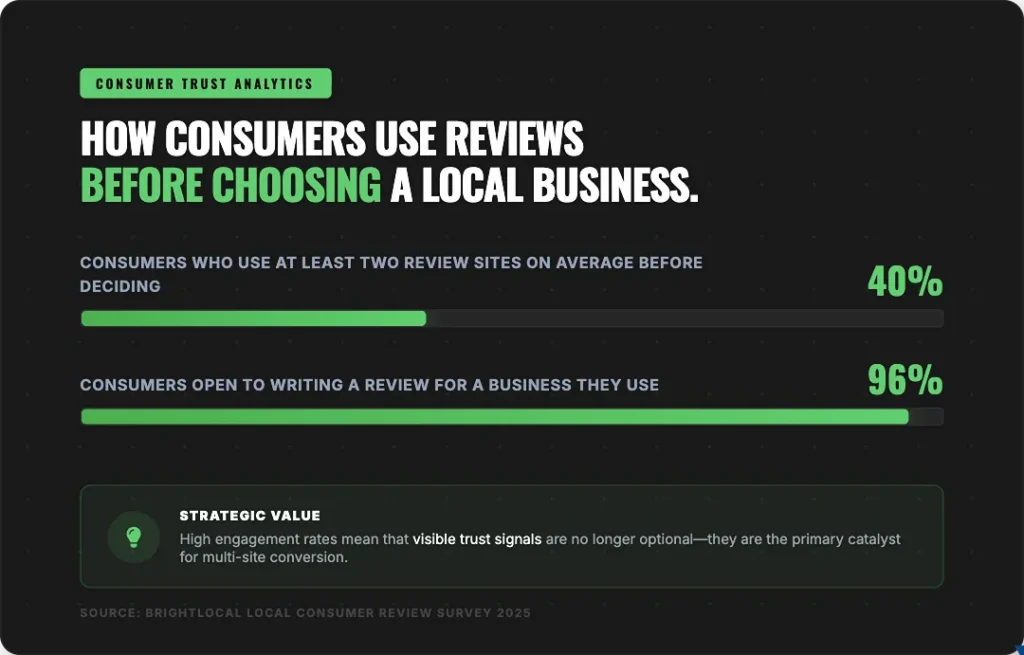
BrightLocal found that a business’s own website is one of the top trusted platforms consumers use to research local businesses, and 62 percent of consumers said they would avoid a business if they found incorrect information online. BrightLocal has also reported that many consumers check multiple review sources before deciding who to use. Their trust report is here, and their review survey is here.
Stanford’s Web Credibility Project has long pointed to the same basic reality. Professional presentation, clear company information, and easy verification all affect trust. Their credibility guidelines are here. That matters because a generic template often buries reviews, skimps on service detail, and does little to prove that your business is specific, local, and real.
| Generic Template Problem | How It Hurts Leads |
| Slow load time | Mobile visitors leave before acting |
| Broad service copy | Weak relevance for your niche |
| Weak CTA placement | Fewer quote requests |
| Thin local structure | Poorer city-level visibility |
| Buried proof elements | Lower trust and more hesitation |
The point is not that templates are always unusable. In this niche, their weak points tend to hit the exact places where leads are won or lost.
Once you understand where templates fail, the value of a custom build becomes easier to measure.
What a Custom Trash Can Cleaning Website Design Does Better
A custom site is not automatically better because it costs more. It is better when it is built around the way your business actually operates, gets found, and converts visitors into quote requests.
A stronger build gives you more control over messaging, page structure, and user flow. It lets you explain the service clearly, support service-area targeting, and show recurring plan options without forcing your content into a generic cleaning layout that was never designed for your business model.
It also gives you room to place reviews, trust cues, before-and-after visuals, and quote actions where they support conversion, rather than getting lost in filler sections. That matters for local service companies that need the website to do real work, not just sit there looking respectable.
A custom site can also support the systems behind your lead flow. If you use forms, call tracking, CRM workflows, or follow-up automation, the website should connect cleanly to those tools. That is hard to do well when the site starts with a generic template and then gets patched over time.
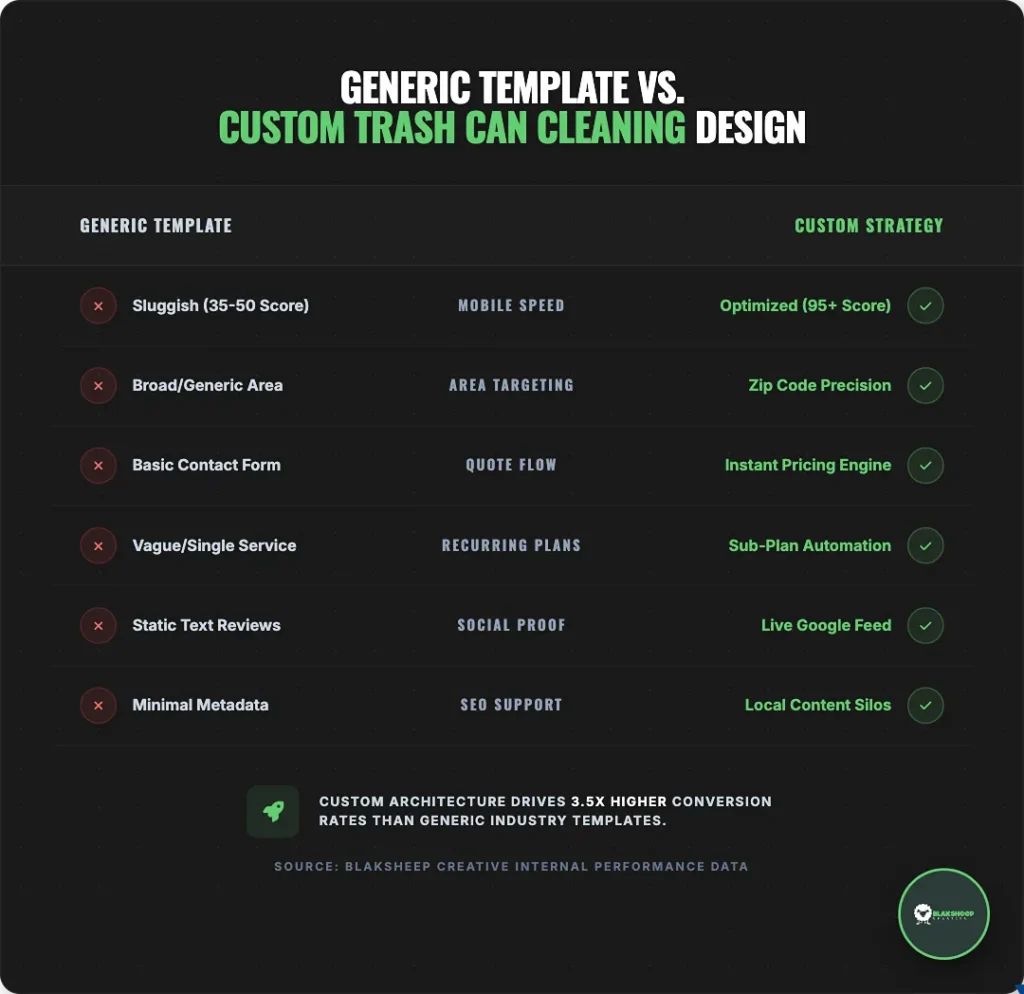
If that is the direction you need, review our approach to custom websites for trash-can cleaning businesses and compare it with what your current site is really doing for you.
The value of that structure becomes clear when you look at what the wrong site choice costs over time.
Google reported that 53 percent of mobile visits are abandoned when a page takes longer than three seconds to load.
The Real Cost of Choosing the Wrong Website Template
Most owners think about website cost in terms of setup price. That is only part of it. The higher cost is incurred when the site underperforms for months.
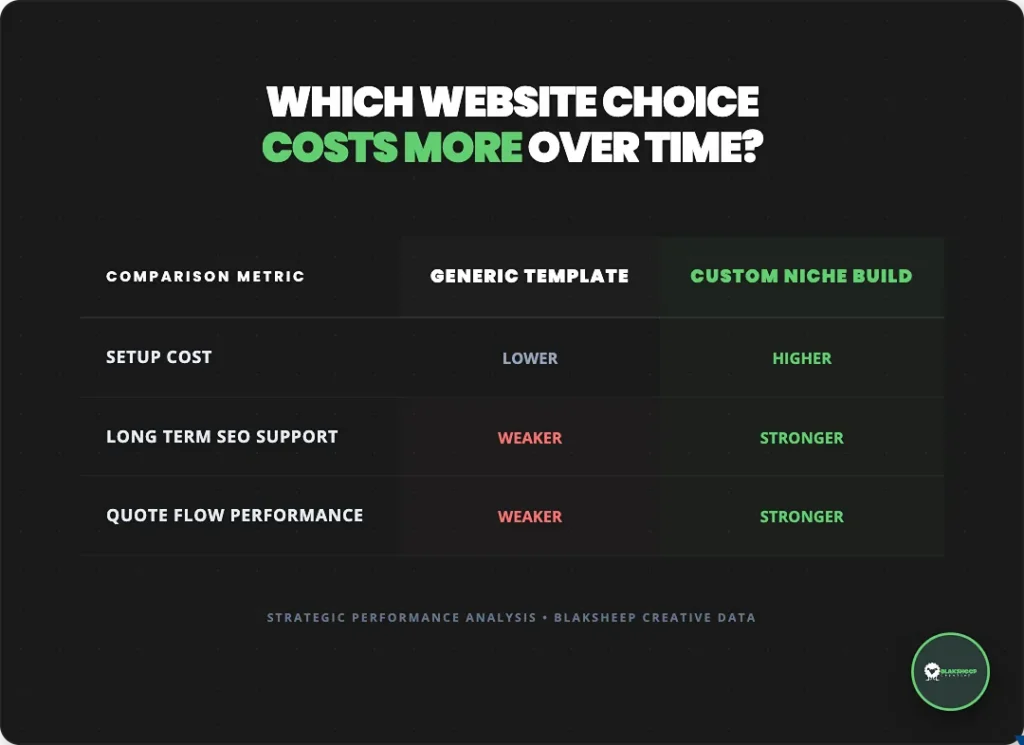
A weak site can quietly drain opportunity. You get fewer quote requests. Your paid traffic converts worse. Your city targeting stays weak. Your service appears less credible than it should be. Then, months later, you end up paying again to fix what should have been structured properly from the start.
That is why the template decision should be judged by lead quality and long-term fit, not just the lowest number on a proposal.
| Website Choice | Short Term Cost | Long Term Risk |
| Generic template | Lower | More lost leads, weaker SEO support, redesign later |
| Custom niche build | Higher | Better fit, stronger quote flow, better long-term support |
That is why the cheaper option can turn into the more expensive one once you measure actual lead flow.
If you are not sure which side your current website falls on, a simple review can make the answer obvious.
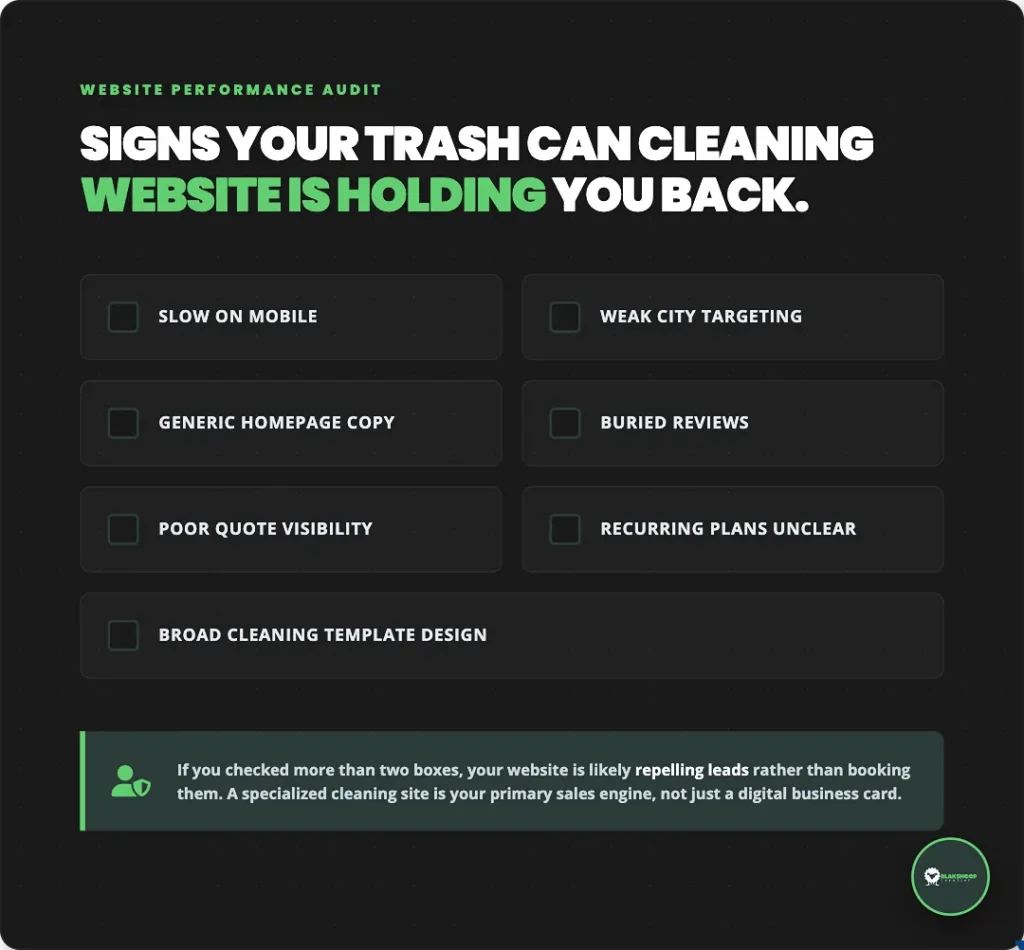
How to Tell if Your Current Website Is Holding You Back
You do not need a full audit to spot basic website problems. A few simple checks can tell you if your current build is helping or quietly dragging down results.
- The site feels slow on mobile.
- City or service area coverage is vague.
- Quote buttons are weak or hard to find.
- The homepage feels generic.
- Recurring plans are unclear.
- Reviews are buried or missing.
- The design looks like broad cleaning copy with your logo swapped in.
If you need a baseline for comparison, review what your trash can cleaning website should include. That post covers the core elements a stronger site should have. This article is the follow-up question most owners reach next: Is your current site actually built in a way that supports those elements, or is it just wearing them loosely?
That also helps frame the difference between when a template is good enough and when it is clearly not.
When a Template Might Be Fine, and When It Is Not
There are cases where a template is fine. This does not need to turn into a religious war between design approaches. You just need to be honest about the business’s stage and what the site is expected to do.
A template may be fine if you are validating the business, need a temporary placeholder, or simply need something live while you test the market. If SEO is not a priority yet and you are not trying to expand into more service areas, a lightweight temporary solution can make sense.
A custom build makes more sense when you want more quote requests, stronger local visibility, cleaner service-area support, clearer recurring-plan presentation, and a site that can grow with your business rather than being rebuilt every time your needs change.
For owners trying to grow, that usually leads to one practical conclusion.
“Great designs, excellent service. I was very difficult to make a logo for and he still worked with me. Would definitely recommend!”
Final Take: The Cheaper Website Option Can Be the Expensive One
A website should help your business get found, build trust, and turn visits into quote requests. When a generic template gets in the way of that, it stops being a bargain.
Trash can cleaning businesses need more than a broad cleaning layout with swapped colors and recycled service copy. They need a site that reflects how the business actually works, how local customers search, and what buyers need to see before they contact you. That is what gives your website a better chance of supporting SEO, driving stronger conversions, and driving recurring growth over time.
Common Questions About Trash Can Cleaning Website Design
Choosing between a generic template and a custom site usually raises the same practical questions about cost, timing, SEO, and what actually helps lead flow. These answers keep it simple and focused on what matters.
Is a generic cleaning template ever good enough for a trash can cleaning business?
It can be good enough if you just need a temporary website while validating the business. It becomes a problem when you need stronger local rankings, recurring plan clarity, better quote flow, and a site structure that reflects what your company actually does.
Why does mobile speed matter so much for a trash can cleaning website?
Many local service searches occur on mobile devices, and slow pages lose attention quickly. Bloated templates can cost quote requests before a visitor even reaches your offer, especially if the site loads slowly or feels clumsy on a smaller screen.
What makes a custom website better for local SEO?
A custom site gives you more control over service area structure, city targeting, internal linking, page speed, and service-specific content. That makes it easier to support rankings for the areas you actually serve, rather than relying on broad, generic cleaning language.
Can a generic template hurt trust even if it looks decent?
Yes. Buyers use your website to verify who you are, what you do, and if your business feels credible. Weak service details, vague copy, buried reviews, and inaccurate information can all make people hesitate or leave.
What should a trash can cleaning website focus on first?
It should clearly explain the service, show where you work, make the quote process obvious, and display trust signals such as reviews or proof of work. After that, speed, internal linking, and service page structure become important for longer-term SEO support.
How long does it take to build a stronger custom site?
That depends on content readiness, the number of service areas, and the amount of available proof content. A simple niche site can move faster than a multi-area growth build, but the right structure up front usually saves time compared to patching a weak template later.
About the Author: This guide was produced by the senior strategy team at BlakSheep Creative in Denham Springs, Louisiana. We build conversion-focused websites and SEO systems for service businesses that need clearer structure, stronger local visibility, and better lead flow.

We build this for trash can cleaning companies.
Fixed quote before we start, and you talk to the people who do the work.
About the author

Founder & Lead Developer · Denham Springs, LA
Clint has built and marketed websites for 26 years, since founding BlakSheep Creative in 2000. He is also a 29-year firefighter and a 23-year member of IAFF Local 557, which is where the bias toward plain answers over sales copy comes from.
- Veteran-owned
- Firefighter-owned
- IAFF Local 557
More Questions About Trash Can Cleaning Website Design
Short answers to the questions that come up most on this topic.
What are the signs a template is holding a trash can cleaning site back?
How do generic templates slow down mobile visitors?
Why does broad cleaning copy hurt local SEO?
Should a trash can cleaning website connect to a CRM or call tracking?
How do buried reviews affect quote requests?
What does a custom build do for recurring plans and routes?

Your next step, without the guesswork
No surprises, clear next steps, and a fixed price before anything starts.