
By Clint Sanchez · Published · Updated · 4 min read
Quick answer
Success in the design industry takes five skills beyond an eye for aesthetics: creativity, which can be trained with brainstorming, mind mapping, and the SCAMPER technique; communication, explaining design decisions clearly and taking feedback well; critical thinking, analyzing a problem from several angles before choosing a solution; time management, using methods like the Pomodoro Technique to hit deadlines; and organizational skills, keeping files, deadlines, and client information in order.
Key takeaways
- An eye for aesthetics is not enough; designers also need creativity, communication, critical thinking, time management, and organization.
- According to The Creativity Post, creating new paths means first venturing outside the ones already traveled.
- SCAMPER stands for Substitute, Combine, Adapt, Modify, Put to another use, Eliminate, and Reverse, and it forces new uses for a familiar idea.
- Design is collaborative, so explaining choices clearly and taking criticism constructively is part of the job.
- Critical thinking means finding the root cause, generating several solutions, and judging each on feasibility and effectiveness.
- The Pomodoro Technique works in 25-minute bursts with 5-minute breaks and suits designers on tight deadlines.
- A consistent folder structure or a tool like Trello or Asana keeps client information, files, and deadlines from getting lost.
A common myth circulating in the professional world is that a great design is all about having an “eye for aesthetics.” This couldn’t be further from the truth. While a certain level of creativity and artistic talent is undoubtedly important, many other essential skills are required to excel in the design industry.
Below are five skills you need to succeed in the design industry, along with advice from a design professional on how to develop them.
1. Creativity
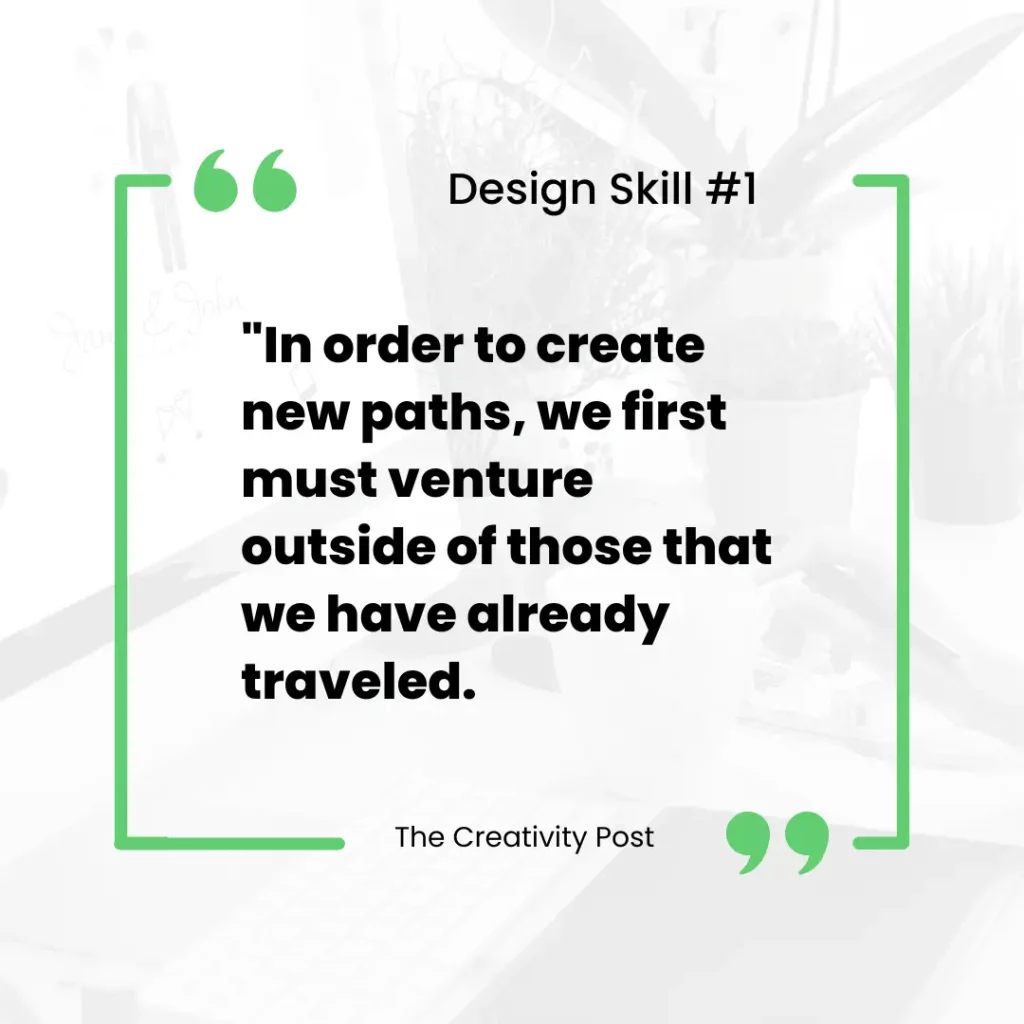
Of course, creativity is essential for any designer. But what exactly does it mean to be creative? According to The Creativity Post, “In order to create new paths, we first must venture outside of those that we have already traveled.
Want this handled for you? We build and market websites for Louisiana businesses, and we will tell you honestly if you do not need us.
Designers are constantly presented with challenges requiring them to think outside the box and develop innovative solutions. To be successful, you need to be able to tap into your creativity, if coming up with a unique concept for a project or finding a new way to solve a problem.
If you’re struggling to tap into your creativity, there are a few exercises you can try:
One is brainstorming: coming up with as many ideas as possible, without judgment, for a specific project or task.
Another is mind mapping: visually organizing your thoughts on paper by connecting related ideas.
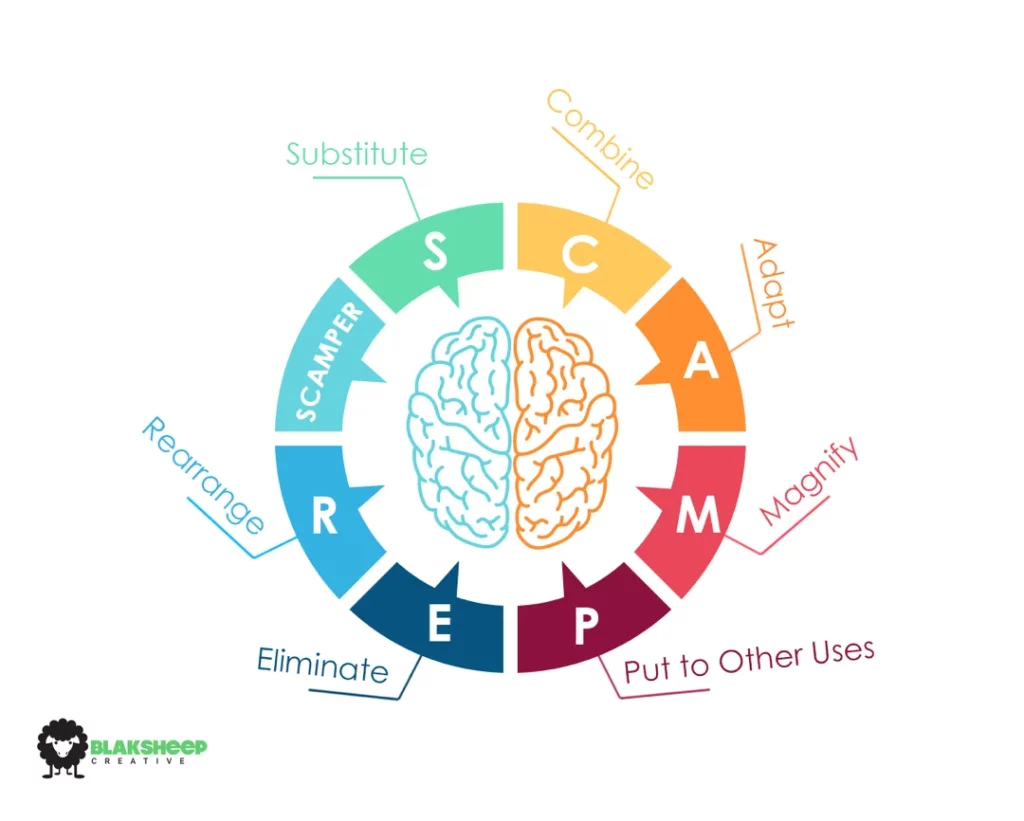
You can also try the SCAMPER technique, which stands for Substitute, Combine, Adapt, Modify, Put to another use, Eliminate, and Reverse. This technique can help you take a familiar object or concept and find new ways to use it.
2. Communication
As a designer, you need to be able to communicate your ideas clearly, both in writing and verbally. This involves being able to explain your design choices and decisions to clients, team members, and other stakeholders.
It’s also essential to be able to listen to feedback and criticism constructively. After all, the design process is often collaborative, and being open to feedback will help you create the best possible product.
3. Critical Thinking
Critical thinking is thinking objectively and rationally about a problem or situation. This skill is essential for designers as it allows them to analyze a design challenge and develop the best possible solution.
To develop your critical thinking skills, learn to take a step back and look at a problem from different angles. Try to identify the root cause of the problem and come up with multiple possible solutions. Then, evaluate each solution based on its feasibility, effectiveness, and other factors.
4. Time Management
As a designer, you’ll often be working on tight deadlines. This means you must manage your time effectively and efficiently to meet the deadlines.
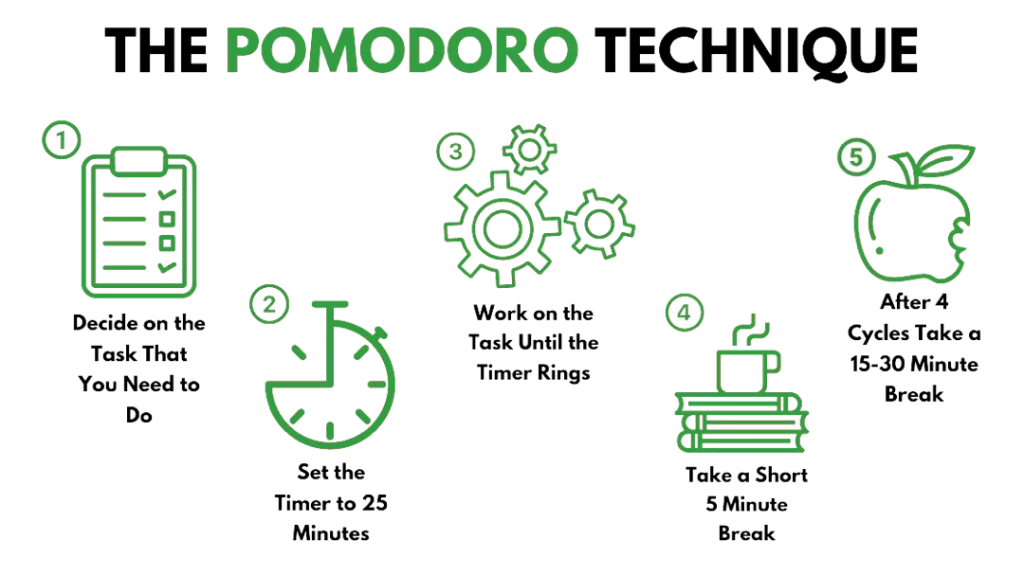
You can try a few time management techniques, such as the Pomodoro Technique, which involves working in short bursts of 25 minutes followed by 5-minute breaks. You can also create a to-do list for each day and prioritize your tasks based on their importance.
5. Organizational Skills
Organizational skills are essential for any designer, as they allow you to keep track of all the different elements of a project. This includes everything from client information and deadlines to design files and progress reports.
There are a few ways you can organize your work. One is to create a folder structure on your computer where you store all the files related to a project. Another is to use a project management tool, such as Trello or Asana, to keep track of your tasks and progress.
These five skills will come in handy no matter your design field. Don’t try to master them all at once; they’re just meant to give you an idea of what it takes to be a successful designer. And remember, the best way to improve your skills is to keep practicing and honing your craft.
If you need help developing your design skills or you’re looking for a digital marketing agency that can help you achieve your sales goals, please contact us. Our team of experts is ready and waiting to partner with you to create a stellar SEO or marketing plan that drives sales by considering how your customers think.
We can help you:
- Develop a style guide
- Create an information architecture
- Find UX/UI flaws
- Conduct user research
- Create prototypes
- Optimize your website for conversions
Visit our services page to learn more about how we can help you with your design needs.
Thank you for reading! We hope this article was helpful. If you have any questions or comments, please feel free to leave them below.
Looking for a real conversation about your business: no sales pitch, no commitment? Book a free 15-minute Discovery Call.
About the author
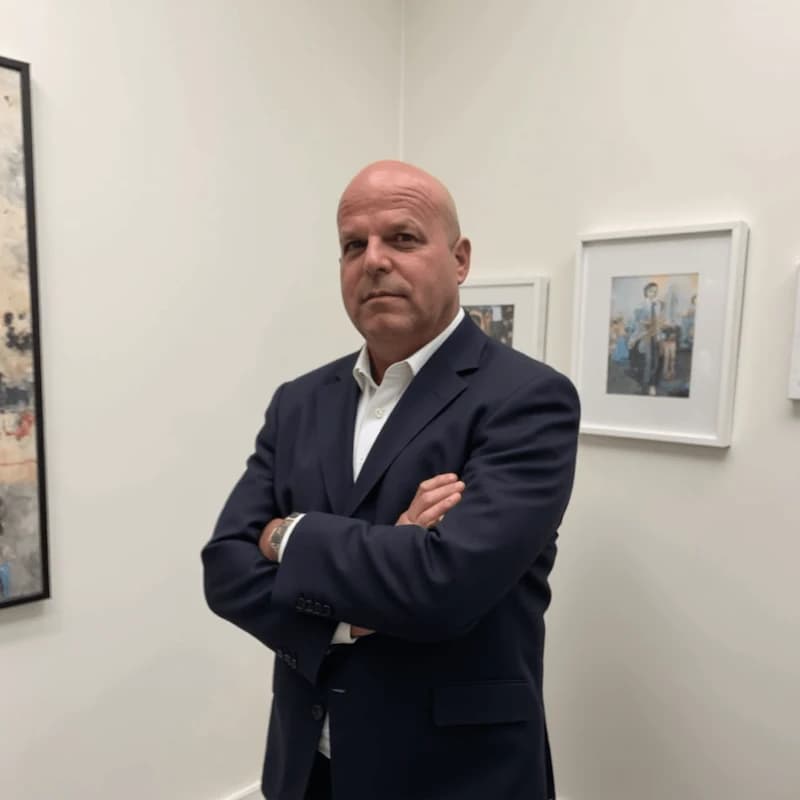
Founder & Lead Developer · Denham Springs, LA
Clint has built and marketed websites for 26 years, since founding BlakSheep Creative in 2000. He is also a 29-year firefighter and a 23-year member of IAFF Local 557, which is where the bias toward plain answers over sales copy comes from.
- Veteran-owned
- Firefighter-owned
- IAFF Local 557
Common questions about graphic design
Is talent enough to succeed as a designer?
How can a designer become more creative?
Why is communication important for designers?
What is the best time management method for designers?
How should a designer organize project files?

Your next step, without the guesswork
No surprises, clear next steps, and a fixed price before anything starts.