
By Clint Sanchez · Published · Updated · 11 min read

Quick answer
The architecture firm websites that win work do three things. They lead with full-width project photography, compressed so the page loads fast. They sort projects by building type rather than by date, because clients arrive with a school, clinic, or house in mind. And they state plainly which sectors the practice works in. Each project gets its own URL, contact details sit in the footer, and named people replace a generic About page.
Key takeaways
- Photography is the product on an architecture site. Carousels, narrow columns, and uncompressed renders all work against the sale.
- Almost every strong practice site reviewed sorts projects by building type or sector, not chronologically.
- A site that says only "full service architecture" competes with every other practice saying the same thing; naming sectors makes you the obvious call for matching clients.
- A lightbox gallery gives search engines nothing to index. A project with its own page can rank for the building type and the location.
- Twelve projects with real photography and their own pages win more work than sixty thumbnails in a grid.
- Several large practices, including FCB Studios and NBBJ, return almost no readable text to a crawler because their homepages depend on JavaScript.
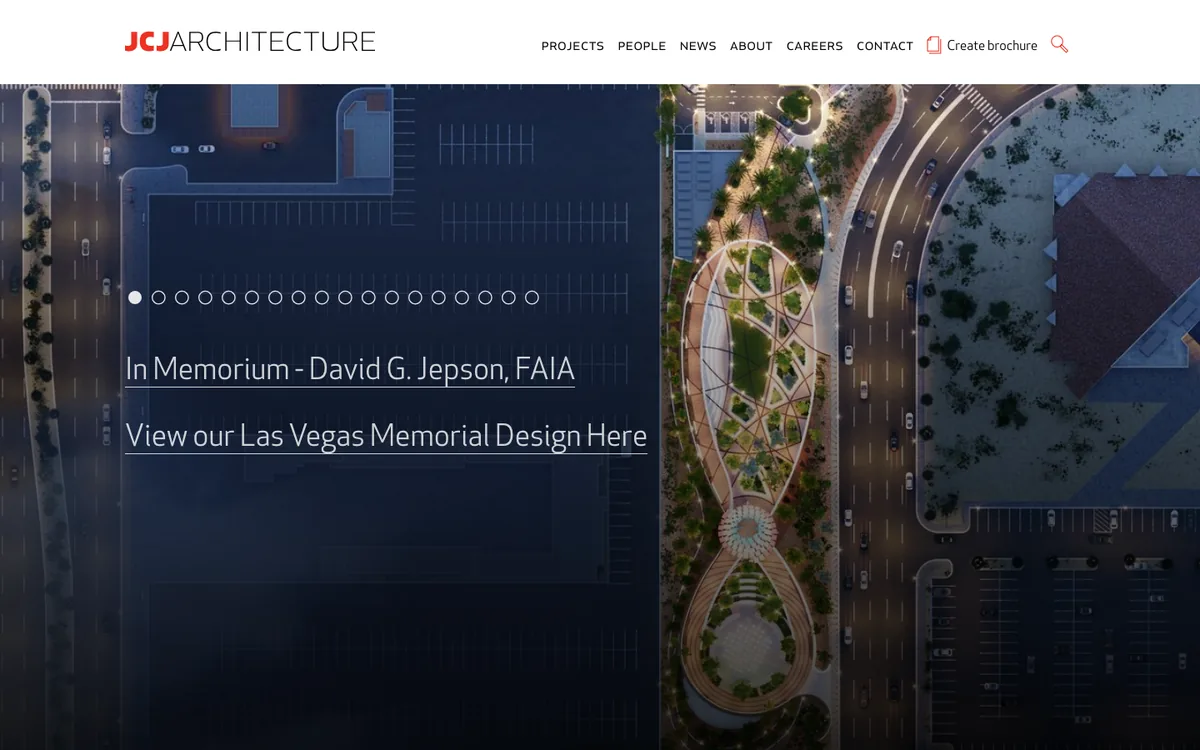
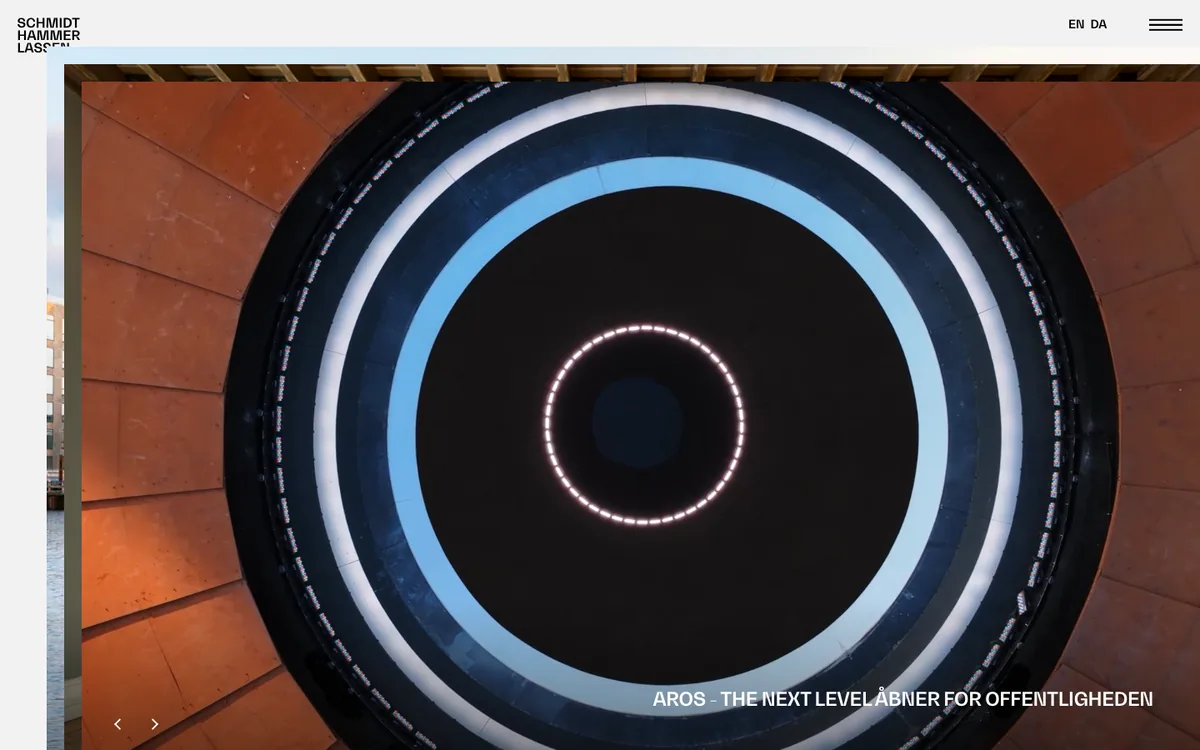
- Multi-office practices such as JCJ Architecture and Schmidt Hammer Lassen publish every office address and phone number, which is the cheapest local search win available.
In Louisiana, public architecture work for school boards, parish governments, and hospital districts is awarded through qualifications-based selection, so a committee is checking your comparable projects before you ever present. A Baton Rouge practice whose site buries its education or healthcare work behind a chronological grid makes that check harder than it needs to be. Sorting by building type is the fix, and it costs nothing but an afternoon.

Want this handled instead of DIY?
A 15-minute call, no script, no pressure. You leave with a plan either way.
Have you ever wondered what a good architecture firm website should look like? Well, here’s an incredible list of architecture website designs that are sure to inspire you.
If your company doesn’t have a website, check out our pay-per-month website program to help avoid resource-draining website development costs.
The architecture firm websites that win work do three things: they lead with project photography at full width, they make the work findable by building type rather than by date, and they say who the practice is for. Most firm sites are portfolios that assume the visitor already knows the studio. The ones below do not.
TLDR:
- Photography is the product. Anything that shrinks it is working against you
- Sort projects by building type, not chronologically. Clients arrive with a building in mind
- Say who you are for. A practice that does everything reads as a practice that does nothing
- Name the team. Architecture is bought from people, not firms
- Most firm sites load slowly because nobody compressed the renders
- The 40 examples below are worth studying. Steal the structure, not the styling
Looking for someone to build yours, not just examples to look at? We design and build websites for architecture practices. You get a price before the work starts, and you own everything when it is done.
| What the good ones do | What most firm sites do |
|---|---|
| Full-bleed project photography, compressed properly | Uncompressed renders in a narrow column, slow to load |
| Projects filterable by building type and sector | A reverse-chronological grid of everything ever built |
| States the sectors and scale the practice works at | “Full service architecture” and nothing more specific |
| Named people with real photographs | A generic About page and a contact form |
| Each project has its own URL and a short story | A lightbox gallery with no indexable page behind it |
| Clear next step on every project page | A Contact link in the header and nowhere else |
What’s Unique About Architectural Website Design?
Most business websites sell something the visitor can picture without help. Architecture does not work that way.
The work is the argument. A prospective client is trying to answer one question: has this practice done something like the thing I am about to commission? Everything on the site either helps them answer that or gets in the way.
Photography Carries the Weight
On a plumbing site an image is decoration. On an architecture site it is the product.
Anything that shrinks, crops, or slows the imagery is working against the sale. That includes carousels that hide the second frame behind a click, and full-resolution files that take four seconds to paint.
Sort by Building Type, Not by Date
Practices tend to organize projects chronologically, because that is the order they lived them in.
Clients arrive with a building in mind: a school, a clinic, a house on an awkward site. A portfolio sorted by year makes them do the filtering, and most will not bother.
Few Buyers, Long Decisions
You are not chasing volume. A practice might win six commissions in a year, and each one may take months to decide.
So the site matters less for capturing every visitor and more for being unmistakable to the handful who actually match. That is a different brief from a lead-generation website, and it should be built differently. It also shapes your wider marketing plan and strategy.
What Features Should an Architectural Firm’s Website Have?
A handful of things specific to architecture need to be right before anything else matters.
Project Pages With Their Own URLs
A lightbox gallery gives search engines nothing to index and gives the visitor nowhere to land.
A project with its own page can rank for the building type and the location, which is how someone finds you before they know your name.
Images Sized for the Web
Compressed properly, renders do not look worse. Shipped at full resolution, the page takes several seconds to appear and the visitor leaves before the work does.
A Plain Statement of Who You Build For
A site that says full service architecture competes with every other practice saying the same thing.
Naming your sectors feels like turning work away. It does the opposite: it makes you the obvious call for the people who match, and those are the commissions worth having.
Proof Beyond the Pictures
Awards, published work, named clients where you are permitted to name them, and testimonials if you have collected any. Renderings show capability. Proof shows reliability, and the second one closes.
The Practical Foundations
Contact details visible in the header, the footer, and on every project page. Fast hosting. A domain matching the practice name. A blog only if you will keep it current, because one dated three years ago reads worse than none, and here are the benefits of blogging for architects if you will. Then SEO for architects so the work is findable at all.
How to Judge the Sites Below
These screenshots only help if you know what you are looking for. Ask four questions of each one.
- How quickly did the first image appear? If you noticed the wait, so did their clients.
- Can you tell in five seconds what they build? Schools, houses, hospitals. If you cannot, neither can a prospective client.
- How many clicks to see one project properly? Two is fine. Four means the work is buried.
- Is there an obvious way to start a conversation? Plenty of beautiful practice sites forget this entirely.
The sites below answer those questions in different ways, and a few answer some of them badly while doing something else brilliantly. Steal the parts that fit your practice.
What the Strongest Examples Here Get Right
We went back through these sites in 2026 rather than trusting the original write-up. A few patterns separate the ones that still hold up.
Nearly All of Them Sort by Building Type
Of the practices we re-checked in detail, almost every one navigates by sector rather than by date.
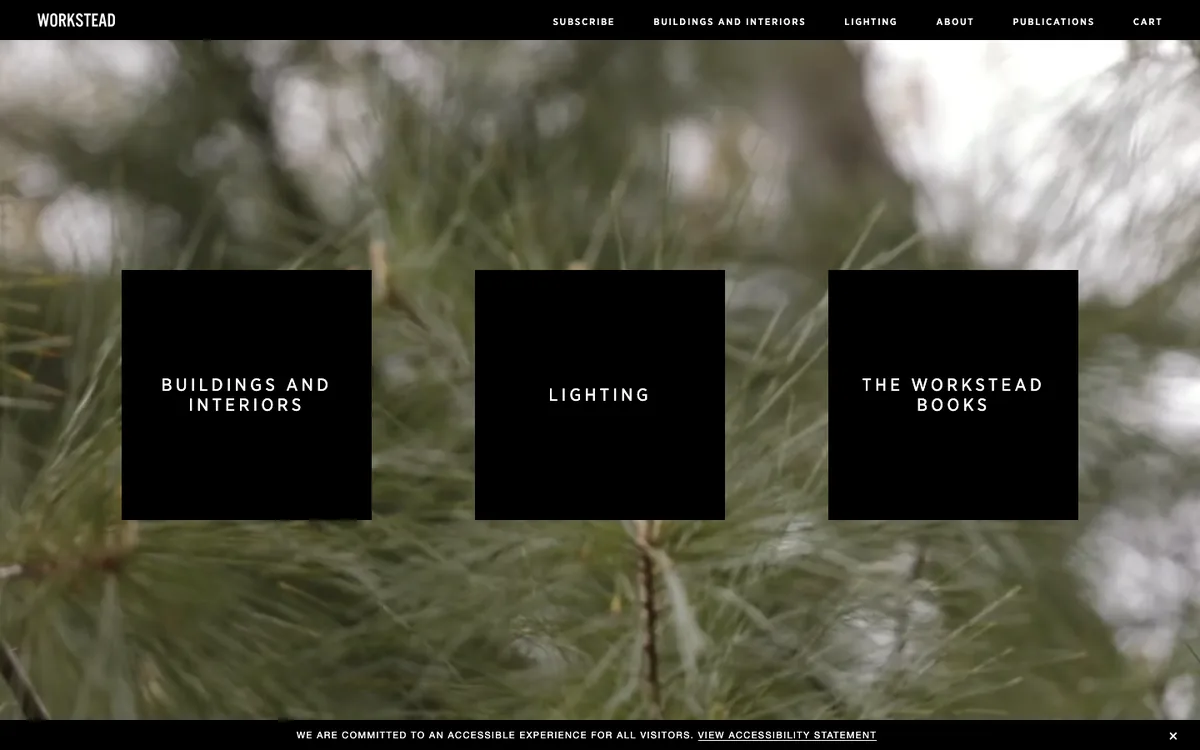
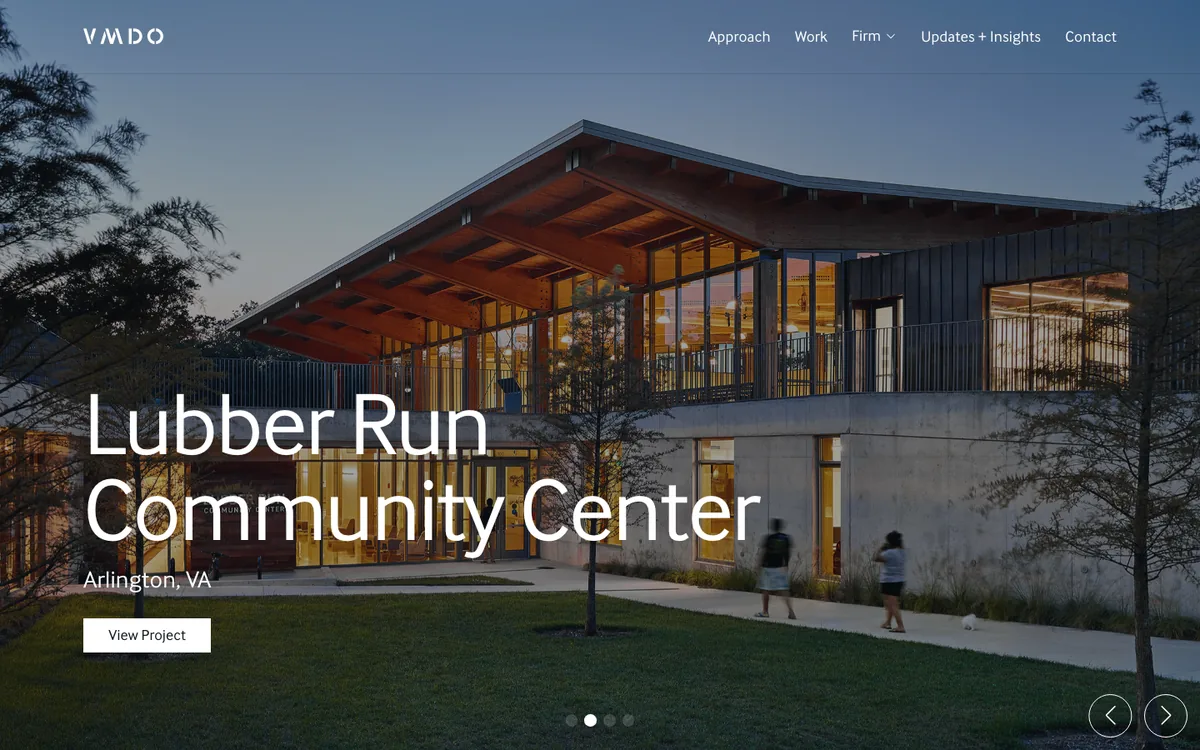
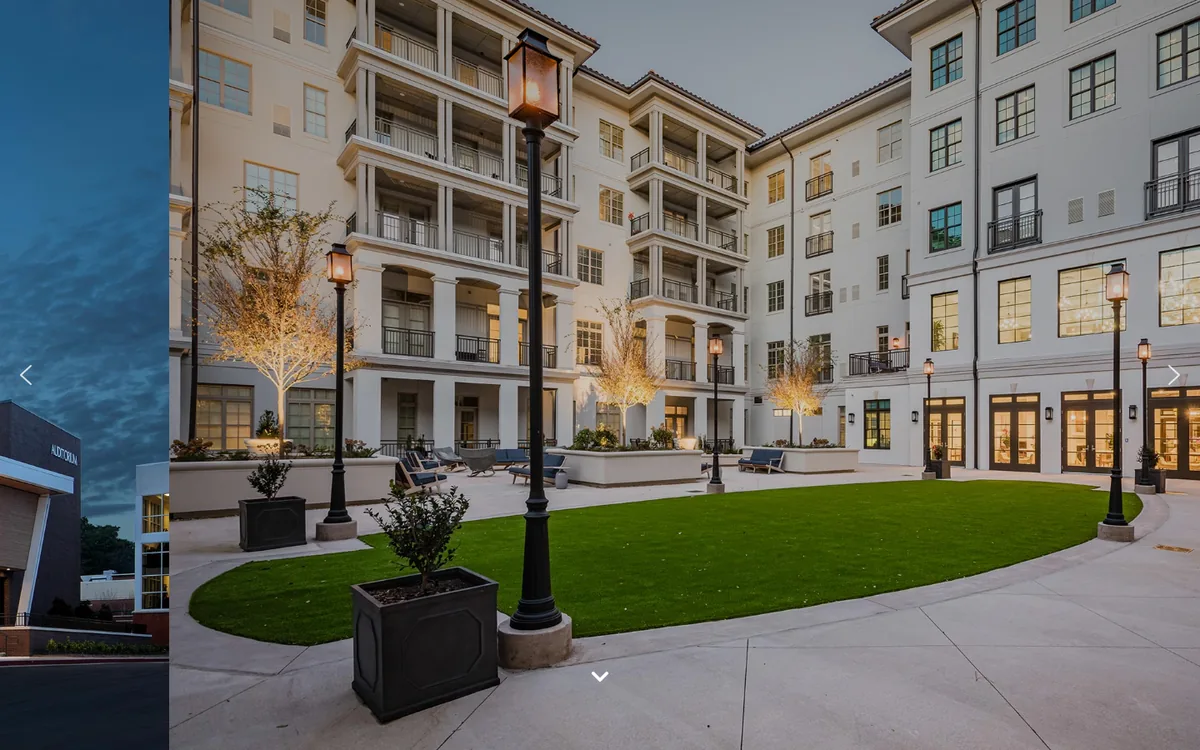
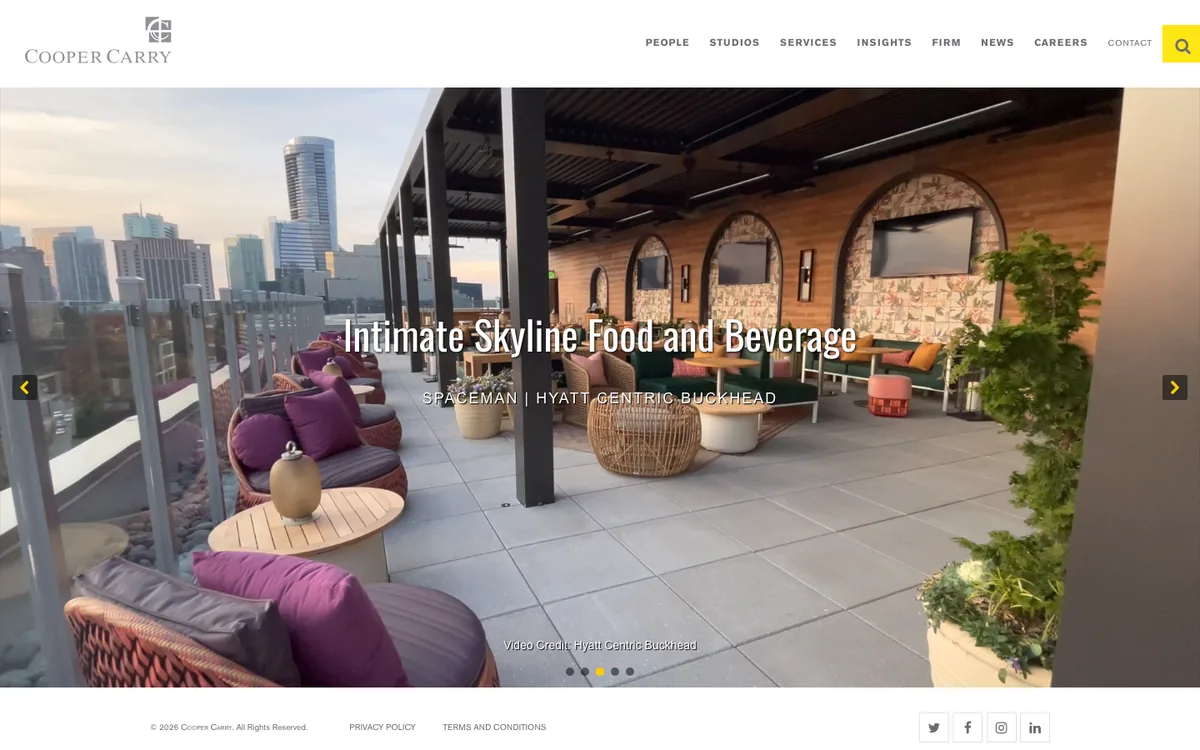
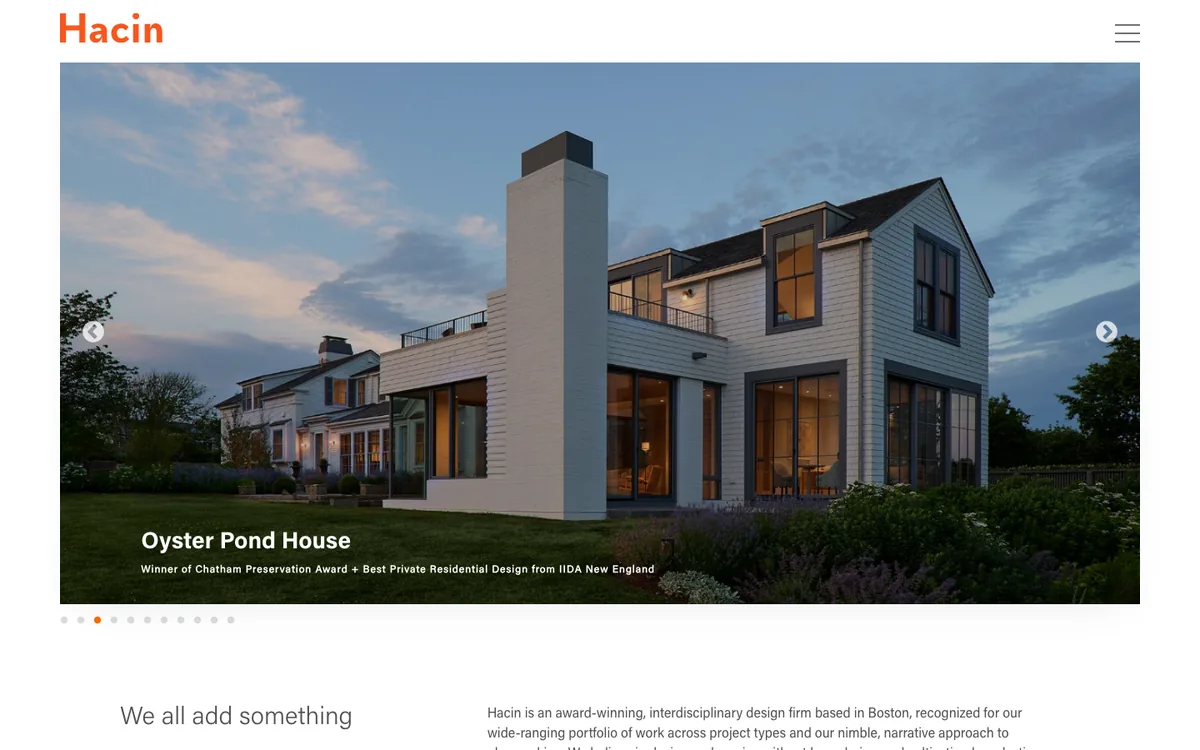
Workstead splits Hospitality, Residential and Commercial. VMDO tags work as Higher Education and Civic plus Cultural. CDH Partners names four sectors outright: Live and Work, Health and Wellness, Education and Research, Worship and Community. Cooper Carry runs sixteen sector studios, 1100 Architect offers eight project categories, and Hacin five. Arkhefield does the same.
Not one of them asks you to scroll a chronological list. That is the single most copied decision on this page, and it is the one most worth copying.
The Good Ones Say Who They Are For Immediately
VMDO leads with Architecture and Design for Education and Community. 1100 Architect states plainly that it is a practice in New York and Frankfurt working across housing, education, public and cultural buildings. CDH Partners says woman-owned architecture and interior design before it says anything else.
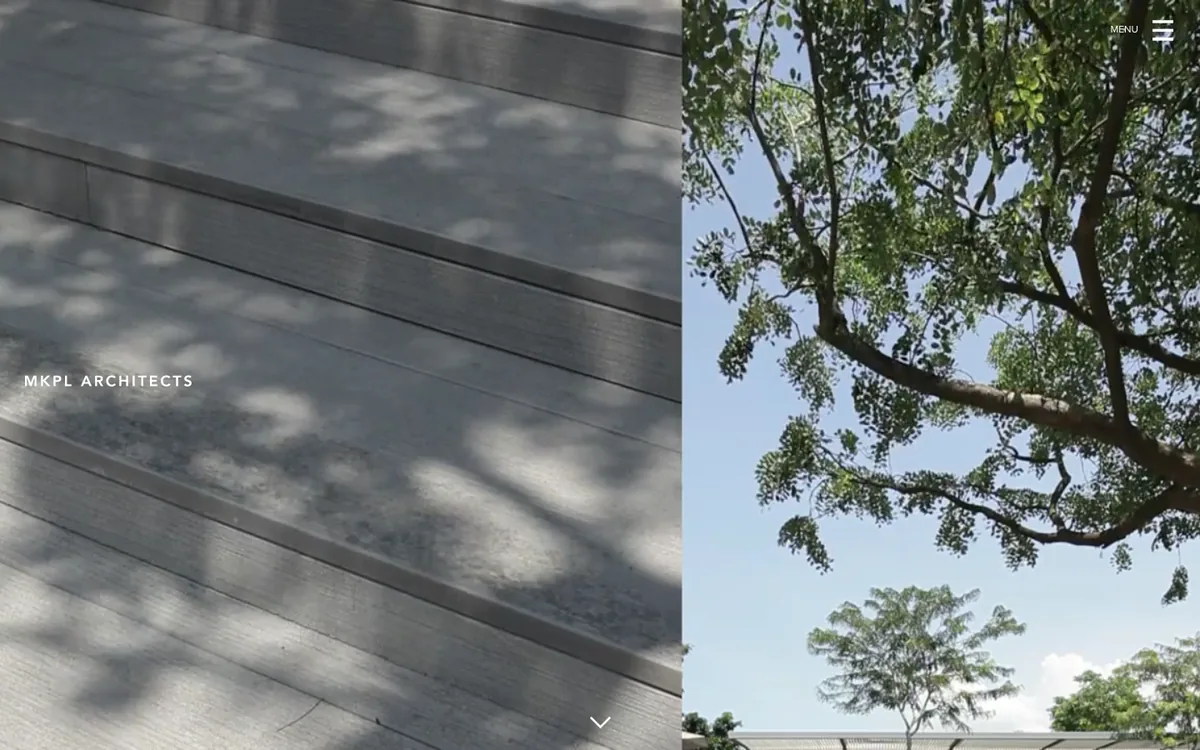
Compare MKPL, which opens on a statement about capturing the feeling of a place. It reads beautifully and tells you nothing about what they build. You have to click through to Projects to find out, and plenty of visitors will not.
Contact Details Belong in the Footer, Not Behind a Link
1100 Architect puts phone and email for both offices in the footer. Arkhefield lists a Brisbane street address, phone and email. Hacin goes further and splits addresses for careers, new business and press, which quietly signals a practice with real operations behind it.
Workstead keeps contact inside the About page, and Cooper Carry offers a Contact link with no details attached. Both are strong sites that make the last step harder than it needs to be.
Proof That Did Not Come From You
Workstead runs Architectural Digest, New York Times, Forbes and Wallpaper logos in the footer. Cooper Carry leads with a Forbes listing. Hacin places award callouts directly on the hero images. None of it is the practice describing itself, which is exactly why it carries.
Two Cautions Worth Noting
Bjorken opens on a splash screen asking you to Enter site or Spin again. It is charming the first time and an obstacle every time after.
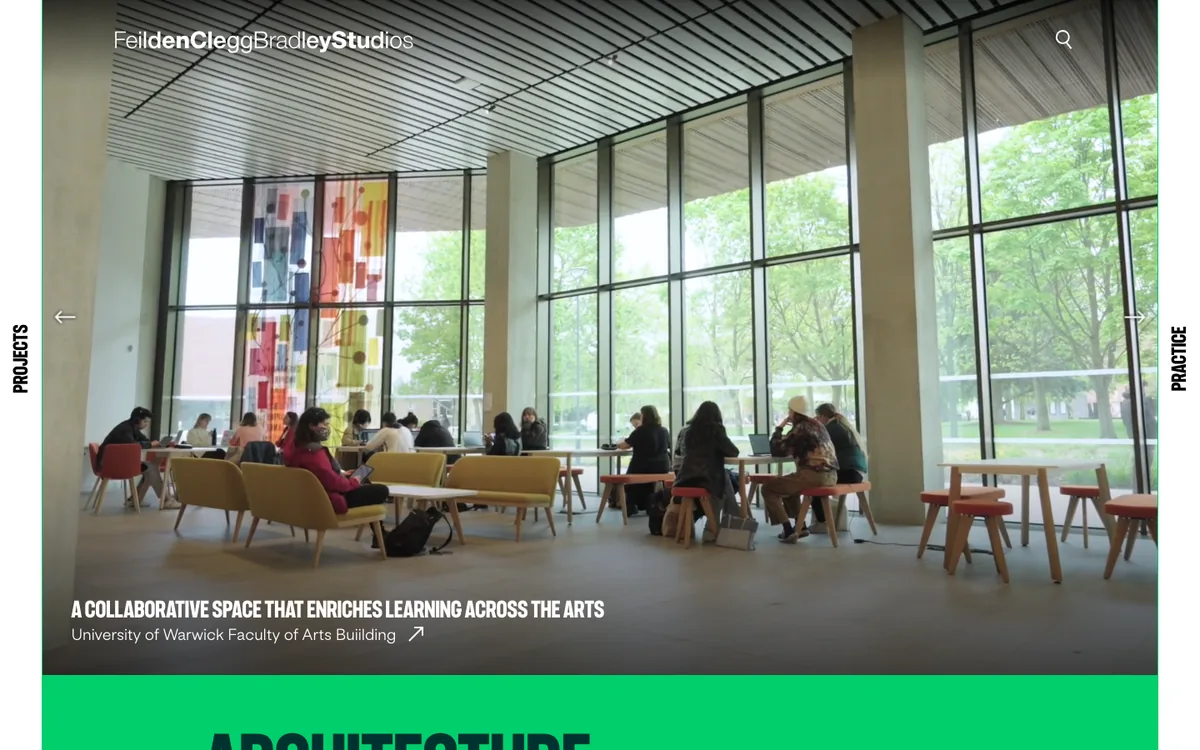
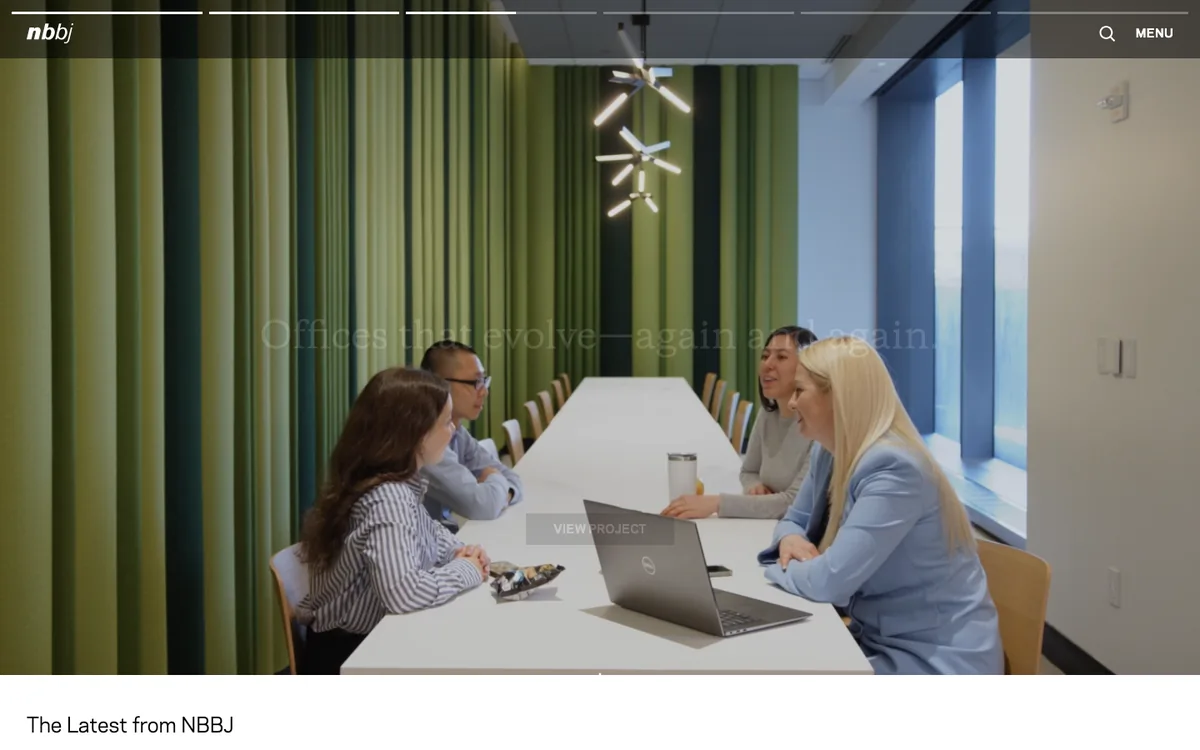
More seriously, several of these sites return almost no readable text to a crawler. Feilden Clegg Bradley and NBBJ are both significant practices whose homepages are close to invisible to anything that cannot run JavaScript. If you intend to be found through search, that is a decision to make deliberately rather than inherit from a template.
One Practice Sorts by Values Instead, and Gets Away With It
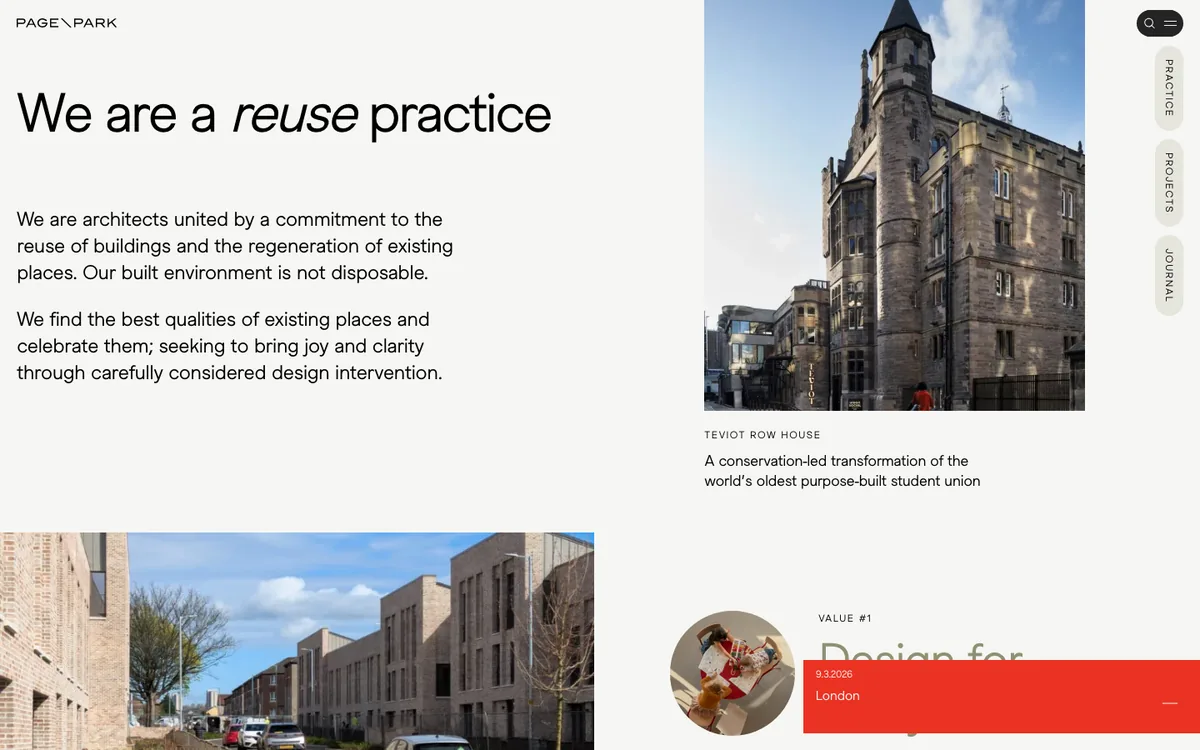
Page and Park opens with the line “We are a reuse practice” and then organises its portfolio under seven commitments rather than building types: Design for Everyone, Place and Community, Building Narratives, Adaptive Designs, Economy and Efficiency, Craft and Beauty, Environmental Impact.
It works because the positioning is narrow enough to carry it. If your practice does one thing and says so in the first line, you can organize around ideas. If you do six things, sort by building type.
Multi-Office Practices Publish Every Office
JCJ Architecture lists eight offices with addresses and direct phone numbers. Schmidt Hammer Lassen gives Copenhagen, Aarhus and Shanghai. 1100 Architect covers New York and Frankfurt, in both languages.
For a firm with more than one location this is the cheapest local search win available, and it is surprising how many practices bury it behind a single contact form.
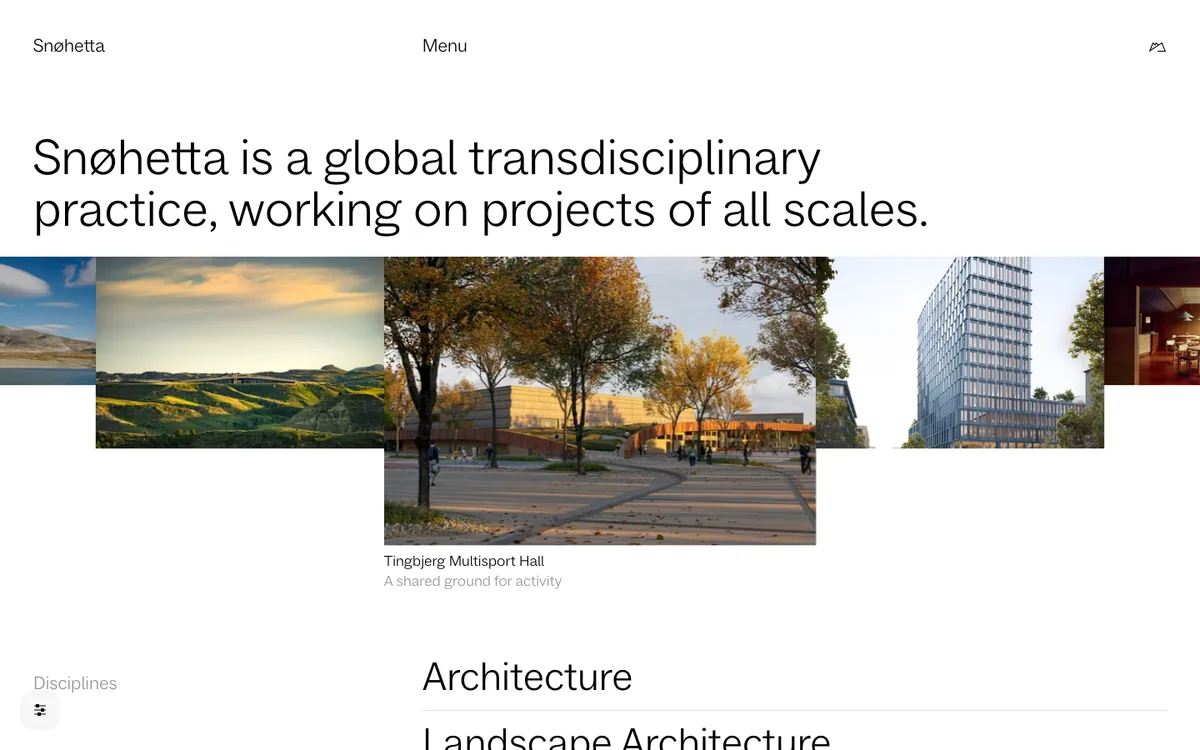
Snohetta Builds for People Who Cannot See the Photography
Alone among these sites, Snohetta offers accessibility controls: a dark mode, a simplified view, and a low-resolution option for slow connections. On a site whose whole argument is large imagery, that is a deliberate and unusual choice, and a good one to copy.
Where Some of These Fall Down
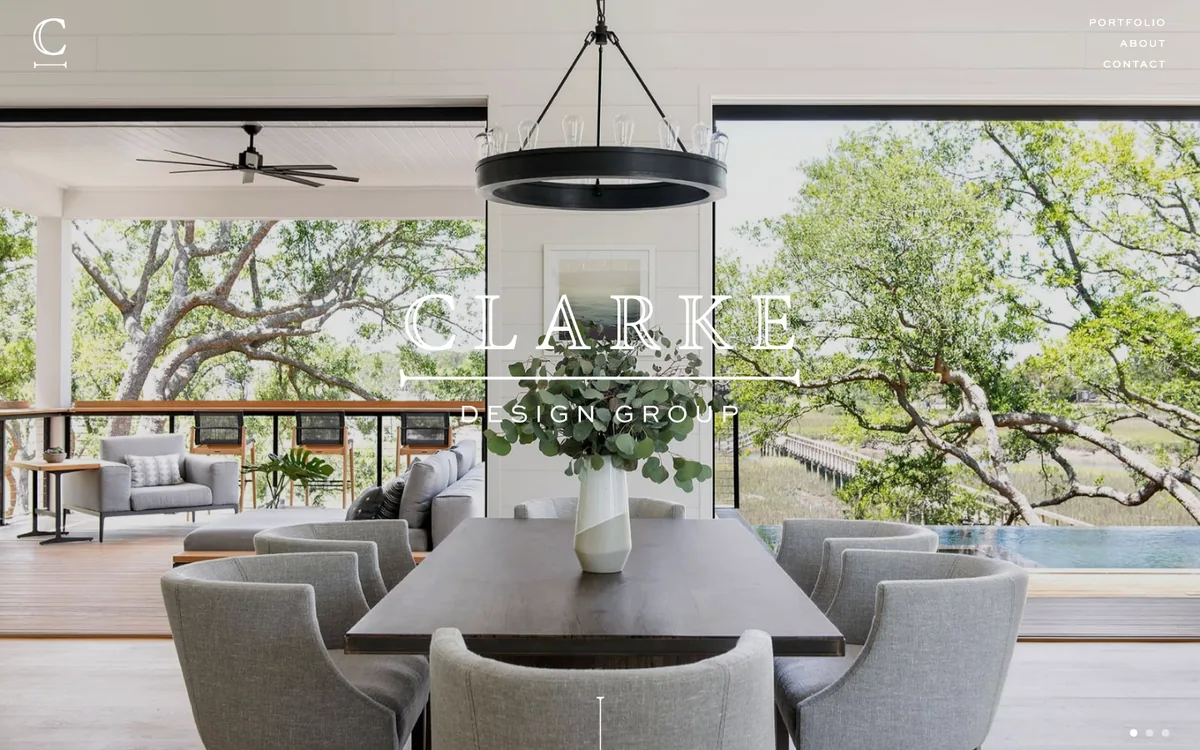
Clarke Design Group renders “No items found” twice on its homepage, which is a filter returning nothing. That kind of fault survives for years because nobody scrolls their own site the way a stranger does.
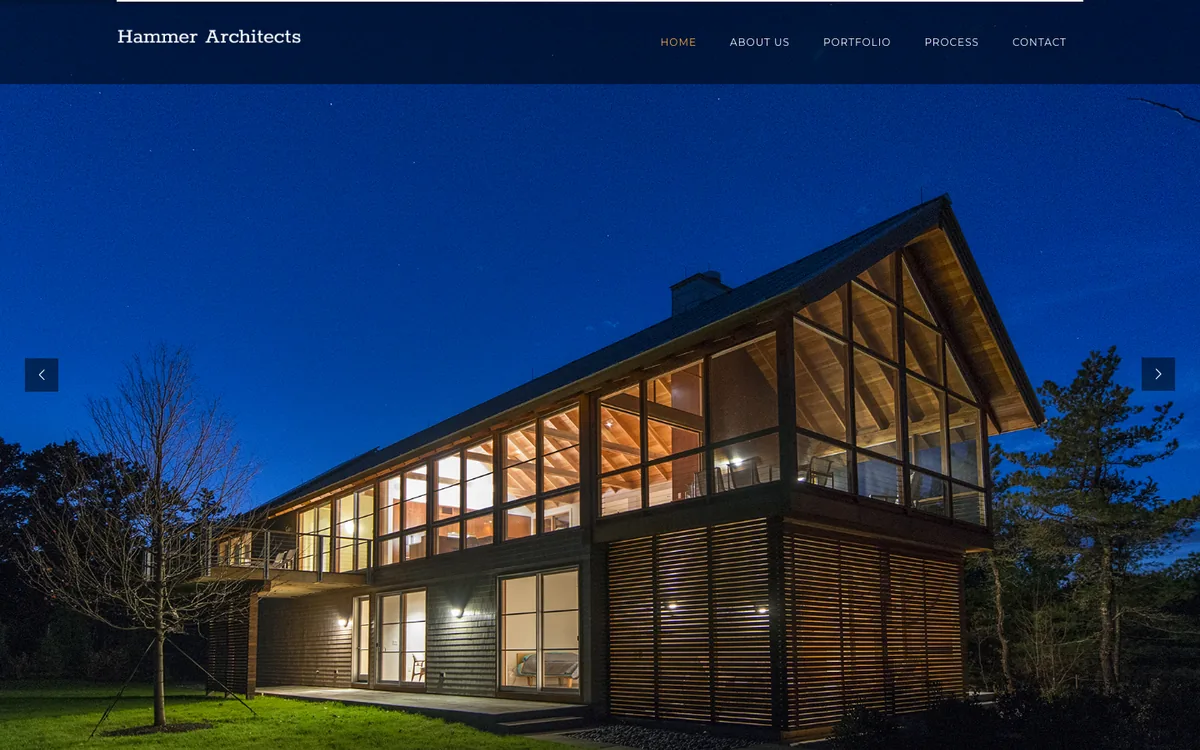
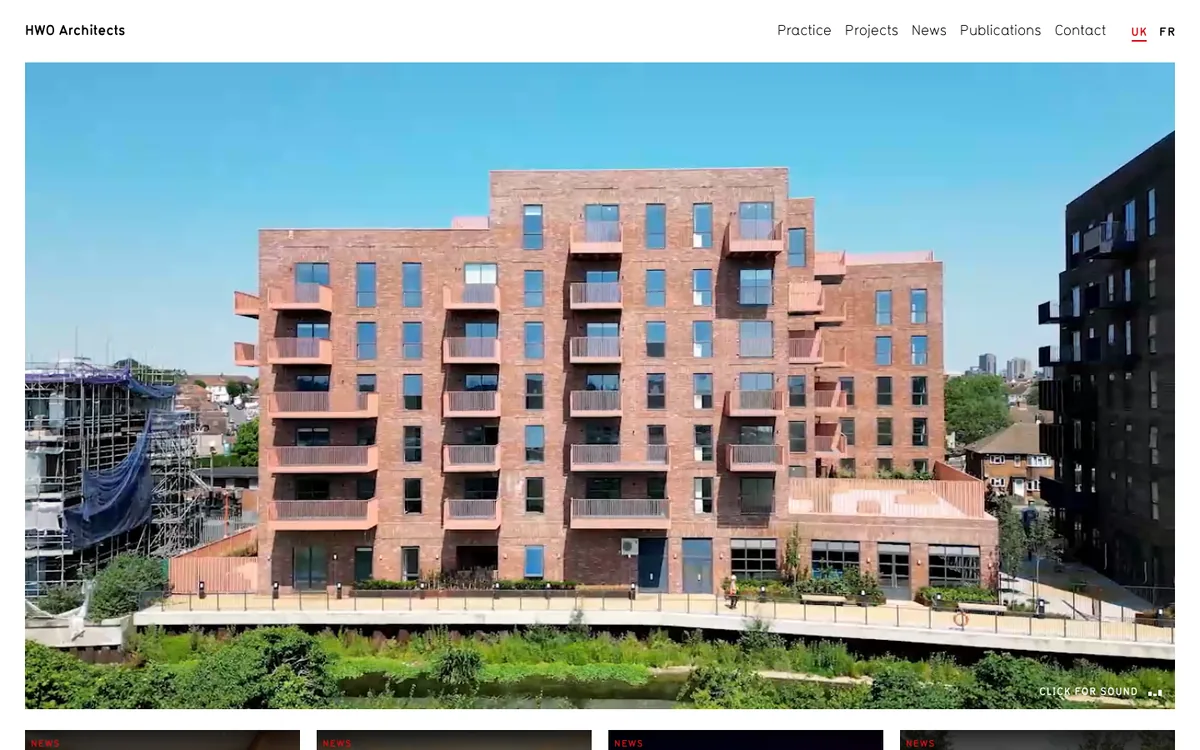
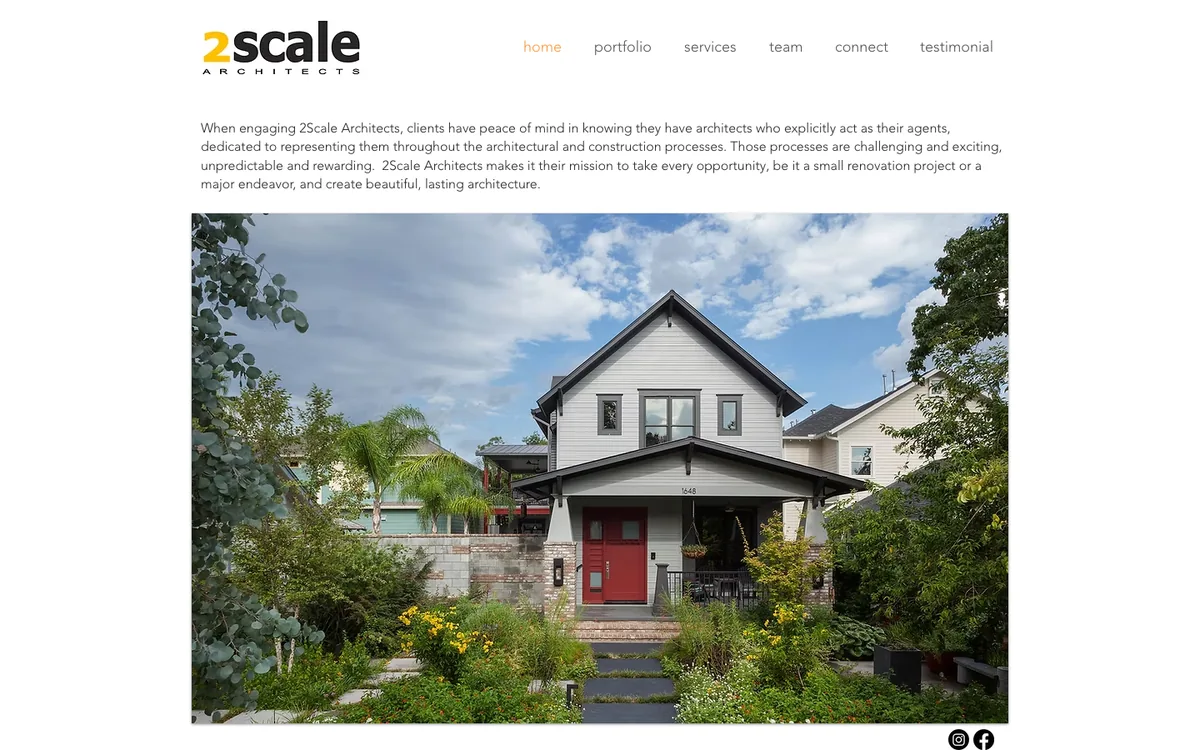
2Scale Architects lists twenty-three projects in a flat menu with no categories and no homepage imagery, so you cannot tell what they build without clicking. Hammer Architects opens on a line about buildings that are a joy to live in, which would sit equally well on any practice site anywhere. HWO leads with a news feed, so it takes real scanning to work out they are mainly residential.
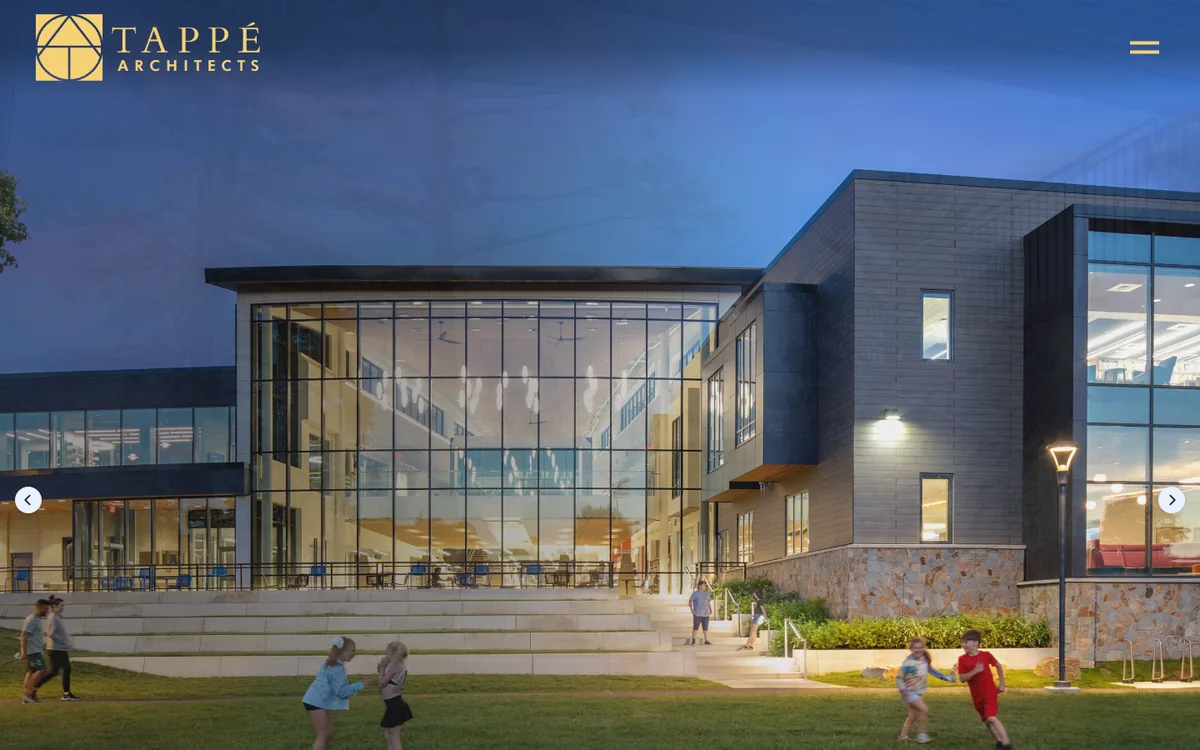
A Small Thing Tappe Does That Most Forget
Tappe links out to its own profiles on Architizer, Architect Magazine and Archinect. Those directories rank for searches your own site will struggle with, and claiming the profiles costs nothing but an afternoon.
Our List of 33 of the Best Architectural Websites Around
Workstead
VMDO Architects
MKPL Architects
Segerson (formerly Tallman Segerson)
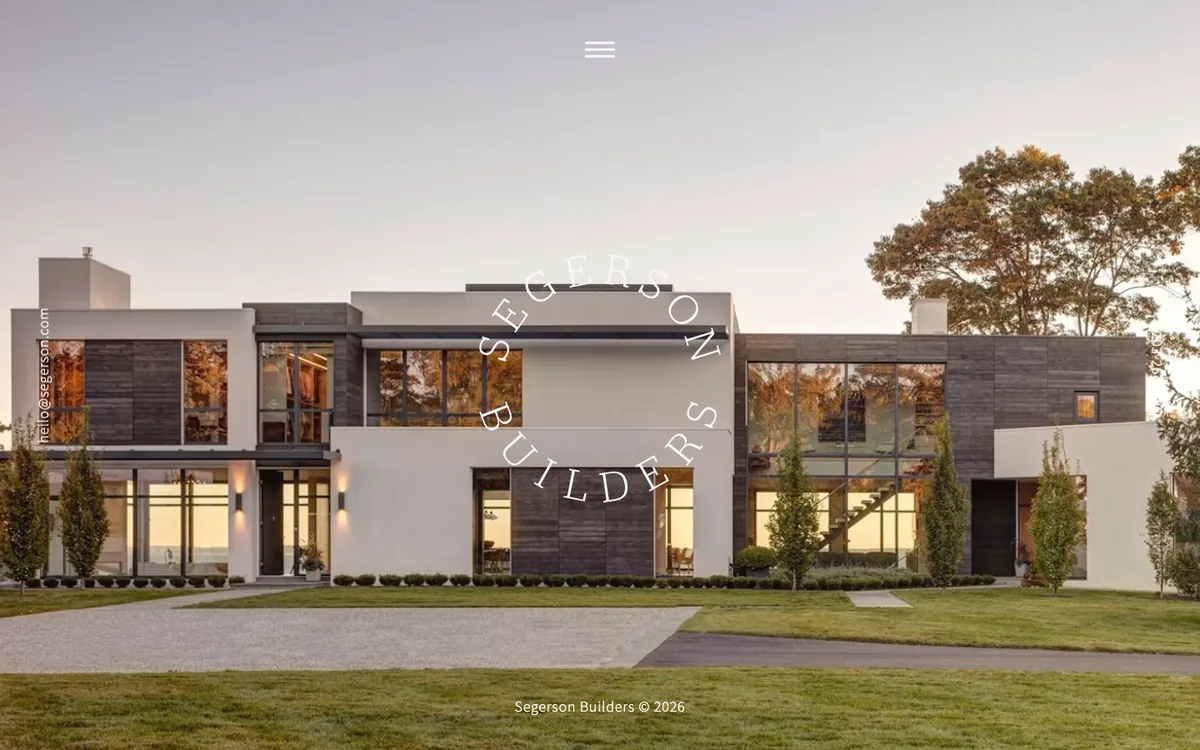
Update: this practice now trades as Segerson Builders and works as a custom home builder rather than an architecture firm. The site is still a good example of project pages named by location and style.
CDH Partners
Bjorken Architects

FCB Studios
Cooper Carry
MOAA Architects
DSFN Architects
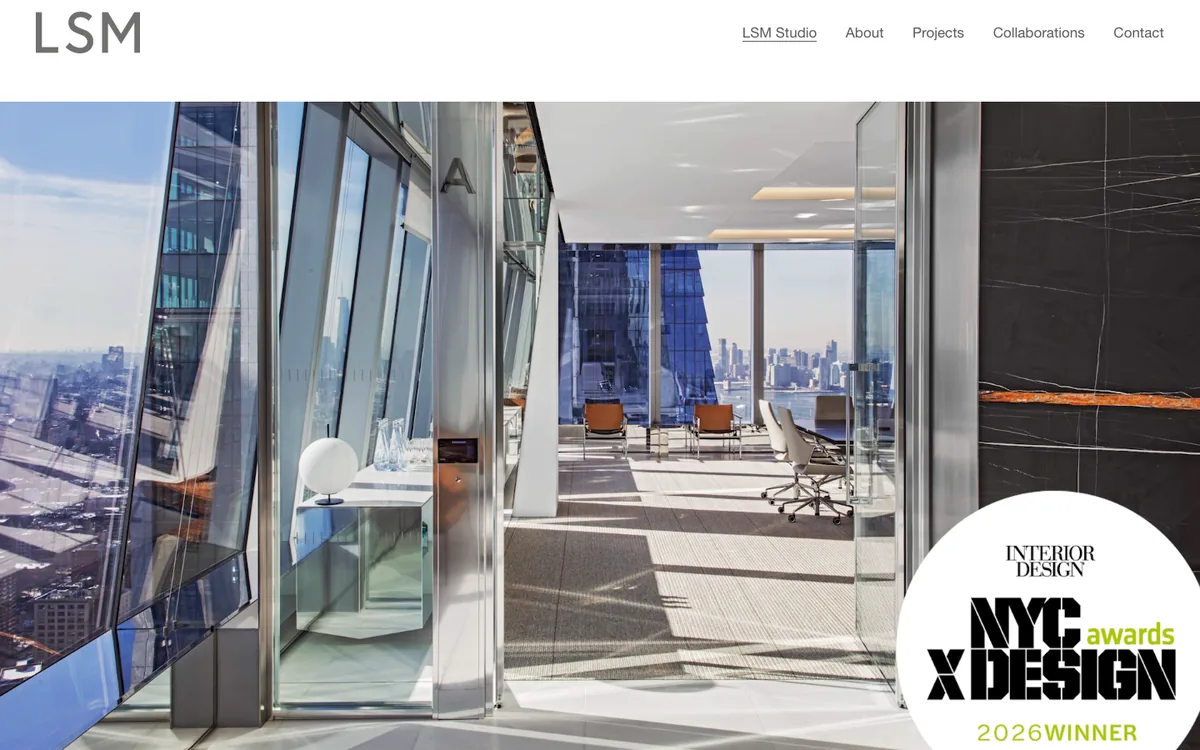
LSM
Clarke Design Group
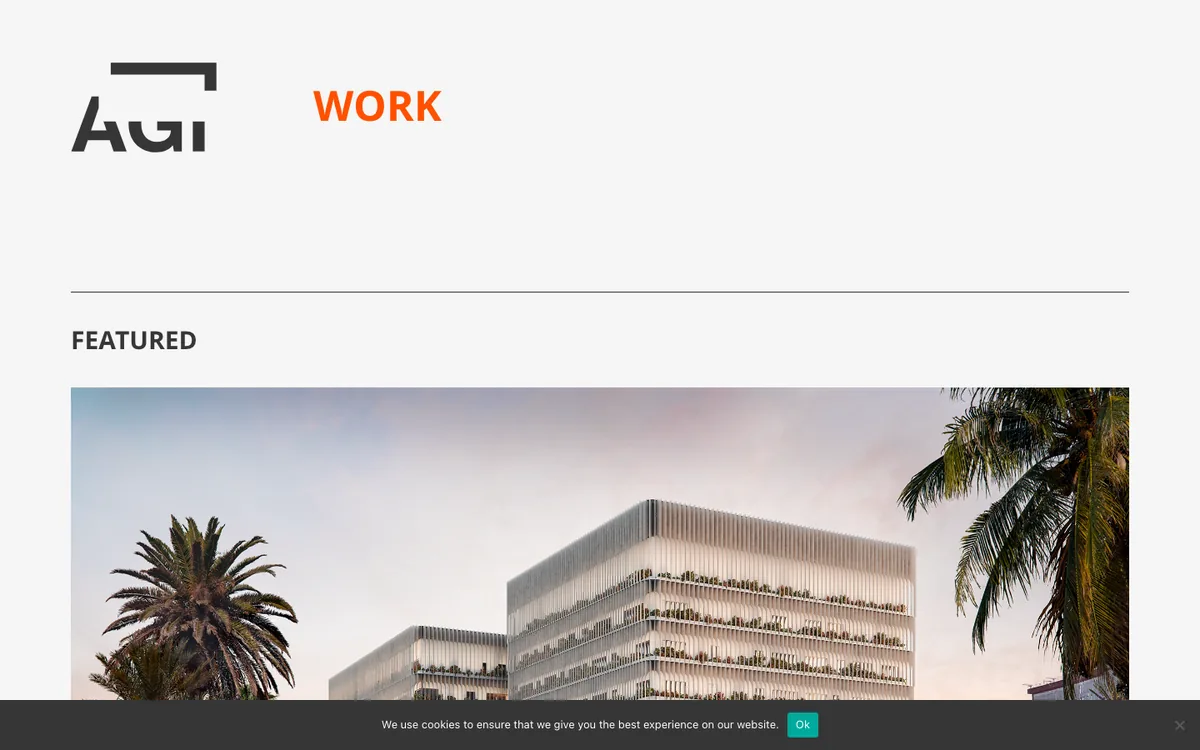
AGi Architects
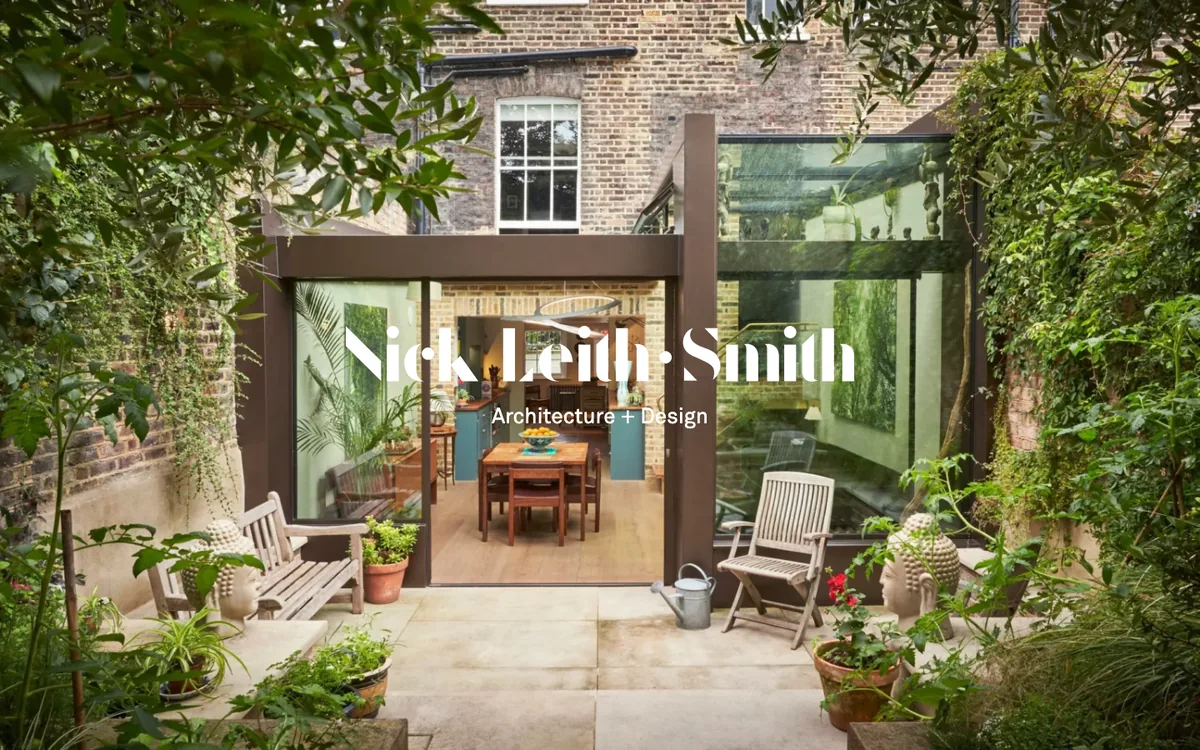
Nick Leith-Smith
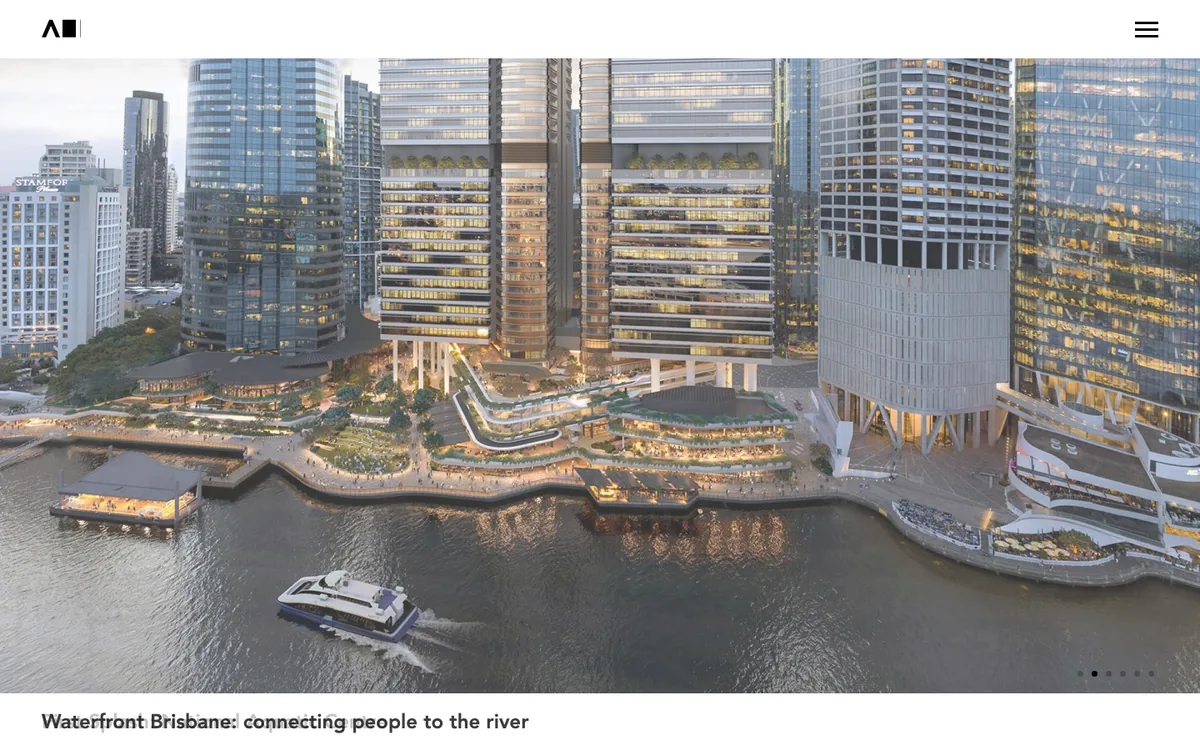
Arkhefield
Hammer Architects
Page/Park
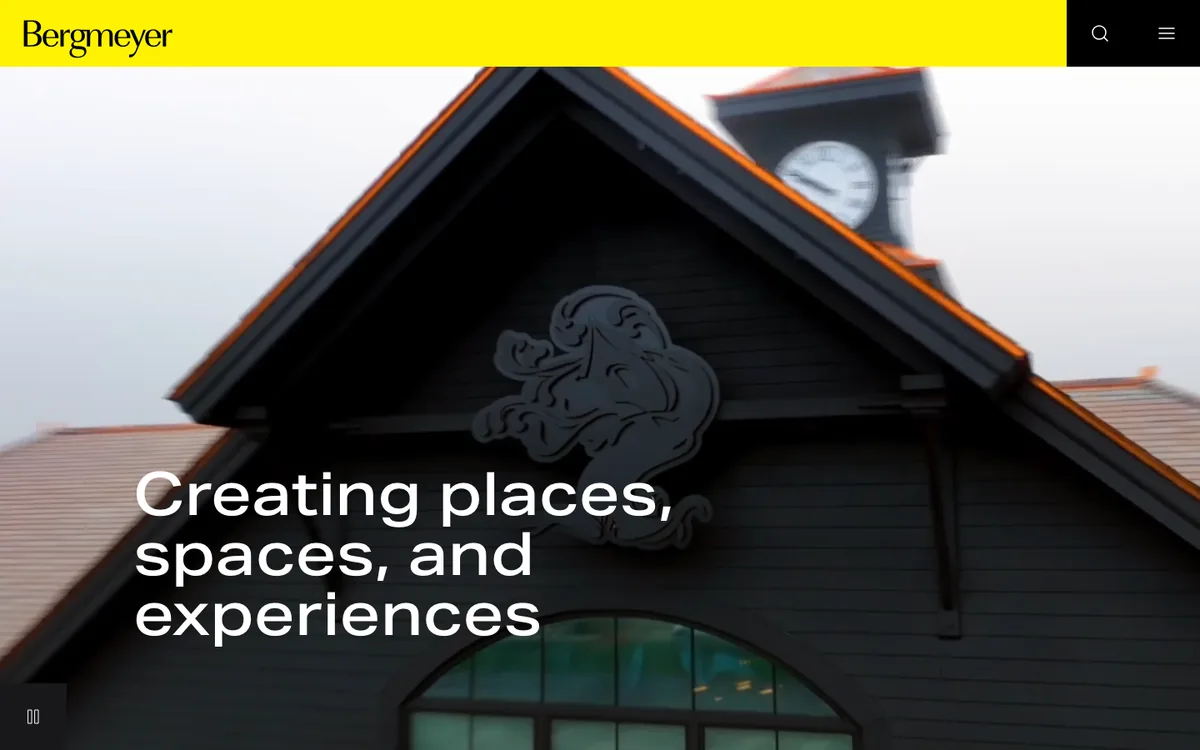
Bergmeyer
1100 Architect

HWO Architects
Hacin + Associates
Andersson-Wise
JCJ Architecture
Tappé Architects
Schmidt/Hammer/Lassen
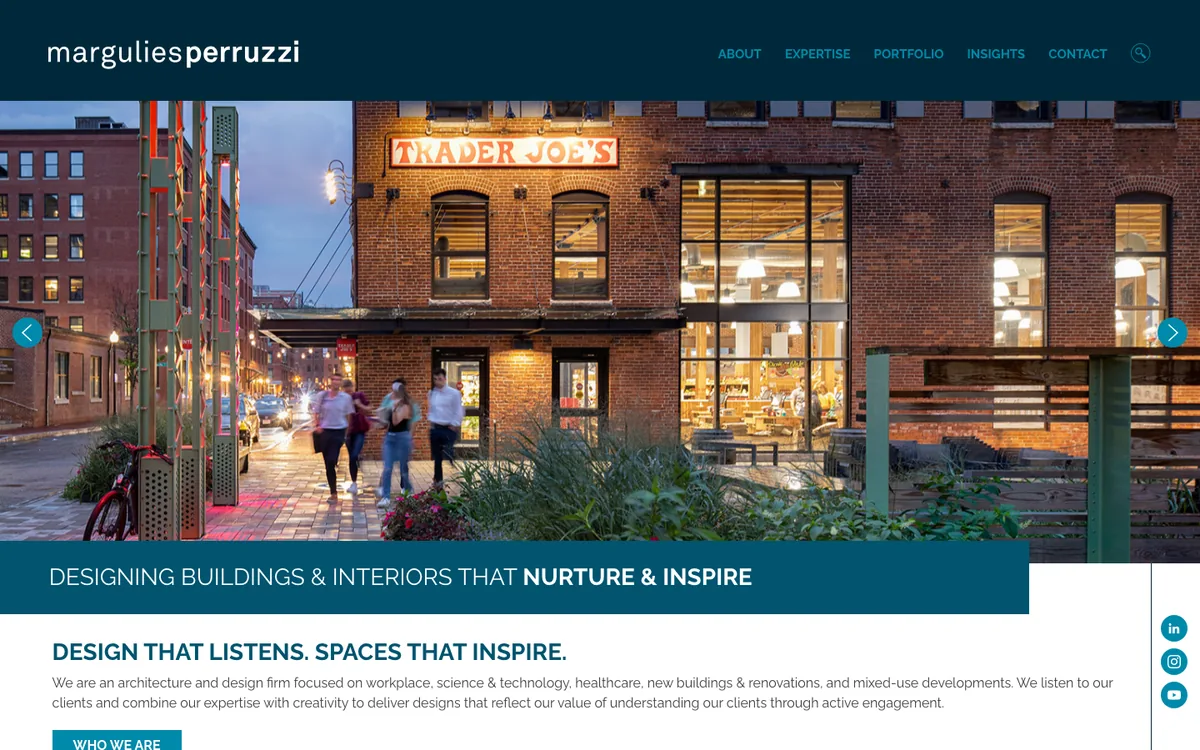
Margulies Perruzzi Architects
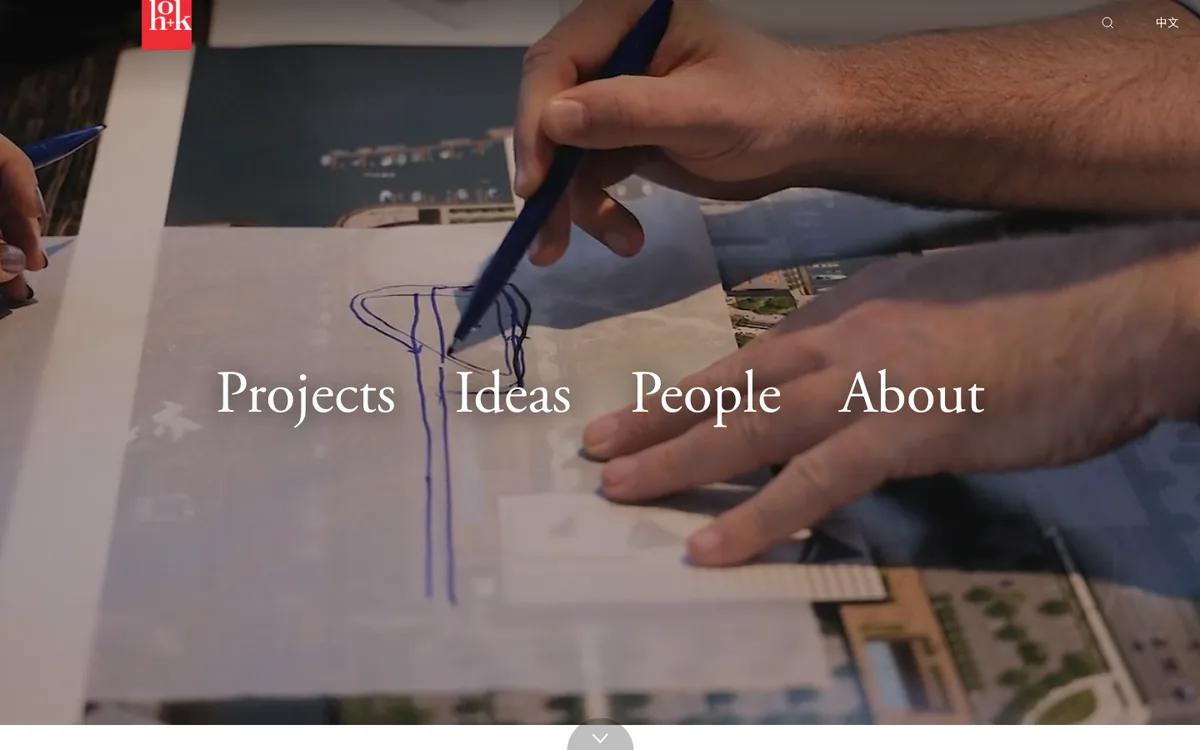
HOK
Snøhetta
10 Designs

2Scale Architects
Nbbj Architects
VLK Architects

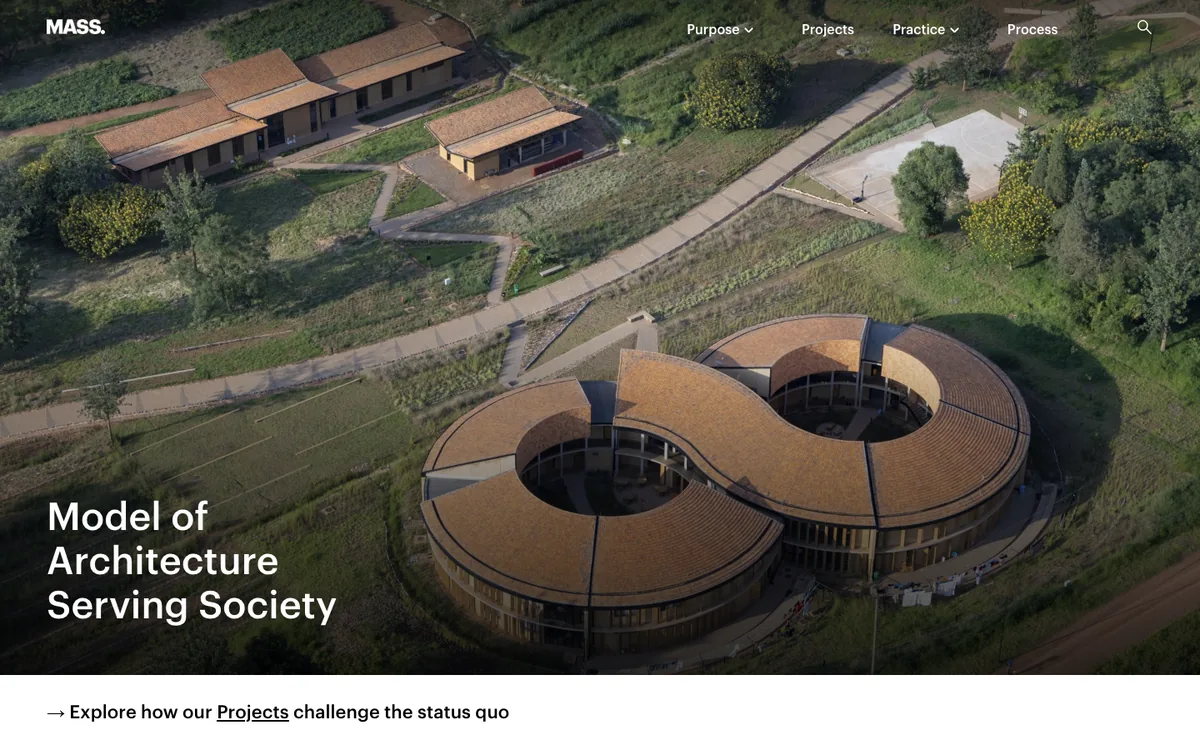
MASS Design Group
What Architects Ask Before Rebuilding a Firm Website
These come up on nearly every call with a practice that has outgrown its current site.
How many projects should go on the site?
Fewer than you think, presented properly. Twelve projects with real photography, a short story and their own page will win more work than sixty thumbnails in a grid. Depth beats volume, because the client is checking if you have done their building before, not counting.
Do we need a page for every project?
For the projects you want more of, yes. A lightbox gallery gives search engines nothing to index and gives the visitor nowhere to land. A project with its own URL can rank for the building type and the location, which is how a client with a similar job finds you.
Our photography is expensive. Does it need compressing?
Yes, and it will not look worse. This is the single most common fault we find on firm sites: beautiful renders shipped at full resolution, so the page takes several seconds to appear. The visitor leaves before the work loads. Modern formats keep the quality and cut the weight substantially.
Should we say what sectors we work in?
Yes. Practices worry that naming sectors turns work away. In practice a site that says “full service architecture” competes with every other practice saying the same thing, and a site that says it does schools gets called by people building schools.
What does a website for an architecture firm cost?
It depends on project count and on the state of the photography, because those drive the page count. We price every build per project and give a firm number before any work starts. If you would rather spread it, we run monthly plans at $250 and $500 a month.
Examples are useful, but so is seeing the work up close. Two architecture practices we built for recently: Barefoot Design Group in St. John, and Alder Architecture and Design in Wasilla, Alaska.
Studied the forty and want yours built properly? Tell us how many projects you want to show and what state the photography is in. That is enough for a real number.
Trust BlakSheep Creative With Your Architectural Firm Website
After looking at this list of stunning architectural websites, perhaps you have some ideas of how you would like yours to look. If you do, feel free to contact us, and let’s discuss how we can make you a custom website for your firm.

We build this for architecture firms.
Fixed quote before we start, and you talk to the people who do the work.
About the author

Founder & Lead Developer · Denham Springs, LA
Clint has built and marketed websites for 26 years, since founding BlakSheep Creative in 2000. He is also a 29-year firefighter and a 23-year member of IAFF Local 557, which is where the bias toward plain answers over sales copy comes from.
- Veteran-owned
- Firefighter-owned
- IAFF Local 557
More Questions About Architecture Firm Websites
Short answers to the questions that come up most on this topic.
Should an architecture firm website sort projects by building type or by year?
Does an architecture firm need a page for every project?
Why do most architecture firm websites load slowly?
Where should an architecture firm put its contact details?
Should an architecture practice show awards and press on its website?
How much does an architecture firm website cost to build?

Your next step, without the guesswork
No surprises, clear next steps, and a fixed price before anything starts.