
By Clint Sanchez · Published · Updated · 4 min read

Quick answer
A homepage title tag that reads Home tells searchers nothing about the brand, the services, or why they should click, and it signals low content value to Google. Fix it by writing a descriptive, keyword-aware title that reflects the unique selling proposition, keeping it inside the first 50 to 60 characters search engines display, and placing the brand name at the end unless the business is a household name.
Key takeaways
- A title of Home wastes prime real estate for the brand name and core services.
- Search engines display only the first 50 to 60 characters of a title tag, according to Search Engine Land, so every character counts.
- Unless you are a household name, put the brand at the end of the title and let the services lead.
- A generic title signals low content value to search engines and pushes the site down in rankings.
- The same snippet often reveals a truncated meta description, a URL without keywords, missing branding, and HTTP instead of HTTPS.
- HTTPS is now the standard for every website and a trust and ranking factor.
In the fast-paced world of digital marketing, standing out is the name of the game. But, what if your first digital impression makes people chuckle, not for your clever content, but because your website’s title in the Search Engine Results Pages (SERPs) reads “Home”? At BlakSheep Creative, a cutting-edge digital marketing agency in Baton Rouge, LA, we’ve seen it all, and we’re here to tell you: if your website is still greeting users with a mundane “Home,” it’s time for an urgent makeover!
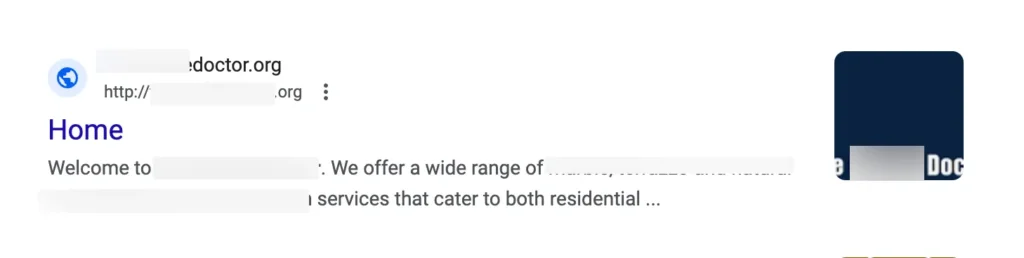
Why “Home” Doesn’t Feel Like Home Anymore
The digital landscape is your 24/7 storefront, and your title tag is the neon sign that attracts users. Imagine walking down a vibrant street filled with enticing signs, only to find one that says “Store.” That’s exactly how users feel when they see “Home” in the SERPs. It’s not just uninspiring; it tells them nothing about your brand, services, or why they should click through.
The Cost of Being Generic
In SEO and digital marketing, being generic is akin to being invisible. A generic title like “Home” can have several drawbacks:
Want this handled for you? We build and market websites for Louisiana businesses, and we will tell you honestly if you do not need us.
- Lost Branding Opportunity: Your title tag is prime real estate for your brand name and critical services. Missing out on this is like leaving money on the table.
- Poor User Experience: Users rely on specific, descriptive titles to guide their clicks. “Home” could be anyone’s home, anywhere – why should it be yours?
- SEO Downgrade: Search engines like Google emphasize relevance and specificity. A generic title can signal low content value, pushing your site down in rankings.
BlakSheep Creative’s Guide to Title Tag Triumph
At BlakSheep Creative, we’re in the business of making your website not just visible but unforgettable. Here’s how you can revamp your title tags:
- Be Descriptive, Be Unique: Reflect your unique selling proposition and services right in the title.
- Incorporate Keywords Smartly: Help search engines understand your site’s relevance to user queries.
- Keep It Concise: Search engines display only the first 50–60 characters of a title tag, so make every character count.
- Brand It Up: Unless you’re a household name, place your brand at the end of the title. Let your services lead the way.
A Real-World Example of an SEO Misstep
Let’s take a real-world example to illustrate just how critical these SEO elements are. Imagine a snippet from a SERP where the title simply says “Home.” It’s not just a missed opportunity; it’s a glaring oversight in today’s SEO-savvy world. Here’s what’s wrong with this picture:
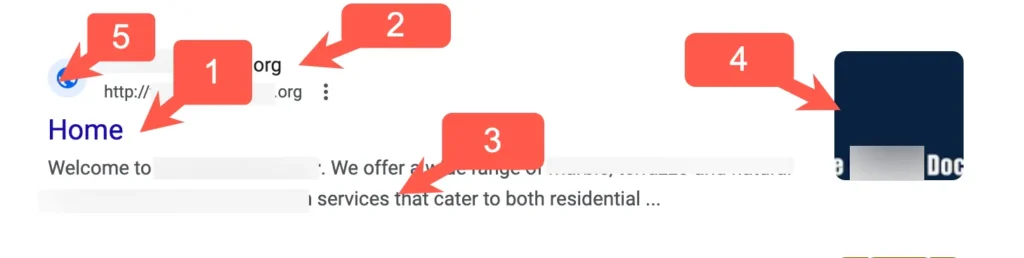
- Title Tag Misuse: The title tag is the crown jewel of your webpage’s SEO. When it reads “Home,” it doesn’t convey any information about the content of the page or why it’s relevant to the user’s search query. A title should be descriptive and incorporate targeted keywords to improve rankings and user engagement.
- URL Structure: Although we can’t see the full URL in the provided snippet, it’s a pillar of SEO. URLs should be straightforward, include relevant keywords, and give an idea of the page’s content at a glance.
- Meta Description Ambiguity: In our example, the meta description is truncated, which suggests it may be too long. Moreover, it fails to make a compelling case for why a user should visit the site. A meta description should act as an ad for your page, succinctly summarizing the content and enticing users to click.
- Overlooked Branding: The absence of clear branding in the title tag and meta description is a severe oversight. Your brand is unique, and your SERP snippet should reflect that by including your brand name and unique value proposition.
- Security Concerns with HTTP: The use of HTTP instead of HTTPS in the URL could be harming your search engine rankings and user trust. Security is a top priority for search engines and users alike, and HTTPS is now considered a standard for all websites.
By overlooking these critical elements, a website risks falling into obscurity, buried under pages of competitors who’ve taken the time to optimize their digital presence. In contrast, by addressing these issues, you can transform your website from a SERP laughingstock to a competitive powerhouse.
Transforming “Home” into a Digital Haven
Your website is more than a set of pages; it’s the digital embodiment of your brand. Every element, from your title tag to your footer, should resonate with your brand’s voice, value, and vision. If your title tag is still stuck on “Home,” it’s not just a missed opportunity; it’s a digital distress signal.
At BlakSheep Creative, we specialize in turning digital woes into digital wins. Our team in Baton Rouge, LA, understands the nuances of local and global digital markets. We’re not just about getting you out of the “Home” era but about setting a new digital frontier for your brand.
Are you ready to revamp, rebrand, and revolutionize your website’s first impression? Say goodbye to “Home” and hello to a title tag that works tirelessly for your brand, 24/7. Reach out to BlakSheep Creative – where your digital transformation begins with a title tag that truly feels like home. View our SEO services, or fill out the form below to get started.
Thinking about a new website, redesign, or rebuild? Talk through the project before you spend a dollar. 15 minutes, no sales pitch.
About the author

Founder & Lead Developer · Denham Springs, LA
Clint has built and marketed websites for 26 years, since founding BlakSheep Creative in 2000. He is also a 29-year firefighter and a 23-year member of IAFF Local 557, which is where the bias toward plain answers over sales copy comes from.
- Veteran-owned
- Firefighter-owned
- IAFF Local 557
Common Questions About Page Titles in Google Results
Short answers to the questions that come up most on this topic.
Why does my website show Home in Google results?
How long should a title tag be?
Where should the brand name go in a title tag?
Does the meta description matter if the title is fixed?
Why does HTTP instead of HTTPS matter?

Your next step, without the guesswork
No surprises, clear next steps, and a fixed price before anything starts.