
By Clint Sanchez · Published · Updated · 8 min read
Quick answer
Quick SEO wins you can do yourself include fixing broken links, speeding up page load, installing an SSL certificate, writing keyword-rich titles and descriptions, using header tags in order, making the site accessible, compressing and resizing images with alt text, adding internal links between related pages, linking out to reputable sources, promoting each piece of content, and publishing content that is well written and useful to your audience.
Key takeaways
- Broken links signal low quality to search engines; find them with a crawler like Screaming Frog and redirect each one to a working page.
- Slow pages make visitors bounce, and that bounce tells search engines the page is not helpful, so compress images, minify code, and use a CDN.
- Since Google's SSL update on October 1, 2017, sites without an SSL certificate are labeled Not Secure in the browser.
- Titles, descriptions, and header tags that include the page's keyword help search engines understand the page, and screen readers use headers to navigate.
- Image optimization means resizing, compressing, choosing the right format, and adding alt text, because file size directly affects load time.
- Internal links show search engines how your site is structured; external links to related sources show what your site is about.
- SEOs believe more than 200 factors affect rankings, and while some like domain age are out of your control, these eleven are not.

Want this handled instead of DIY?
A 15-minute call, no script, no pressure. You leave with a plan either way.
You don’t need to hire an SEO expert to get your website ranked higher on search engines.
It’s true!
There are many quick and easy wins you can do yourself to improve your website’s SEO ranking. Check out this list of 11 simple things you can do to boost your SEO!
1. Check for and fix broken links on your website.
Broken links can hurt your website’s SEO ranking.
Why?
When a web page has a link that points to a non-existent page, that’s called a broken link. And when a search engine crawls your website and comes across broken links, it will perceive your website as lower quality. This can hurt your SEO ranking.
How to fix broken links:
The first step is to find all the broken links on your website. You can do this using a tool like Screaming Frog. Once you’ve found all the broken links, you need to fix them. The easiest way to do this is to redirect the broken link to a working page on your website.
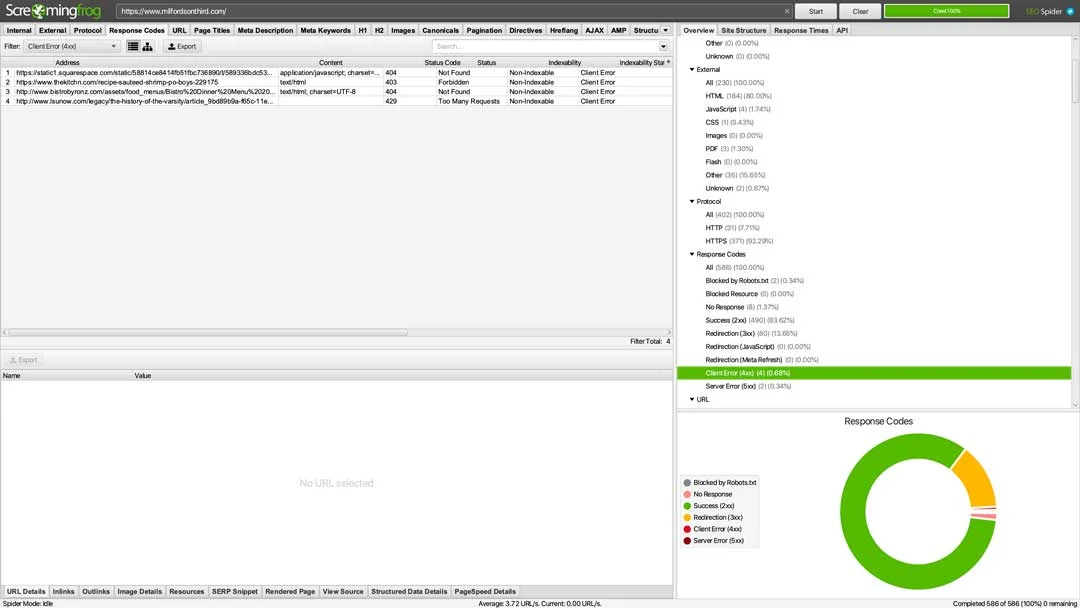
With all of your links working, bots (and people) can easily navigate your website, which can help improve your SEO ranking.
2. Improve your website’s load time
Your website’s load time is the amount of time it takes for your web pages to load when someone tries to visit them.
How does load time affect SEO?
A slow-loading website can hurt your SEO ranking because it frustrates users and makes them less likely to want to stay on your site.
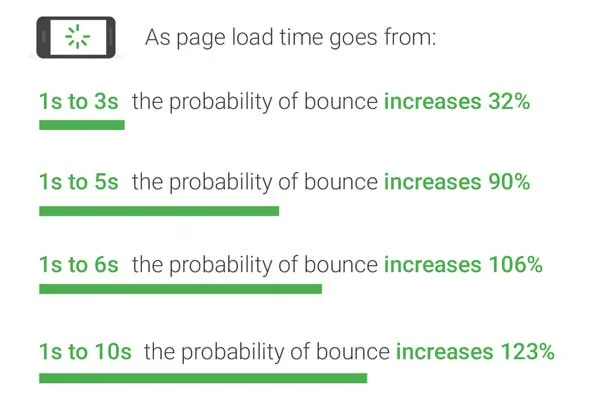
Instead of waiting for a slow site to load, users will “bounce,” or leave your site immediately. When users bounce, it tells search engines that your site is not relevant or helpful to users, hurting your SEO ranking.
Quick wins are a start, not a strategy. The longer program lives on our Baton Rouge SEO page.
Want this handled for you? We build and market websites for Louisiana businesses, and we will tell you honestly if you do not need us.
How to improve your website’s load time:
There are several ways you can improve your website’s load time, including:
- optimizing images by reducing their file size
- compressing files
- using a content delivery network (CDN)
- minifying code
Remember, the goal is to make your website as fast as possible. A faster website will improve the user experience, which can help improve your SEO ranking.
3. Improve your website’s security
A secure website is a website that is protected from hackers and malware. And search engines like Google take website security very seriously. In fact, they have even said that website security is a ranking factor.
So, if your website is not secure, it could hurt your SEO ranking.
How to improve your website’s security:
There are many ways you can improve your website’s security, including:
- using a strong password
- installing an SSL certificate
- keeping your WordPress site up to date (including updating your PHP version)
‘SSL for #SEO’ the 2022 Google Ranking Mantra – Security Boulevard https://t.co/EZbqbUvSd6
AJ Ghergich (@SEO) June 9, 2022
Since Google’s SSL Update on October 1, 2017, websites that are not using an SSL certificate have been labeled as “Not Secure.” So, if you’re not using an SSL certificate, now is the time to install one. Not only will it help improve your website’s security, but it will also give you a minor SEO boost.
4. Use keyword-rich titles and descriptions.
When creating titles or descriptions for your web pages, include relevant keywords.
Why?
When you include keywords in your titles and descriptions, you’re helping search engines understand what your pages are about, which can help improve your SEO ranking.
For example, let’s say you have a blog post about how to make the perfect banana bread recipe.
Your title could be: “The Best Banana Bread Recipe: Easy, moist, and delicious!”
Your title should include the keyword (banana bread) and a description of what your page is about (the perfect banana bread recipe).
Broken links signal low quality to search engines; find them with a crawler like Screaming Frog and redirect each one to a working page.
5. Use header tags
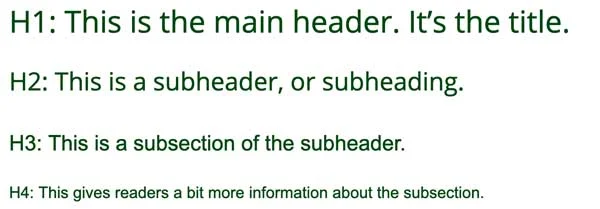
Header tags are HTML tags used to indicate the headings on a web page. They range from <h1> (the largest heading) to <h6> (the smallest heading).
Header tags are important because they help break up your content into manageable sections.
They also allow you to include relevant keywords in your headings, which can help improve your SEO ranking.
For example, let’s say you have a blog post about the best ways to improve your website’s SEO ranking.
Your headings could be:
<h1>11 Quick SEO Wins You Can Do Yourself</h1>
<h2>1. Fix broken links</h2>
<h2>2. Improve your website’s load time</h2>
<h2>3. Improve your website’s security</h2>
<h2>4. Use keyword-rich titles and descriptions</h2>
<h2>5. Use header tags</h2>
As you can see, each heading includes a relevant keyword (SEO, website, load time, security, titles, descriptions, header tags). This will help search engines understand what your page is about and, as a result, can help improve your SEO ranking.
Plus, your visitors who use screen readers will appreciate the fact that you’ve used header tags, as the readers use them to navigate web pages.
This leads us to the next heading:
6. Make sure your website is accessible to all users
An accessible website is one that can be used by everyone, regardless of ability.
Why is accessibility important?
Because it’s not just the right thing to do – it’s also good for your SEO ranking.
That’s because Google has said they’re working on making their algorithms more “accessible friendly.” In other words, they’re giving preference to websites accessible to all users, including those with disabilities.
🔎 Did you know that Web #Accessibility & #SEO go hand in hand?
DJ-Extensions.com (@DJExtensions) March 24, 2022
Reap the maximum benefits – make your #website easy to discover & #accessible by your target audience (including people with disabilities).
👉 https://t.co/i2PdWZaaS5 #wcag #ada #section508 pic.twitter.com/a1aQLvif8v
How to make sure your website is accessible:
There are many ways you can make sure your website is accessible, including:
- using clear and concise language
- providing alt text for images
- using descriptive links
- including captions for videos
Making your website accessible will not only improve your SEO ranking but also make it more user-friendly for everyone.
7. Optimize your images
Images are an essential part of any website – they help break up the text, and they can also help improve your SEO ranking.
How?
By optimizing your images.
Image optimization is the process of reducing an image’s file size without sacrificing quality.
Why is this important?
Because smaller file sizes mean faster load times, which in turn mean better SEO. In fact, Google has said that site speed is a ranking factor.
How to optimize your images:
There are several ways you can optimize your images, including:
- resizing images
- compressing images
- using the correct file format
- using alt text
Resizing your images can reduce their file size, thereby improving your website’s load time.
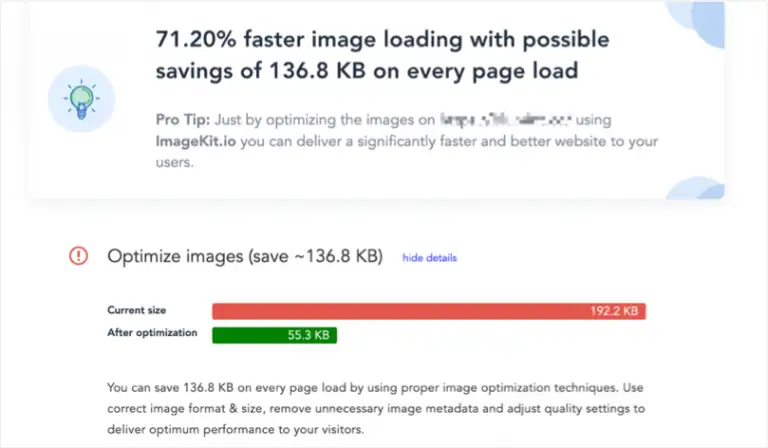
Compressing your images can also help reduce their file size without sacrificing quality.
And using the correct file format – such as JPEG for photos and PNG for graphics – can also help reduce file size.
Finally, using alt text – a short description of an image – can help search engines understand what an image is about, improving your SEO ranking.
“Blaksheep Creative was such a pleasure to work with. Great service and even better results!”
8. Use internal links
Internal links connect one page on your website to another.
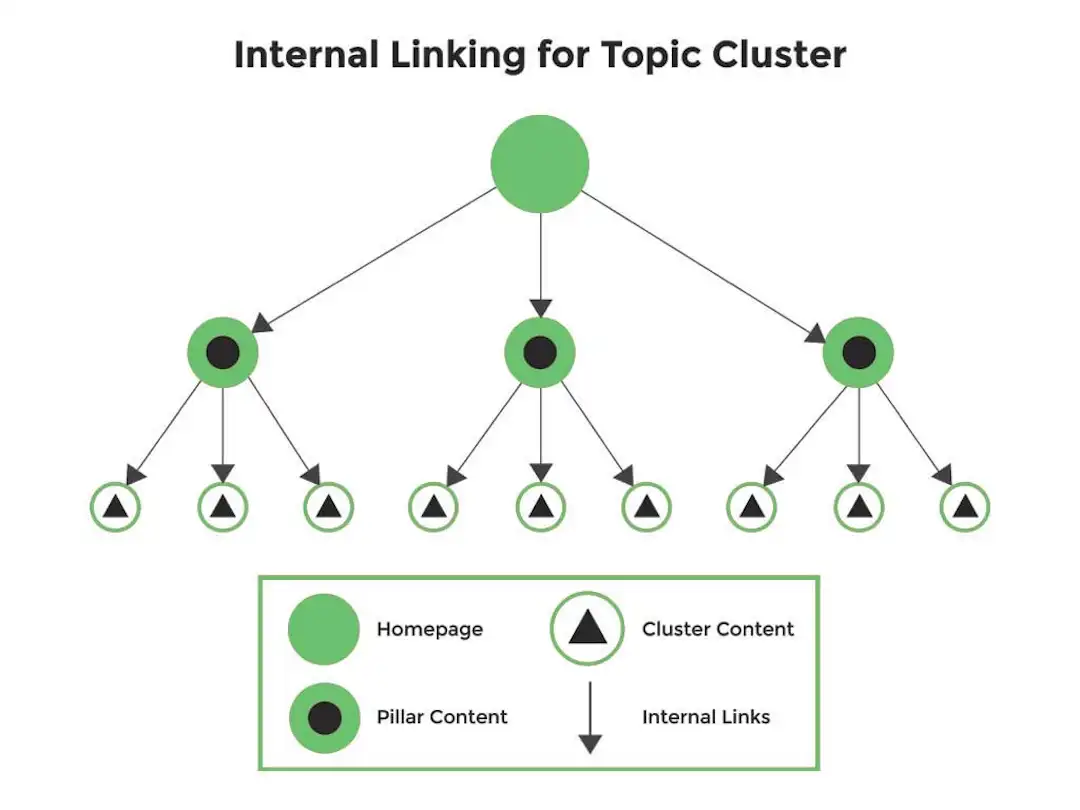
Why are they important?
Because they help search engines understand the structure of your website, and they can also help improve your SEO ranking.
How?
By giving search engines an easy way to crawl – or explore – your website.
And by providing visitors with an easy way to navigate your website.
For example, if you have a blog post about the best ways to improve your website’s SEO ranking, you could include internal links to other blog posts on your website, such as:
- How to Optimize Your Website for GoogleRankBrain
- 10 On-Page SEO Tips You Need to Know
- 11 Quick SEO Wins You Can Do Yourself
Doing so would help improve your website’s SEO ranking and provide your visitors with more information – and more value – which can lead to longer time on site, lower bounce rates, and higher conversion rates.
9. Use external links
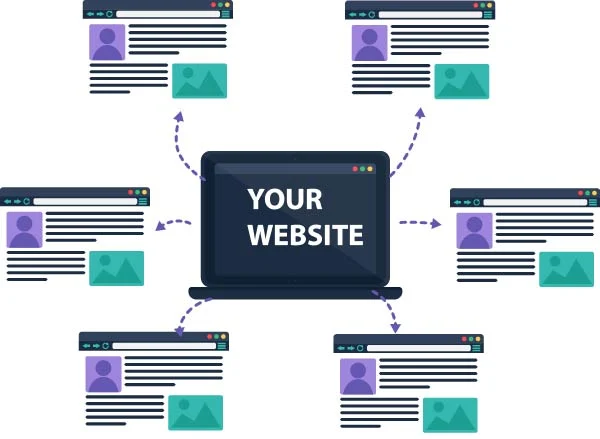
External links are links that go from your website to another website.
Why are they important?
Because they help search engines understand what your website is about, and they can also help improve your SEO ranking.
How?
By giving search engines an easy way to find other websites related to your website.
And by providing visitors with an easy way to find more information about the topics you’re discussing on your website.
For example, if you’re writing a blog post about the best ways to improve your website’s SEO ranking, you could include external links to articles on other websites, such as:
- How Google’s Search Algorithm Works
- The 10 Most Important Ranking Factors for Google
- What is SEO? A Comprehensive Guide to Search Engine Optimization
Doing so would help improve your website’s SEO ranking and provide your visitors with more information – and more value – which can lead to longer time on site, lower bounce rates, and higher conversion rates.
10. Promote your content
Creating great content is only half the battle – you also need to promote it if you want people to see it.
There are many ways you can promote your content, including:
- sharing it on social media
- sending it to your email list
- submitting it to directories and aggregators
- posting it on forums and message boards
- including it in your RSS feed
Doing so will help improve your website’s SEO ranking by getting more people to see – and share – your content.
Slow pages make visitors bounce, and that bounce tells search engines the page is not helpful, so compress images, minify code, and use a CDN.
11. Publish high-quality content
To rank higher in search engines, you must publish high-quality content.
What is high-quality content?
High-quality content is well-written, informative, and engaging. It should also be relevant to your target audience.
Creating high-quality content can be time-consuming. But it’s worth it because it can help improve your SEO ranking.
And the good news is that once you create high-quality content, you can repurpose it and use it in other marketing channels, such as email marketing and social media.
Want to see what happens when you skip these SEO basics? We tore down a real website that did everything wrong, from slow load times and broken links to zero internal linking. Read our Dumpster Blog SEO Audit for a front-row seat to common mistakes, and how to avoid them.
Wrap Up
Bear in mind that SEOs believe that there are over 200 factors that can affect your website’s ranking on search engines.
And while some of those factors are out of your control, such as the age of your domain, there are many quick and easy wins you can do yourself to improve your website’s SEO ranking.
If you start with these 11 simple things, you’ll be well on your way to better search engine rankings.
If you need any help implementing these strategies, don’t hesitate to get in touch with us. Our team here at BlakSheep Creative specializes in SEO, and we would be happy to help you boost your website’s ranking.
Check out our blog to stay up-to-date on the latest SEO tips and tricks!
Wondering if your SEO is actually getting traction, or where to focus next? Let’s diagnose it in a 15-minute Discovery Call.
About the author

Founder & Lead Developer · Denham Springs, LA
Clint has built and marketed websites for 26 years, since founding BlakSheep Creative in 2000. He is also a 29-year firefighter and a 23-year member of IAFF Local 557, which is where the bias toward plain answers over sales copy comes from.
- Veteran-owned
- Firefighter-owned
- IAFF Local 557
Common questions about SEO
How do I find broken links on my website?
Does an SSL certificate help SEO?
How does page load time affect rankings?
Which image format should I use on my website?
What is the difference between internal and external links?
How do I make my website more accessible?

Your next step, without the guesswork
No surprises, clear next steps, and a fixed price before anything starts.