
By Clint Sanchez · Published · Updated · 5 min read
Quick answer
Ranking higher in search comes from four kinds of work done together: on-page optimization (keyword research, quality content, meta tags, clean URLs, internal links), off-page authority (backlinks from guest posts, social engagement, and influencer outreach), technical SEO (mobile-friendly design, fast load times, SSL, XML sitemaps), and local SEO (Google Business Profile, directories, local keywords). Analytics show what is working, and algorithm changes require ongoing adjustment.
Key takeaways
- SEO breaks into three main areas: on-page optimization, off-page optimization, and technical SEO.
- On-page work covers keyword research, content that uses keywords naturally, meta tags written for click-through, concise URLs, and internal links.
- Backlinks are the core of off-page SEO, earned through guest blogging, social media engagement, and influencer outreach.
- Technical SEO essentials are mobile optimization, site speed, an SSL certificate, and an XML sitemap.
- Social media does not directly affect rankings but drives traffic and visibility that can lead to backlinks.
- Not all links help; quality backlinks from reputable sites raise authority while low-quality ones do not.
- Search engines update their algorithms continually, so SEO is an ongoing process rather than a one-time task.
For a Baton Rouge business the local SEO section is the one that pays first. Searches for a plumber, roofer, or dentist here are parish-specific: someone in Denham Springs searches differently than someone in Prairieville, and Google Business Profile plus local directory listings decide who shows up in the map results before any backlink campaign does.

Want this handled instead of DIY?
A 15-minute call, no script, no pressure. You leave with a plan either way.
Search engine optimization is no longer optional for a business that wants to be found. With the right strategies in place, SEO can be a big improvement, propelling your website to the forefront of search engine results and keeping it there. This comprehensive guide is dedicated to unraveling the complexities of SEO, presenting you with actionable insights and proven strategies to enhance your website’s ranking.
Understanding the Core of SEO
SEO is the process of optimizing your website to increase its visibility in search engine results pages (SERPs) for specific queries. The objective is to attract organic traffic by ranking higher in search results. This involves a multifaceted approach, including on-page optimization, off-page optimization, and technical SEO.
On-Page Optimization: The Foundation of Your SEO Strategy
- Keyword Research: Identifying the right keywords is important. Use tools like Google Keyword Planner to find keywords relevant to your business.
- Content Creation: Create high-quality, engaging content that incorporates your target keywords naturally.
- Meta Tags and Descriptions: These should be crafted to include relevant keywords and encourage click-throughs from search results.
- URL Structure: Use SEO-friendly URLs that are concise and include target keywords.
- Internal Linking: This helps search engines understand the structure of your site and the importance of each page.
Here are some of the important on-page items from one of the most commonly used SEO plugins for WordPress, Yoast:
Want this handled for you? We build and market websites for Louisiana businesses, and we will tell you honestly if you do not need us.
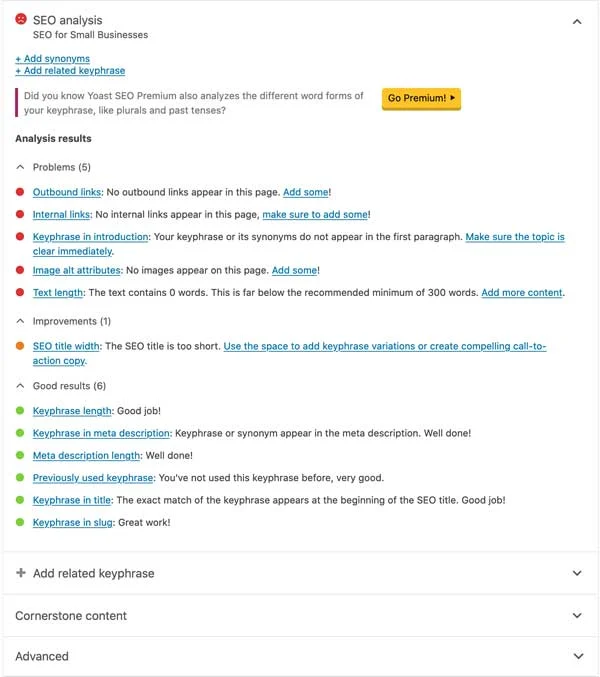
On-page optimization tailors your content, structure, and HTML source code to what search engines can read and what readers actually want.
Off-Page Optimization: Building Your Website’s Authority
Off-page optimization refers to actions taken outside your website to impact your rankings within search engine results pages. This primarily involves building backlinks, which are links from other websites to yours. Strategies for off-page optimization include:
- Guest Blogging: Contribute articles to other websites in your industry to get backlinks.
- Social Media Engagement: Active engagement on social media can drive traffic to your website and enhance your brand’s visibility.
- Influencer Outreach: Collaborating with influencers can result in valuable backlinks and increased exposure.
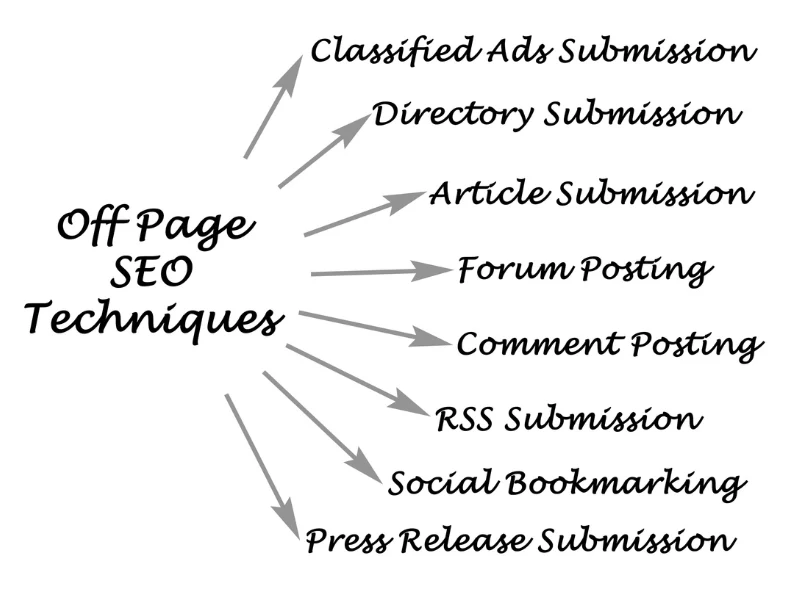
Here are some of the most commonly used off-page tactics:
Technical SEO: Building a Fast, Crawlable Site
Technical SEO focuses on improving the technical aspects of your website to enhance its ranking. Key elements include:
- Mobile Optimization: With the increasing prevalence of mobile devices, make sure your website is mobile-friendly.
- Site Speed: Faster loading times improve user experience and can positively affect rankings.
- Secure Sockets Layer (SSL): SSL certificates are important for website security and are favored by search engines.
- XML Sitemaps: These help search engines crawl your site more effectively.
SEO breaks into three main areas: on-page optimization, off-page optimization, and technical SEO.
Content is King: Crafting Quality Content
Quality content is at the heart of successful SEO. It’s not just about stuffing keywords; it’s about providing value to your audience. Content should be informative, engaging, and relevant to your target audience. Regularly updating your website with fresh content can also boost your SEO efforts.
Leveraging Analytics to Refine Your SEO Strategy
Analytics play a pivotal role in SEO. Tools like Google Analytics provide insights into how visitors interact with your website. This data can be used to refine your SEO strategy, identify what’s working and what’s not, and make informed decisions.
Local SEO: Optimizing for Local Searches
For businesses targeting local customers, local SEO is essential. That means optimizing your Google Business Profile listing, getting listed in local directories, and writing pages that name the places you actually serve.
“BlakSheep Creative rocks! Clint was super helpful in putting together our website and offered suggestions that really put us on the right track. If you are looking for help with any of your "creative" needs look no further.”

The Role of Social Media in SEO
While social media does not directly impact SEO rankings, it significantly drives traffic and enhances brand visibility. Active social media profiles can lead to more backlinks and a broader audience reach.
Link Building: A Cornerstone of SEO Success
Link building is one of the most challenging yet rewarding aspects of SEO. Quality backlinks from reputable sites significantly boost your website’s authority and rankings. It’s important to remember, however, that not all links are good links.
The links worth having come from relationships and from content other sites want to point at, not from a bought list.
Adapting to Algorithm Changes: Staying Ahead in SEO
Search engines are continually updating their algorithms. Staying informed about these changes and adapting your strategies is important for maintaining and improving your rankings. For instance, understanding the intricacies of Google’s algorithm can give you a significant edge. If you’re curious about the latest insights, check out our comprehensive analysis of the Google Search Document Leak: Revealing the Secrets of SEO to stay ahead in the ever-evolving world of SEO.
Key Takeaways
SEO is an ongoing process, not a one-time task. Work the four areas together, watch what the analytics say, and adjust. If you want a read on where your site stands right now, start with a free SEO audit.
Wondering if your SEO is actually getting traction, or where to focus next? Let’s diagnose it in a 15-minute Discovery Call.
About the author

Founder & Lead Developer · Denham Springs, LA
Clint has built and marketed websites for 26 years, since founding BlakSheep Creative in 2000. He is also a 29-year firefighter and a 23-year member of IAFF Local 557, which is where the bias toward plain answers over sales copy comes from.
- Veteran-owned
- Firefighter-owned
- IAFF Local 557
Common Questions About SEO Strategies
Short answers to the questions that come up most on this topic.
What is on-page SEO?
What is off-page SEO?
What does technical SEO include?
Does social media help SEO?
How do I use analytics to improve SEO?
How often do I need to update my SEO?

Your next step, without the guesswork
No surprises, clear next steps, and a fixed price before anything starts.