By Clint Sanchez · Published · Updated · 6 min read
Quick answer
The Google search document leak was the release of thousands of internal Content API Warehouse documents on GitHub by an automated bot in March 2024, later shared with SparkToro co-founder Rand Fishkin. The files list 2,596 modules with 14,014 attributes used in ranking, including click metrics such as goodClicks and lastLongestClicks, a siteAuthority score, Chrome browser data, re-ranking functions called twiddlers, and demotion triggers, without disclosing how each factor is weighted.
Key takeaways
- The documents came from Google's internal Content API Warehouse and were published on GitHub on March 13 by an automated bot named yoshi-code-bot before reaching Rand Fishkin of SparkToro.
- The documentation lists 2,596 modules with 14,014 attributes that influence ranking, but not the weight of any of them.
- Google tracks click quality with metrics named badClicks, goodClicks, lastLongestClicks, and unsquashedClicks.
- A siteAuthority value exists in the documents, along with stored author information used to judge who wrote a page.
- A module called ChromeInTotal shows that user behavior data from the Chrome browser feeds into search ranking.
- Twiddlers are re-ranking functions that adjust a document's position after the main ranking pass.
- Content can be demoted for link mismatches, user dissatisfaction signals, product review quality, location issues, exact match domains, and inappropriate content.

Want this handled instead of DIY?
A 15-minute call, no script, no pressure. You leave with a plan either way.
In an astonishing turn of events, a massive leak of Google’s internal documents has provided unprecedented insights into the search giant’s ranking algorithm. For digital marketing professionals, this revelation could be a big shift. At BlakSheep Creative, we’re committed to staying ahead of the curve, and this latest news underscores the importance of SEO in driving digital success.
The Leak
The release of these documents marks a pivotal moment in understanding Google’s ranking algorithm. On March 13, an automated bot named yoshi-code-bot released thousands of documents from Google’s internal Content API Warehouse on GitHub. These documents were subsequently shared with Rand Fishkin, co-founder of SparkToro, earlier this month. This leak is set to be one of the most significant events in the history of SEO.
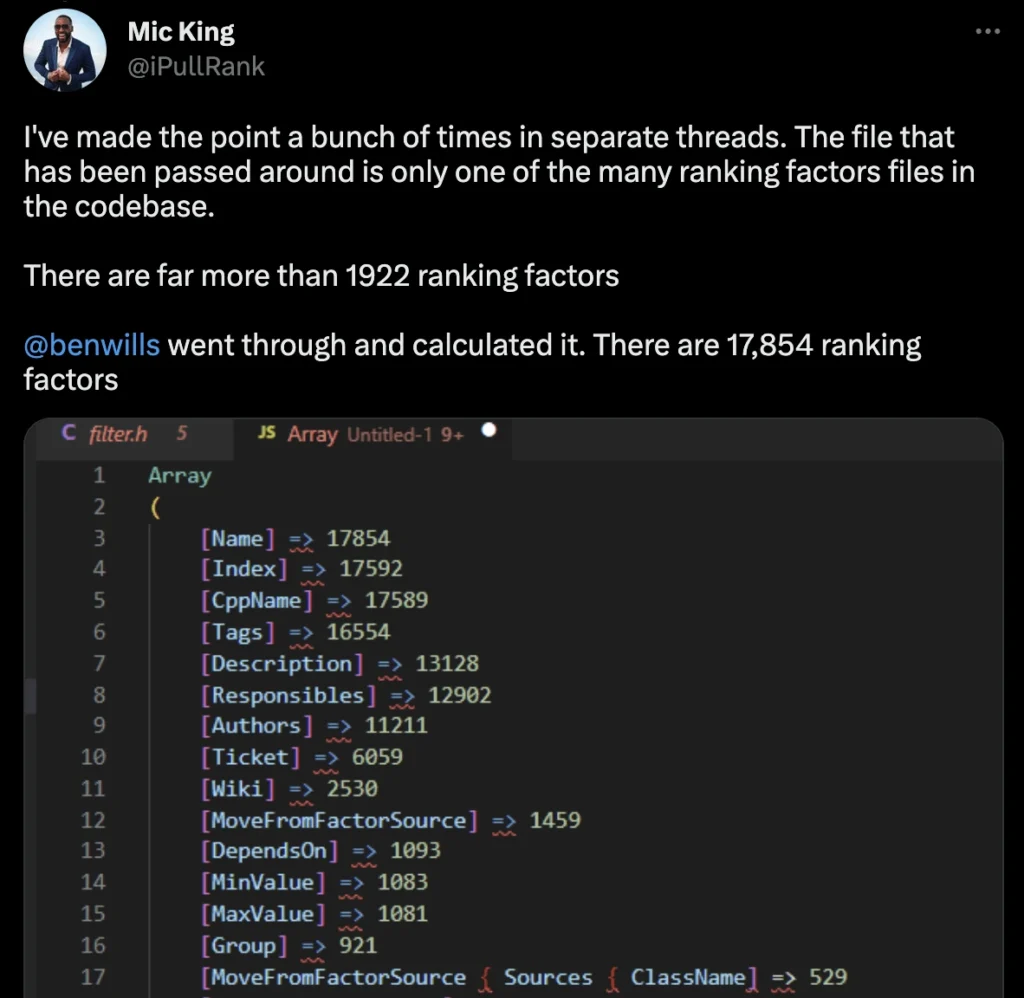
These documents are not just a casual peek behind the curtain; they provide a close look at the mechanics behind search engine rankings. The leak is monumental, comparable to the Yandex Search ranking factors leaked in 2023. For SEOs and digital marketers, understanding these inner workings is critical for refining strategies and improving outcomes.
Understanding these inner workings for SEOs and digital marketers is critical for refining strategies and improving outcomes. Learn more about Google’s E-E-A-T and how it impacts your SEO strategy.
Why This Matters
Understanding the implications of this leak is important for digital marketers and SEOs. For digital marketers and SEOs, understanding Google’s ranking algorithm is important. This leak offers a rare glimpse into the mechanics behind search engine rankings, providing invaluable information to refine strategies and improve outcomes.
Want this handled for you? We build and market websites for Louisiana businesses, and we will tell you honestly if you do not need us.
Access to this detailed information allows SEOs to tailor their approaches more precisely, making sure that their strategies align with Google’s ranking criteria. By leveraging these insights, digital marketers can enhance their effectiveness, drive more qualified traffic, and improve overall search performance for their clients.
Key Takeaways from the Documents
The leaked documents offer a wealth of insights into Google’s ranking algorithm.
Current Information
The documents provide the latest insights into Google’s processes as of March. They are up-to-date and offer fresh insights. This currency is important because the digital landscape and Google’s algorithms constantly evolve. Access to the latest information makes sure that SEOs can adjust their strategies promptly.
The insights from these documents highlight the importance of staying informed about changes and updates within Google’s algorithms. By keeping up-to-date, SEOs can better anticipate shifts and remain agile in their optimization efforts.
Ranking Features
Google’s ranking algorithm comprises a complex array of features. The documentation reveals 2,596 modules with 14,014 attributes that influence ranking. This complexity underscores the multifaceted nature of Google’s algorithm, which considers many factors when ranking content.
Understanding the breadth of these modules allows SEOs to appreciate the depth of Google’s evaluation process. This knowledge helps create comprehensive SEO strategies that address multiple aspects of content performance. Discover what Google considers when evaluating your site’s quality.
Weighting
The weight of each ranking feature remains undisclosed. While the documents detail the existence of ranking features, they do not specify their individual weightings. This ambiguity means that while SEOs know which factors are considered, the exact influence of each remains unclear.
This uncertainty highlights the importance of a holistic approach to SEO. Instead of focusing on a single factor, SEOs should aim to optimize across all known attributes, making sure a balanced and effective strategy.
Twiddlers
Twiddlers play a important role in re-ranking content. These re-ranking functions can adjust or change a document’s ranking, showcasing the dynamic nature of Google’s algorithm. Twiddlers allow Google to fine-tune rankings based on specific criteria, reflecting the algorithm’s adaptability.
The presence of twiddlers emphasizes the need for continuous monitoring and adjustment of SEO strategies. SEOs can maintain or improve their rankings by staying responsive to changes even as Google’s criteria evolve.
Demotions
Understanding demotion factors is important for maintaining high rankings. Content can be demoted for various reasons, including link mismatches, user dissatisfaction signals, product reviews, location issues, exact match domains, and inappropriate content. Understanding these demotion triggers helps SEOs avoid pitfalls that could negatively impact their rankings.
Avoiding these demotion factors is important for maintaining high rankings. SEOs can minimize the risk of demotion and sustain their visibility by making sure that content meets Google’s quality standards and aligns with user expectations.
What This Means for SEO
The implications of these insights are profound for SEO strategies.
Links
The role of links in SEO remains significant, and the importance of link diversity and relevance is reaffirmed. PageRank remains a significant factor in Google’s ranking features. This means that building a solid and diverse backlink profile is essential for SEO success.
Focusing on link quality rather than quantity is important. SEOs should seek out reputable, relevant sites for backlinks, as this will enhance their PageRank and overall search performance.
Successful Clicks
Clicks are a critical metric for Google’s ranking algorithm. Creating compelling content and exceptional user experiences is essential. To evaluate content performance, Google uses various click metrics like badClicks, goodClicks, lastLongestClicks, and unsquashedClicks. Making sure users find content engaging and valuable is important to successful clicks.
Investing in high-quality content creation is more important than ever. SEOs can improve their click metrics and search rankings by providing value and maintaining a user-centric approach.
Brand Importance
Building a strong brand is more important than ever. Building a notable, popular, and well-recognized brand outside of Google search is critical for improving organic rankings. This underscores the value of a strong brand presence and consistent marketing efforts.
Brand building should be a core component of any SEO strategy. By fostering a strong, recognizable brand, businesses can enhance their credibility and appeal, leading to better search performance and customer loyalty.
Entities and Site Authority
Site authority and entity recognition are key components of Google’s algorithm. Google stores author information and assesses if an entity is the author of a document. It uses a concept called “siteAuthority” to evaluate site quality. Making sure that content is authored by credible entities and maintaining high site authority is important.
Building site authority involves consistently producing high-quality, authoritative content. Businesses can improve their site authority and boost their search rankings by establishing a reputation for expertise and reliability.
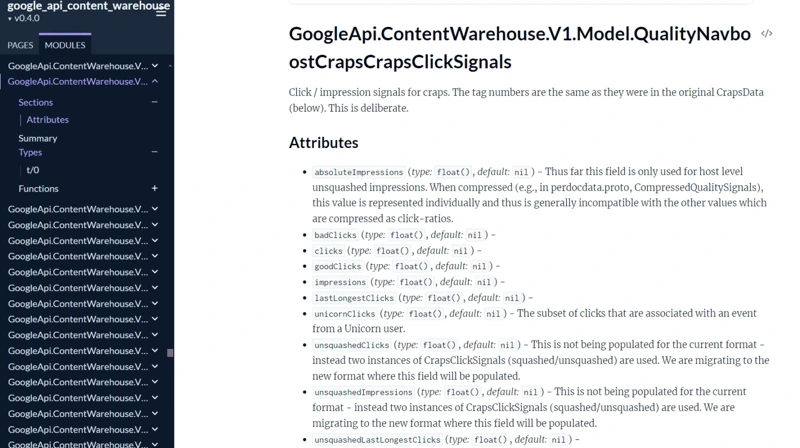
Screen capture of leaked data detailing “good” and “bad” clicks, including the duration of clicks (i.e., how long a visitor stays on a webpage they clicked from Google’s search results before returning to the search results).
Chrome Data
User behavior data from Chrome influences rankings. Google utilizes data from its Chrome browser for search ranking through a module called ChromeInTotal. This indicates that user behavior on Chrome can influence search rankings, adding another layer of complexity to SEO.
Understanding how Chrome data impacts rankings can provide additional insights for optimization. SEOs should consider how their content performs on Chrome and seek to enhance user experience on this platform to improve their search rankings.
Whitelists
Google’s use of whitelists for specific domains makes sure content reliability. Google maintains whitelists for certain domains related to elections and COVID-19, indicating its effort to make sure the reliability of specific content. This practice underscores the importance of credibility and accuracy in content.
Making sure that content is trustworthy and accurate is essential. By adhering to high standards of quality and reliability, businesses can position themselves as authoritative sources and enhance their search performance.
The documentation lists 2,596 modules with 14,014 attributes that influence ranking, but not the weight of any of them.
Insights for Website Owners
Website owners can benefit immensely from these revelations. At BlakSheep Creative, we understand the pivotal role of SEO in digital marketing. This leak allows us to enhance our strategies further and deliver exceptional results for our clients.
- Focus on Link Diversity and Relevance: Make sure your backlinks are diverse and relevant to boost your PageRank and improve your search rankings.
- Enhance User Experience: Create high-quality, engaging content that meets your audience’s needs to drive successful clicks.
- Build a Strong Brand: Build a recognizable and respected brand outside of Google search to improve your organic rankings.
- Monitor Authoritative Content: Make sure that content is authored by credible entities and maintain high site authority.
- Utilize Chrome Data: Leverage insights from Chrome data to optimize your site’s performance and user experience.
Conclusion
This leak is a monumental event in the world of SEO, offering insights that can transform digital marketing strategies. At BlakSheep Creative, we leverage this information to benefit our clients and stay at the forefront of digital marketing innovation. If you’re ready to take your SEO strategy to the next level and drive your business to new heights with data-driven, innovative SEO solutions, contact BlakSheep Creative today. Let’s harness these insights together and achieve remarkable digital success. Fill out the form below to get started today!
Wondering if your SEO is actually getting traction, or where to focus next? Let’s diagnose it in a 15-minute Discovery Call.
About the author

Founder & Lead Developer · Denham Springs, LA
Clint has built and marketed websites for 26 years, since founding BlakSheep Creative in 2000. He is also a 29-year firefighter and a 23-year member of IAFF Local 557, which is where the bias toward plain answers over sales copy comes from.
- Veteran-owned
- Firefighter-owned
- IAFF Local 557
Common Questions About the Google Search Document Leak
Short answers to the questions that come up most on this topic.
What is the Google Content API Warehouse?
Did the leak reveal how much each ranking factor is weighted?
What are twiddlers in Google search?
Does Google use Chrome data for rankings?
Do links still matter after the Google leak?
What should a small business change because of the leak?

Your next step, without the guesswork
No surprises, clear next steps, and a fixed price before anything starts.