
By Clint Sanchez · Published · Updated · 6 min read
Quick answer
To increase blog conversion rates, write headlines that earn the click, use emotionally charged power words, build each post around one reader problem and its solution, add a clear and persuasive call to action, place CTAs and accessible forms where readers can find them, use real images instead of stock photos, write for a defined audience, promote every post through social media and SEO, keep paragraphs short, edit for errors, and A/B test.
Key takeaways
- Most people read a headline but far fewer read the full post, so the headline decides if the rest of the content gets a chance to convert.
- Power words such as new, love, results, discover, easy, and secrets trigger an emotional response and lift conversions in headlines.
- Each post should focus on a single problem and a single solution so readers are not overwhelmed.
- A call to action must be clear, relevant to the post, and achievable, and forms must work for screen readers or you block leads at the finish line.
- Obvious stock photos hurt credibility; real photos and video of your work convert better.
- Promotion through social media, SEO, email, guest posts, and outreach to past commenters is what gets a post read in the first place.
- A/B testing headlines, CTAs, and images, and reading the analytics, is how you learn what converts your specific audience.

Want this handled instead of DIY?
A 15-minute call, no script, no pressure. You leave with a plan either way.
Conversions are the lifeblood of any business with an online presence. If you’re not converting your website visitors into leads or customers, you’re not doing enough to grow your business.
Fortunately, there are several things you can do to increase your blog conversion rate. Here are a few solid strategies to get more conversions from your blog content:
1. Write Compelling Headlines
Your headline is the first thing people will see when they come across your blog post. Make sure it’s exciting and catches their attention so they’ll want to read the rest of your post.
Headlines are the most important part of any blog post. Far more people read the headline than ever read the post. That is why the headline earns its own drafting time: it has to draw readers in and give them a reason to keep going.
2. Use Power Words
Including powerful words in your blog post can make a big difference in how persuasive it is. Power words are emotionally charged words that can trigger an automatic response in your reader.
Our favorite power words to use in headlines are new, love, results, discover, easy, and secrets. We’ve found these to be incredibly effective in boosting conversions. Here are some others:

3. Write Benefit-Driven Content
Your content should be focused on providing value and solving problems for your readers. If it’s not, they’re not going to see any reason to convert.
Want this handled for you? We build and market websites for Louisiana businesses, and we will tell you honestly if you do not need us.
The best way to make sure your content is benefit-driven is to start with the problem your reader is trying to solve and then craft your content around that. Remember to make sure each piece of content is focused on a single issue and solution, so your readers don’t get overwhelmed.
4. Write persuasive calls to action
A call to action (CTA) is a statement or button that tells the reader what you want them to do next. It could be something as simple as “click here to learn more” or “sign up for our newsletter.”
Your CTA should be clear, concise, and relevant to the topic of your blog post. Most importantly, it should be persuasive enough to encourage your reader to take action.
Your CTA is where the rubber meets the road. It’s what you want your reader to do, so make sure it’s something that’s actually achievable. Anything else is just wasted time and effort.
Most people read a headline but far fewer read the full post, so the headline decides if the rest of the content gets a chance to convert.
5. Optimize your blog for conversions
Make it easy for your readers to convert by including prominently placed CTAs and forms on your blog. You can also use conversion tracking tools to see how people interact with your blog and what prevents them from converting.
Don’t make your readers search for a way to convert. Include CTAs and forms strategically, so they’re easy to find. Remember, if people can’t find it, they won’t convert.
Also, make sure those forms actually work for everyone. If your forms aren’t accessible to screen readers, you are silently blocking potential leads at the finish line.
6. Use images and videos
People are more likely to read and engage with content that includes images or videos. Adding visual elements to your blog posts can help break up the text and make your content more engaging.

Please don’t use stock photos like the one above. People can spot them a mile away, and they’re just not believable. Instead, use real photos or videos that help to illustrate your point. After all, a picture is worth a thousand words.
7. Write for your audience
It’s essential to know your target audience and write specifically for them. Your blog content should be relevant to their interests and needs. If you’re unsure who your target audience is, consider doing market research.
Writing without your audience in mind is like shooting an arrow in the dark. You might hit your target, but chances are you won’t. Keep your audience in mind and craft content that speaks to them.
“Clint was incredible to work with! He was everything you need - quick to communicate from beginning to end, professional, flexible when I had questions and asked for extra options, and SO fast on his turnaround time. I would recommend Blaksheep Creative to everyone!”

8. Promote your blog
Blah, Blah, Blah. The web is full of noise. If you want people to read your blog, you must make sure they find it. That means promoting it on social media and other platforms where your target audience is likely to hang out.
Don’t neglect SEO, either. It’s one of the best ways to get found online and drive organic traffic to your blog. Make sure each blog post is optimized with keywords related to the topic and use SEO best practices.
You can also reach out to people in your niche with an audience and ask them to share the post, and circle back to readers who commented on earlier posts.
There are several ways to promote a blog post, including:
- Share it on social media
- Include a CTA in your email signature
- Guest post on other blogs in your niche
- Email it to your list
- Put paid budget behind the posts that already convert
There is no one-size-fits-all promotion plan. Try a few tactics and keep the ones that bring readers who convert.
9. Keep it short and sweet
People have short attention spans, so making your blog posts easy to read and digest is essential. Write in short paragraphs with lots of white space and use clear, simple language.
“No one wants to look at a giant wall of text. Breaking your content up into smaller chunks makes it easier to read and more enjoyable.”
Clint L. Sanchez – BlakSheep Creative
10. Edit, edit, edit
Make sure you proofread your blog post and edit it for clarity before hitting publish. Typos and grammatical errors can make you look unprofessional and turn off your readers.
People will literally laugh at you if you have typos in your blog post. Don’t let that happen to you. We see it all the time. There’s a local business podcaster who spells like a 3rd grader.
Did you catch that? A business podcaster. It’s inexcusable, and it makes the human race look bad. So, edit your blog post before hitting the publish button.
11. Test, test, test
Finally, test different aspects of your blog to see what works best for your audience. Try A/B testing different headlines, CTAs, images, and so on. Pay attention to your analytics to identify which changes result in more conversions.
Want to see what happens when a blog fails to convert (or even rank)? Check out our SEO audit of a real dumpster fire. See the SEO Dumpster Fire Audit.
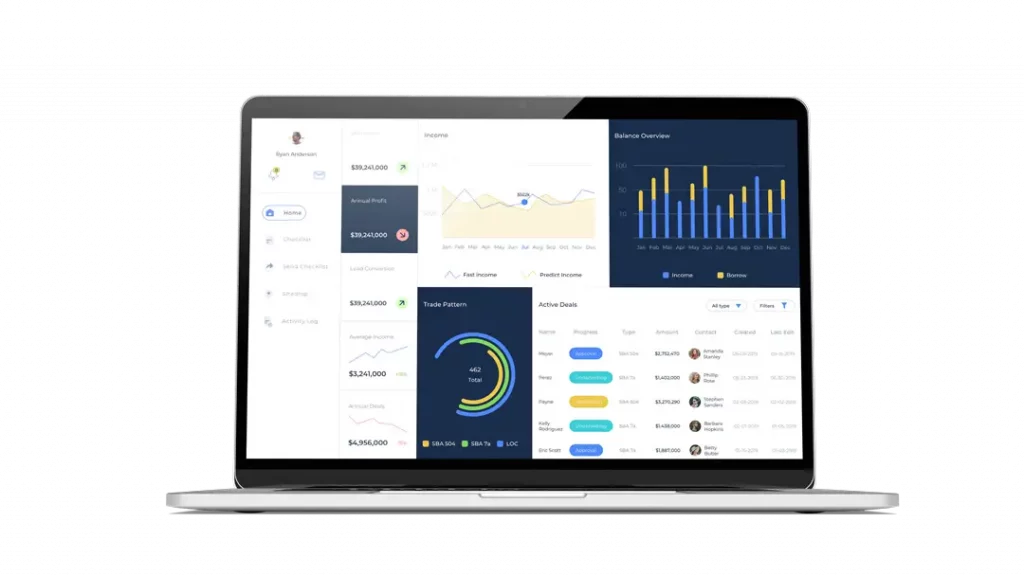
Testing is to conversions what oxygen is to fire. You need it to keep things going. A marketer who doesn’t use actual data is like a cook who doesn’t taste their food.
Take the time to test different elements of your blog posts, and use the data you collect to create content that resonates with your target audience. That is how you get the most out of the hours you put into blogging.
The bottom line is that writing great content for your blog takes time and effort. But it pays off. Follow these tips and you can create content your audience actually reads, drive traffic to your blog, and turn that traffic into leads.
Tired of paying for clicks that don’t turn into calls? Talk through your specific funnel with us — 15 minutes, no sales pitch.
About the author

Founder & Lead Developer · Denham Springs, LA
Clint has built and marketed websites for 26 years, since founding BlakSheep Creative in 2000. He is also a 29-year firefighter and a 23-year member of IAFF Local 557, which is where the bias toward plain answers over sales copy comes from.
- Veteran-owned
- Firefighter-owned
- IAFF Local 557
Common Questions About Blog Conversion Rates
Short answers to the questions that come up most on this topic.
What is a good blog conversion rate?
What are power words?
Where should a call to action go in a blog post?
Do images really improve blog conversions?
How do I promote a blog post after publishing?
What should I A/B test on a blog?

Your next step, without the guesswork
No surprises, clear next steps, and a fixed price before anything starts.