
By Clint Sanchez · Published · Updated · 5 min read
Quick answer
An irresistible headline follows seven rules: keep it to roughly 6 to 8 words, use strong verbs and interesting adjectives, avoid clickbait promises the content cannot keep, include the keywords people actually search for, make it specific instead of generic, add a number or a symbol for impact, and test different versions to see which earns the most clicks. Length, honesty, and testing matter more than cleverness.
Key takeaways
- According to a Kissmetrics study, the ideal headline length is between 6 and 8 words; anything longer starts to get lost.
- Econsultancy's 2010 review of its top 100 articles found the most successful headlines used strong verbs and interesting adjectives.
- Power words such as amazing, incredible, and remarkable trigger an emotional response, but only work if the content delivers.
- Clickbait gets short-term clicks and long-term distrust; readers eventually stop clicking.
- Google Keyword Planner shows the phrases people search for, so the headline can use the words they use.
- Numbers make headlines specific: 7 Easy Steps beats Ways to Improve Your Headlines.
- Track headline performance with Google Analytics goals or an A/B test, then keep the version that wins.

Want this handled instead of DIY?
A 15-minute call, no script, no pressure. You leave with a plan either way.
Are you looking for ways to improve your headline writing skills? If so, you’re in the right place. In this article, you’ll learn how to write irresistible headlines in 7 easy steps.
Use these seven easy steps, and you’ll be well on your way to writing headlines that will dominate the competition.
Let’s dig in:
1. Keep it short – headlines should be around 6 to 8 words
According to a study by Kissmetrics, the ideal length for a good headline is between 6 and 8 words. This is because shorter headlines are easier to remember and more likely to be clicked. So, if you want people to read your headlines, keep them short and sweet.
Anything longer than eight words starts to get lost in the shuffle and may not even be read.
Want this handled for you? We build and market websites for Louisiana businesses, and we will tell you honestly if you do not need us.
2. Make it catchy – use strong verbs and interesting adjectives
Econsultancy.com did a study back in 2010 that studied its top 100 articles (by impressions) and found that the most successful headlines used strong verbs and interesting adjectives.
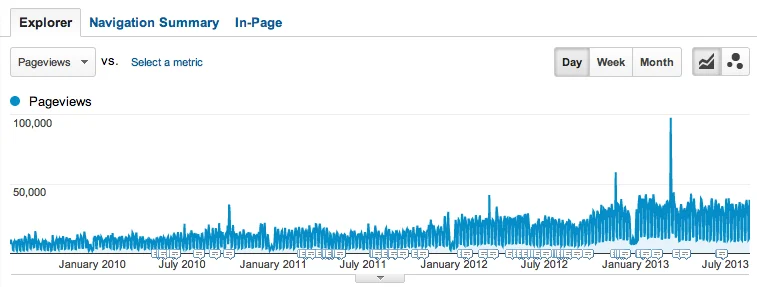
So, if you want your headlines to be successful, use catchy words that will grab people’s attention.
Power Words
Power words are words that evoke an emotional response from your readers. They are words that make people sit up and take notice.
Some examples of power words include:
- Amazing
- Incredible
- Remarkable
- Sensational
- Spectacular
3. Avoid clickbait – don’t make false promises
Clickbait is when a headline makes false promises or is misleading. For example, a headline might say, “You won’t believe what this celebrity looks like now!”
While clickbait can effectively get people to click on your headlines, it’s not a good long-term strategy. Your target audience will eventually catch on to your clickbait tactics and stop clicking on your headlines.
So, if you want people to click through to your piece of content, avoid using clickbait.
4. Write it for Google Searchers – use keywords that people are searching for
It’s no secret that Google is the king of search engines. So, if you want your headlines to be successful, you must write them for Google searchers. This means using keywords that people are searching for.
You can use tools like Google Keyword Planner to find what people are searching for. Just enter in a few relevant keywords, and it will give you a list of related keywords that people are searching for.
According to a Kissmetrics study, the ideal headline length is between 6 and 8 words; anything longer starts to get lost.
5. Make it unique – avoid generic headlines
There are millions of articles with generic headlines like “How to Lose Weight” or “10 Tips for a Better Life.” While these headlines may be technically accurate, they’re not very unique or exciting.
If you want your headlines to get noticed, you need to make them unique. An excellent way to do this is to add some personality to your headlines. For example, instead of “10 Tips for a Better Life,” you could say “10 Tips for Living Your Best Life.”
Or, instead of “How to Lose Weight,” you could say “How to Lose Weight Without Feeling Deprived.”
By adding some personality to your headlines, you’ll be able to make them more unique and more likely to be clicked on.
Create a sense of urgency
Take advantage of your target audience’s emotions by creating a sense of urgency in your headlines.
Some examples of headlines that create a sense of urgency include:
- ” Only 3 Spots Left!”
- ” Register Now Before It’s Too Late!”
- ” Get Your Tickets Today !”
By creating a sense of urgency, you’ll be able to get people to click on your headlines and read your content.
6. Use numbers or symbols for added impact
People are naturally drawn to numbers and symbols. So, if you want your headlines to be more clickable, try using numbers or symbols in them.
Numbers
Make your headlines pop by using numbers in them. For example, instead of “Ways to Improve Your Headlines,” you could say “7 Easy Steps to Writing Irresistible Headlines.”
Symbols
Another way to add impact is by using symbols. For example, you could use an exclamation point or a question mark.
Just be careful not to overdo it with the symbols. Too many symbols can make your headlines look spammy and could turn people off from clicking on them.
7. Test, test, test – keep track of which headlines work best and adjust accordingly
If you leave your house without a destination, you’ll probably never get where you’re going. If you don’t know what headlines are working, you’ll never be able to improve them. That’s why it’s essential to test your headlines and track which ones get the most clicks.
Unfortunately, we see many website owners and digital marketers (gasp!) that don’t do any headline testing. They just publish their content and hope for the best.
This is a huge mistake.
If you want to write headlines that get clicked, you need to test them and track your results. Only then will you be able to see which headlines are working and which ones need to be improved.
Here are some ways that you can test your headlines:
Google Analytics
If you have a website, you can use Google Analytics to track which headlines get the most clicks. Just set up some goals in Google Analytics and then keep track of which headlines are leading to the most goal conversions.
A/B Testing
Another way to test your headlines is by using A/B testing. You can use a tool like Google Optimize to set up an A/B test for your headlines. Once you’ve tested your headlines, look at the results and adjust accordingly. If one headline performs significantly better than the other, you may consider using that headline more often.
Conclusion
Headline writing is an essential skill for any marketer. Not only do headlines help to hook readers and make them want to keep reading, but they also play a important role in SEO.
Compelling headlines can make the difference between a blog post that gets read and shared and one that falls flat. So, if you want to improve your efforts and get more people to read and share your content on social media, follow the tips in this article. And, don’t forget to test to see which ones perform the best.
So…
If you’re looking to improve your marketing skills, learning how to write irresistible headlines is an excellent place to start. This article provides seven easy steps to make people want to click. Put these tips into practice and see how they work for you. Keep testing until you find what works best for you and your audience.
If you need help writing headlines that kill, our team here at BlakSheep can help. We specialize in crafting headlines that are both clickable and informative. Our content marketing team can help you write headlines that drive traffic and conversions. To learn more about our services, contact us today.
Looking for a real conversation about your business: no sales pitch, no commitment? Book a free 15-minute Discovery Call.
About the author

Founder & Lead Developer · Denham Springs, LA
Clint has built and marketed websites for 26 years, since founding BlakSheep Creative in 2000. He is also a 29-year firefighter and a 23-year member of IAFF Local 557, which is where the bias toward plain answers over sales copy comes from.
- Veteran-owned
- Firefighter-owned
- IAFF Local 557
Common Questions About Writing Headlines
Short answers to the questions that come up most on this topic.
How long should a headline be?
What are power words in a headline?
What is the difference between a catchy headline and clickbait?
Should headlines include keywords?
How do you test which headline works best?
Do numbers in headlines really help?

Your next step, without the guesswork
No surprises, clear next steps, and a fixed price before anything starts.