
By Clint Sanchez · Published · Updated · 4 min read
Quick answer
Small and medium-sized businesses face the same digital marketing obstacles: limited budget, gaps in knowledge, small teams, inconsistent do-it-yourself efforts, no in-house technical expertise, fast-changing technology, and unused data. The fixes are to focus spend on high-return channels such as SEO, content, and targeted social ads using a 70-20-10 budget split, keep learning, automate and outsource where it makes sense, keep a marketing calendar, and use Google Analytics and CRM data to guide decisions.
Key takeaways
- The 70-20-10 rule puts 70% of the marketing budget into proven strategies, 20% into promising new initiatives, and 10% into experiments.
- SEO, content marketing, and targeted social media advertising are the highest-return activities for an SMB with a limited budget.
- A small marketing team gets more done by focusing on core strengths, automating routine tasks, and outsourcing specialized work to agencies or freelancers.
- Do-it-yourself marketing tends to produce inconsistent, disconnected campaigns; a marketing calendar keeps content, social media, and SEO on schedule.
- Google Analytics, social media insights, and a CRM supply the data an SMB needs to understand customers and measure campaigns.
- Some tactics should be dropped, not learned, such as buying links.
- SEO stays the foundation: optimized content, mobile-friendliness, and quality backlinks raise rankings and conversions.
Most Livingston Parish and Baton Rouge businesses that reach out to us fit this profile: an owner doing marketing between jobs, a Facebook page updated when someone remembers, and a website nobody has touched since it launched. The 70-20-10 split is useful here because the 70% is obvious for a local business: Google Business Profile, a site that ranks for parish searches, and reviews.
In today’s fast-paced digital world, Small and Medium-sized Businesses (SMBs) find themselves navigating a complex and ever-evolving digital marketing landscape. This path, albeit filled with opportunities, presents a myriad of challenges that can hinder an SMB’s ability to compete and thrive effectively. As experts in digital marketing, we get into these challenges, offering insights and strategic approaches to overcome them.
Budget Constraints: Navigating Digital Marketing with Limited Resources
One of the most prominent hurdles for SMBs in digital marketing is operating with a limited budget. Compared to larger corporations, SMBs often do not have the luxury of expansive marketing budgets, making gaining significant online visibility challenging. However, this constraint can be transformed into an opportunity to explore cost-effective digital marketing strategies. Focusing on high-ROI activities such as targeted social media advertising, content marketing, and search engine optimization (SEO) can yield substantial results without breaking the bank.
The 70-20-10 Rule for Your Marketing Budget
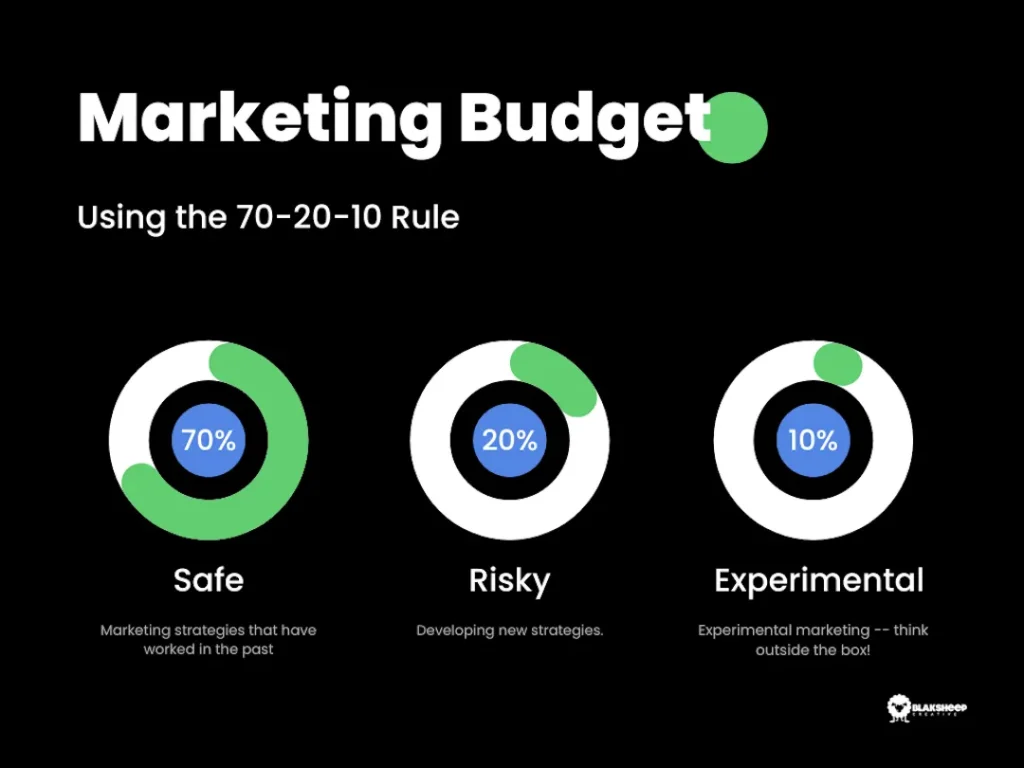
SMBs should consider using the 70-20-10 rule when establishing their marketing budget:
- 70% of your marketing budget should be allocated to Safe strategies that have proven effective in the past.
- 20% should be dedicated to Risky initiatives, meaning developing new strategies that have the potential for higher returns.
- 10% should go towards Experimental tactics, encouraging outside-the-box thinking that could lead to innovative breakthroughs.
Want this handled for you? We build and market websites for Louisiana businesses, and we will tell you honestly if you do not need us.
Bridging the Knowledge Gap: Embracing Digital Marketing Education
A common obstacle for SMBs is a lack of comprehensive digital marketing knowledge. Many SMB owners may not be fully conversant with the intricacies of digital tools, tactics, and best practices. This gap can be bridged through continuous education and training. Leveraging online resources, attending workshops, and consulting with digital marketing professionals can enhance an SMB’s understanding and application of effective digital marketing strategies.
Maximizing Impact with Limited Staffing
For SMBs, small marketing teams are often the norm, which can limit the scope and effectiveness of marketing campaigns. However, a small team can still make a significant impact by focusing on its core competencies and employing automation tools to streamline tasks. Outsourcing certain marketing functions to specialized agencies or freelancers can complement in-house efforts, providing expertise and additional manpower when needed.
The Pitfalls of DIY Marketing
While DIY marketing may seem like a cost-effective solution, it often leads to inconsistent or ineffective strategies. SMBs should consider professional assistance to make sure their marketing efforts are cohesive, well-planned, and aligned with their business objectives. Collaboration with marketing professionals can bring a fresh perspective and specialized skills to an SMB’s marketing strategy.
The 70-20-10 rule puts 70% of the marketing budget into proven strategies, 20% into promising new initiatives, and 10% into experiments.
Consistency is Key: Streamlining Marketing Efforts
Inconsistent marketing efforts can lead to suboptimal results. For SMBs, maintaining a consistent marketing presence is important. This can be achieved through regular content updates, ongoing social media engagement, and continuous SEO efforts. A well-maintained marketing calendar can help SMBs stay on track with their marketing campaigns, ensuring consistency and coherence in their messaging and branding.
Navigating the Technical Landscape: Overcoming Lack of In-House Expertise
The absence of in-house technical expertise can be a significant barrier for some SMBs. This challenge can be addressed by partnering with tech-savvy agencies or consultants who can manage the more technical aspects of digital marketing, such as website development, data analytics, and digital advertising platforms.
Adapting to Evolving Technologies and Trends
The digital marketing area is continually evolving, with new technologies and trends emerging regularly. For SMBs, staying abreast of these changes is essential. This includes monitoring advancements in artificial intelligence (AI), machine learning, and emerging social media platforms. Embracing these technologies can help SMBs stay competitive and relevant in a crowded digital marketplace.
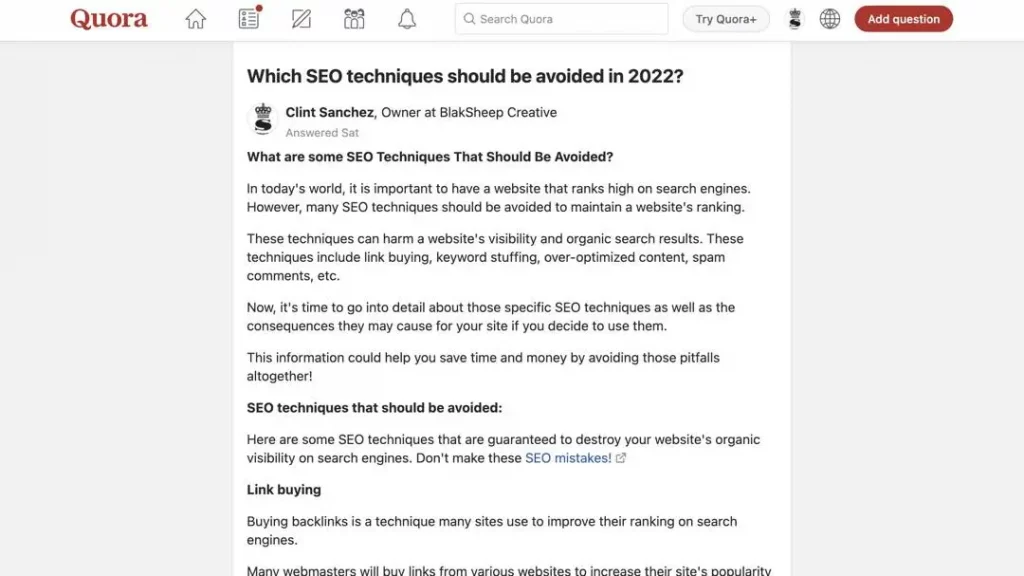
Conversely, you’ll need to learn which technologies to forget, like link-buying — mentioned in the above image.
“BlakSheep Creative is amazing with the ability to take an idea from a conversation and bring it to life! From custom logo to website design, call BlakSheep!”

Leveraging Data for Strategic Decision-Making
Data plays a important role in shaping effective digital marketing strategies. SMBs must focus on gathering and analyzing data to understand customer behavior, market trends, and the performance of their marketing campaigns. Utilizing tools like Google Analytics, social media insights, and customer relationship management (CRM) systems can provide valuable data that drives strategic decision-making.
Building a Strong Online Presence with SEO
SEO remains a cornerstone of digital marketing success. For SMBs, investing in SEO is essential to increase visibility and attract organic traffic. This involves optimizing website content, ensuring mobile-friendliness, and building quality backlinks. A strong SEO strategy improves search engine rankings and enhances user experience, leading to higher engagement and conversion rates.
Conclusion: Navigating the Digital Marketing Path with Confidence
As SMBs continue to navigate the complex digital marketing landscape, their challenges can be turned into opportunities for growth and success. By adopting strategic, informed approaches in areas like budget management, knowledge enhancement, team optimization, technical adaptation, and data-driven decision-making, SMBs can effectively compete in the digital arena. The key lies in understanding these challenges, leveraging available resources, and continuously adapting to the dynamic nature of digital marketing.
Are you ready to overcome your SMB’s digital marketing challenges? Contact our expert team for tailored strategies that improve your digital presence and drive growth. Contact us now for a consultation and take the first step towards digital marketing success!
Trying to figure out what marketing actually moves the needle for your business? Book a no-pitch Discovery Call and we’ll talk through your specific situation.
About the author

Founder & Lead Developer · Denham Springs, LA
Clint has built and marketed websites for 26 years, since founding BlakSheep Creative in 2000. He is also a 29-year firefighter and a 23-year member of IAFF Local 557, which is where the bias toward plain answers over sales copy comes from.
- Veteran-owned
- Firefighter-owned
- IAFF Local 557
Common Questions About Small Business Digital Marketing
Short answers to the questions that come up most on this topic.
What is the 70-20-10 rule for marketing budgets?
How can a small business market with almost no budget?
Should a small business outsource its marketing?
What data should an SMB track for marketing decisions?
How does an SMB keep up with marketing technology?

Your next step, without the guesswork
No surprises, clear next steps, and a fixed price before anything starts.