Reputation Management
Real Estate Reputation Management for the Referral Check.
The keys change hands, everyone hugs in the parking lot, and you drive to the next showing. A month later the review request finally goes out, and the client has to remember a feeling. Your next referral checks a stale profile. We build the closing-day ask and answer every review in your voice.

- For an agent, a review is a confirmation gate, not a shopping tool. The referral did the selling; the reviews keep it from unwinding.
- The ask goes out the day of closing or the day after. Two weeks later the response rate falls off hard.
- Reviews stay on the profile they were left on. Google will not move them when you change brokerages, so the profile has to be yours.
What keeps the phone quiet
Why agents with happy clients have twelve reviews.
Nobody asks at closing
The keys change hands, everybody hugs in the parking lot, and the agent drives to the next showing. A month later a text goes out asking for a review, and the client has to remember a feeling. The moment was closing day, and it passed.
The reviews belong to the old brokerage
Six years of reviews sit on a profile the last brokerage controls. The new profile has two. A seller searching your name sees the two, and the goodwill you earned is invisible.
One unfair review, alone
A buyer who lost a bidding war leaves one star. With twenty recent reviews around it, it reads as noise. Sitting alone under a stale profile, it reads as the whole story.
“Clint at BlakSheep Creative is the real deal. He gets it—fast, smart, and no fluff. Took my vision and made it sharper than I thought possible. If you want someone who understands branding, design, and execution on a next-level scale, Clint’s your guy. 5 stars all day.”
What you get
Built to book the job.
The closing-day ask
A text and email that go out the day of closing or the day after, with a link that opens your Google review box directly. One ask, one reminder, no pressure. With Grow it fires from the pipeline when the deal closes.
Every review answered
Positive reviews get a short, specific reply. An unfair one gets a single calm reply that says nothing about the transaction, then gets outpaced.
Google first, Zillow second
Google is the profile answering your name search and the one you keep. Zillow reviews matter to buyers already on Zillow. The request flow points where you need it, and we monitor what shows up on both.
A profile that is yours
Reviews belong to the profile they were left on. Your own practitioner profile is the container for all of this. Setting it up correctly is its own job. Google Business Profile for agents
Reviews on your website, broker-approved
Republished testimonials fall under FTC endorsement rules and fair housing rules. Your broker approves the page, and we build what they approve.
Part of the full plan
Review work runs alongside the site and the ranking work, which is included with every plan. Digital marketing for real estate agents
Job marked complete
Invoice paid · today
The business: Thanks again for your business! If we did right by you, would you mind leaving a quick review? It really helps.
Sent automatically when the job closes.
Want this priced for your business?
How it works
Fixed quote. Fixed timeline. Yours when it’s done.
- 01
15-minute call
Where your reviews live today, how closings get wrapped up, and what the broker will and will not allow.
- 02
Price in writing
Review management comes with Grow Pro, month to month. One number, the work listed under it.
- 03
Set up the ask
Request timing wired to closing, reply drafts in your voice, monitoring on Google and Zillow.
- 04
Run it every month
Requests go out after every closing, replies go up, and you get a five-minute readout of count, rating, and recency.

Trusted by the businesses we build for.






















Proof beats promises
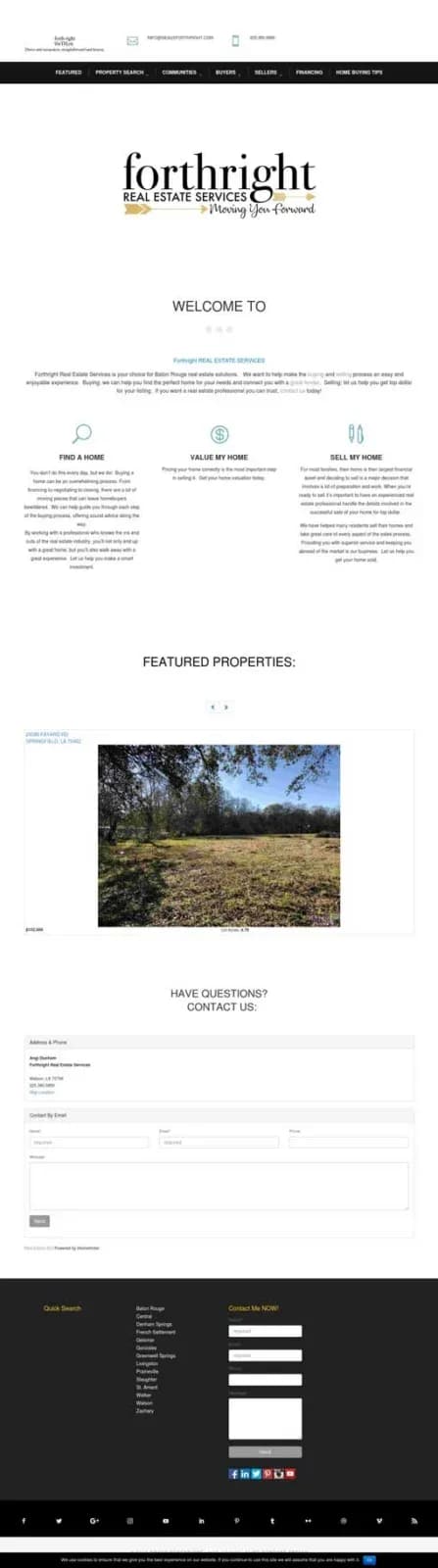
Forthright Real Estate Agency Website Development
Forthright Real Estate is a Baton Rouge area real estate agency that wanted a one-stop-shop website solution. This website was fun and challenging, as it has pl
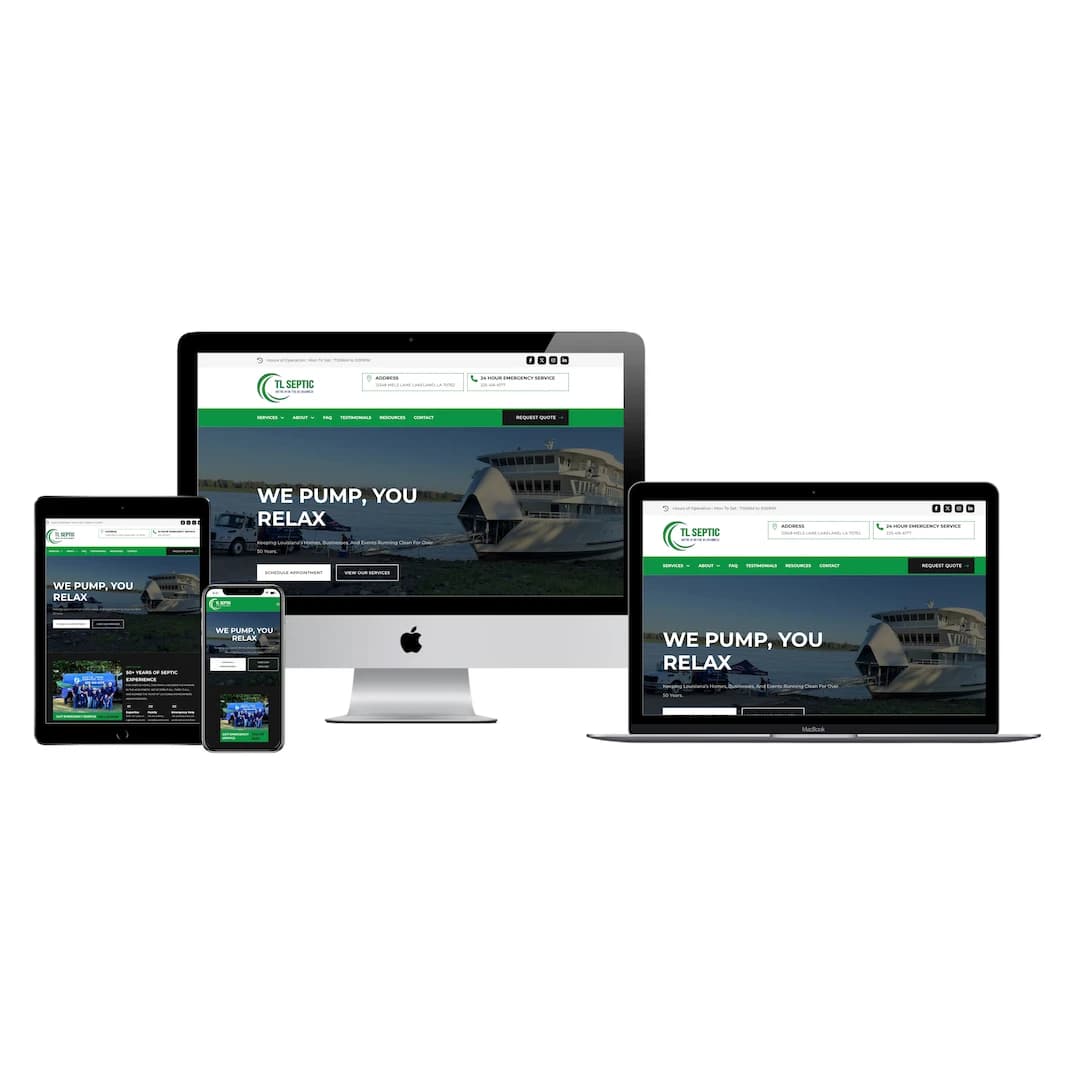
Website Redesign for TL Septic Services
See how we redesigned TL Septic’s website to triple leads, improve mobile UX, and boost local SEO across Louisiana.
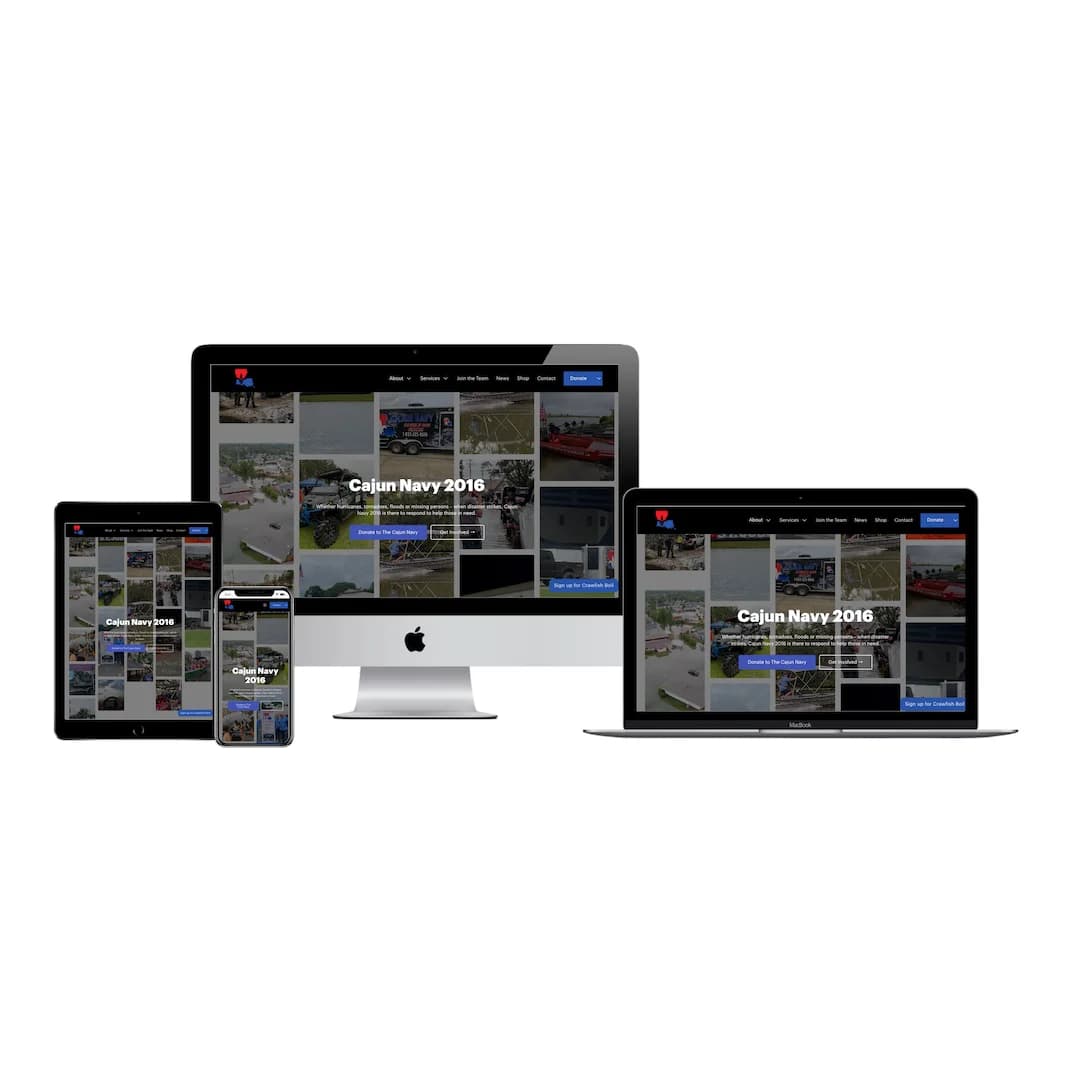
Cajun Navy 2016 Website Project
Discover how we built the Cajun Navy 2016 website, what happened after a takeover, and the SEO impact of poor management.
Google reviews
What clients actually said.
Real Google reviews, five stars, with the year each was left.
Scroll for more →
“Clint and the team at Blaksheep have truly exceeded our expectations. From day one, the communication was clear, prompt, and professional. We were never left guessing where things stood. The work they've done on our website and social media presence has been outstanding.it looks great, functions seamlessly, and really captures the essence of our brand. We're so grateful to have found a team that combines creative talent with such reliability and responsiveness. We're genuinely excited to continue growing with Blaksheep and can't recommend them highly enough!"”
Brandon CurryGoogle review, 2026 “I cannot RAVE and PRAISE enough about who Clint is as a person AND the amount of talent he holds. Genuine, funny, relaxed, and could not have asked for a better graphic designer to work with. When everyone else didn’t meet the expectations I needed for a really personal project, Clint exceeded above and beyond. THANK YOU to this man and the quality work he resulted me with. I will FOREVER use him in any and all design projects going forward!!!”
Megan TheriotGoogle review, 2026 “We couldn’t be happier with the website blaksheep built for our fire department. From start to finish, their team was professional, responsive, and truly understood our mission and community needs. They created a site that’s not only visually appealing but also easy for residents to navigate and access important information quickly. Their attention to detail, quick turnaround, and commitment to excellence really set them apart. We’ve received great feedback from the community, and the new site has made it much easier to share updates, safety information, and event announcements. Highly recommend blaksheep to any organization looking for a reliable, talented, and community-minded IT partner! — Independence Volunteer Fire Department”
Tommie SpencerGoogle review, 2025 “Clint is the man! Not only is he a real life web wizard, he’s an awesome human!”
Lindsey RielGoogle review, 2025 “BlakSheep Creative rocks! Clint was super helpful in putting together our website and offered suggestions that really put us on the right track. If you are looking for help with any of your "creative" needs look no further.”
David AnnisonGoogle review, 2022 “BlakSheep Creative has been a huge blessing to our podcast website. Clint has gone above and beyond to produce an amazing custom website. Not only did Clint work night and day, he had a quick turn around time. He connected 3 different websites into 1 seamless site, he connected all of our social media, itunes reviews, Patreon account, shop and collected analytic (SEO) information. I really will not do justice in describing what all he did for because there are many words and skills I definitely do not understand. What I do understand is his level of professionalism, knowledge and dependability. BlakSHeep Creative is highly recommended by Real Life Real Crime. Thank you for everything!”
Cyndi OvertonGoogle review, 2020 “Exceptional service from an exceptional group!”
Zach SonnierGoogle review, 2026




Fixed quote in writing, before any work starts.
How you can buy it
By the project, or one monthly plan.
By the project
One job, scoped and priced in writing before work starts: a website, a profile cleanup, a link campaign, a press release. You pay for the work, and everything we build is yours.
The monthly plan
$500 a month · 12-month plan, website build fee waived
Get found
- Your website, built, hosted and maintained
- Google Business Profile optimization, with 3 posts a week
- Local SEO: on-page work, technical fixes and schema
- Keyword research, and rank tracking on up to 100 keywords
- 75+ citations on Google, Bing, Apple Maps and directories
- AI search visibility, so assistants can name you
Get trusted
- 4 SEO articles a month, guaranteed
- 6 guest-post backlinks a month from relevant sites
- 1 press release a month, written and distributed
- Review requests after every job, and a reply to every review
- Social media posting on 3 platforms
Stay in the loop
- A monthly report on rankings, traffic and leads
- A monthly strategy call, direct with the people doing the work
- You own the site, domain and content
Pay-per-click ads are managed separately, and ad spend stays in your own account.
Text-back on every missed call, automatic follow-up and call tracking come with Grow, our platform. See Grow.
If the price is what stands between you and getting started, tell us your story. Pennies on the dollar when we can.
Why businesses hire us
- Veteran-owned, in Denham Springs since 2000.
- Fixed quote before we start. No hourly surprises.
- You talk to the people who do the work.
- Published pricing and a free 15-minute discovery call.
- Tight budget? Tell us your story. We listen before we decide what is possible.


The short answer
Most sellers have already picked you before they read a review. The review check decides whether that choice survives the next ten minutes. Our reputation management for real estate agents builds the closing-day ask, so the request lands while the transaction is still the biggest thing in their week, answers every review in your voice, and keeps recent reviews arriving on a Google profile that stays yours across brokerage changes. No gift cards, no bought reviews, and nothing posted that your broker has not approved. Price in writing, month to month.