
Pay Per Click
Google Ads for Real Estate Agents Who Skip the Portals.
Your ad for homes for sale costs what a national portal will pay, and it lands a buyer already talking to four agents. When a real lead calls, you’re in a showing and it goes to voicemail. We run paid search on your name, seller-intent searches, and narrow geography, with call tracking on every ad.

- Your own name is the cheapest campaign you will ever run. Competitors bid on it, and the person searching it is already sold.
- Seller intent beats buyer intent. A homeowner searching what their house is worth is a listing; a buyer clicking a portal ad is a nine-month conversation.
- Housing ads cannot target by ZIP code, age, gender, marital or parental status. Google enforces it at the platform level, so the geography has to be done by radius and named place.
What keeps the phone quiet
Why most agent ad budgets disappear.
Bidding against Zillow for a buyer click
The campaign targets homes for sale in the city. The click costs what a portal is willing to pay, and it lands somebody already talking to four other agents. The budget is gone by the fifteenth.
The brokerage account
Ads run through a shared account. Conversion data from a dozen agents is mixed together, nobody can tell which calls were yours, and when you leave, the history stays behind.
Calls to a voicemail
The ad works. The phone rings during a showing and goes to voicemail. A real estate lead wants a person, and the first real conversation usually wins them. The ad paid for a conversation that never happened.
“Clint at BlakSheep Creative is the real deal. He gets it—fast, smart, and no fluff. Took my vision and made it sharper than I thought possible. If you want someone who understands branding, design, and execution on a next-level scale, Clint’s your guy. 5 stars all day.”
What you get
Built to book the job.
Name defense
A campaign on your own name and your team name, so a referral searching you finds you and not the competitor bidding on it.
Seller-intent campaigns
Home value, sell my house, listing agent searches in the places you actually list. The people in this auction are closer to a signature than any buyer click.
Geography that respects housing rules
Radius and named places, never ZIP codes or demographics. Tight enough that the click price drops, wide enough to cover where you close.
Call tracking and a kill number
Every call and form tied to the campaign, and a cost per appointment agreed before launch. If a campaign crosses it, it pauses. Part of Grow
Somebody answers
With Grow, every ad lead gets a text back within seconds and a missed call gets a text before they dial the next agent. The first real conversation still has to be yours. Part of Grow
Run alongside organic
Ads stop the day you pause them. The profile and ranking work keep going, and they come with every plan. SEO for real estate agents
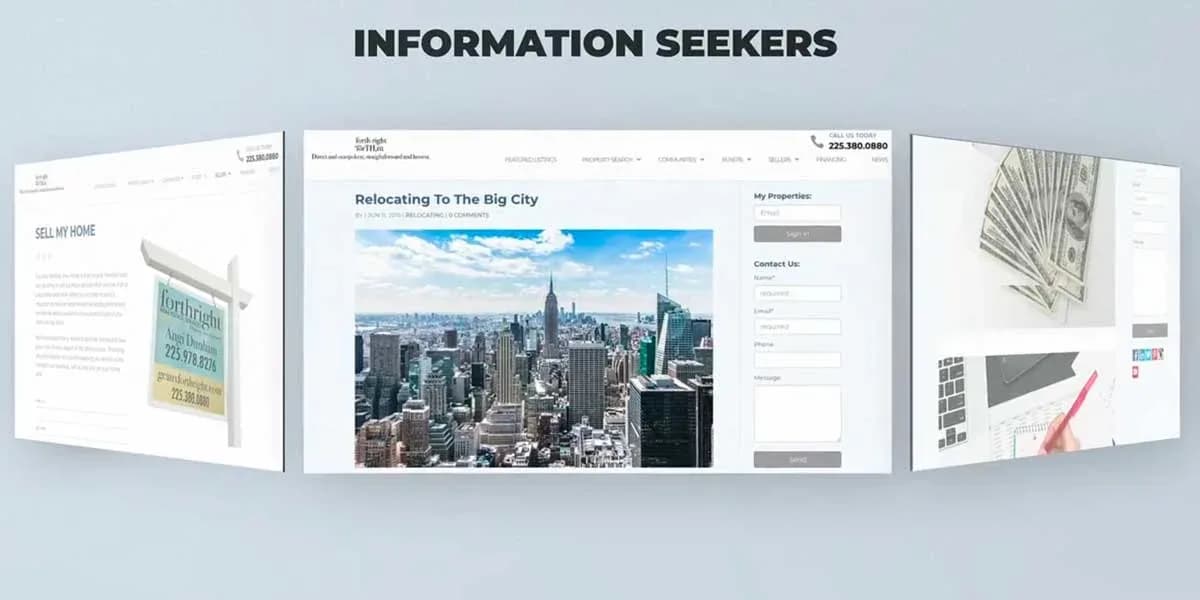
Work we shipped
Forthright Real Estate Agency Promotional Video
See the project →
Want this priced for your business?
How it works
Fixed quote. Fixed timeline. Yours when it’s done.
- 01
15-minute call
Your average commission, how many appointments you can genuinely work in a month, and what you have spent on leads before.
- 02
Size the budget
If the number is too small to learn from, we say so. A test too small to learn from costs more than no test.
- 03
Price in writing
Flat management fee, month to month. Ad spend stays in an account under your billing.
- 04
Launch, track, adjust
Tracking live before the first ad. Name and seller campaigns first, then a monthly readout in calls and appointments.

Trusted by the businesses we build for.
























Proof beats promises

1 Percent Lists Real Estate Showcase Video
A real estate showcase video is a guaranteed way to help sell your listings Showcase videos have been proven to receive 403% more inquiries.
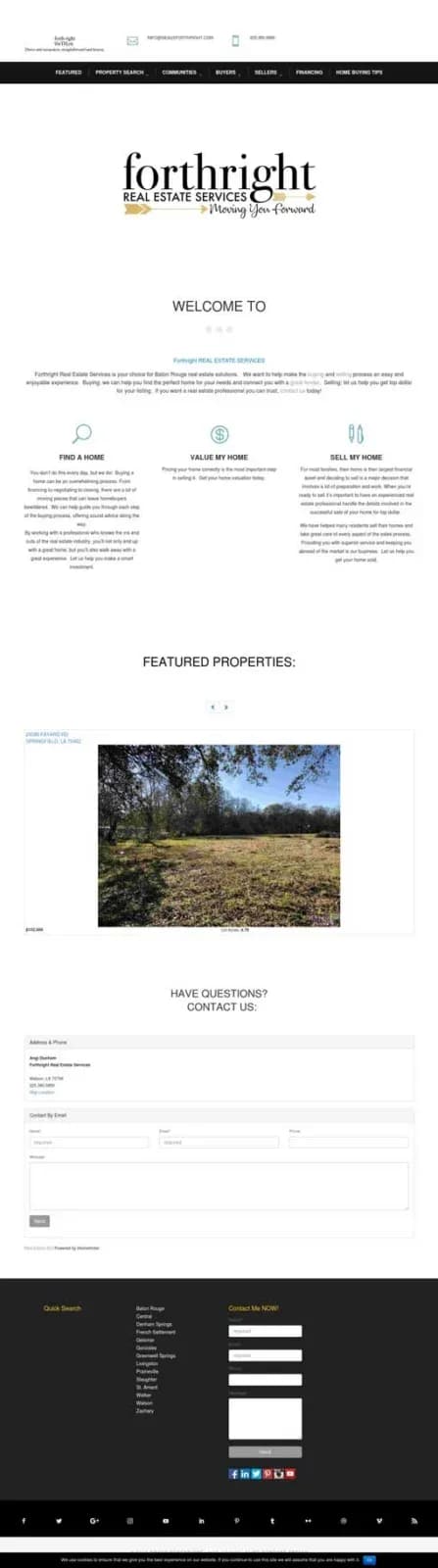
Forthright Real Estate Agency Website Development
Forthright Real Estate is a Baton Rouge area real estate agency that wanted a one-stop-shop website solution. This website was fun and challenging, as it has pl
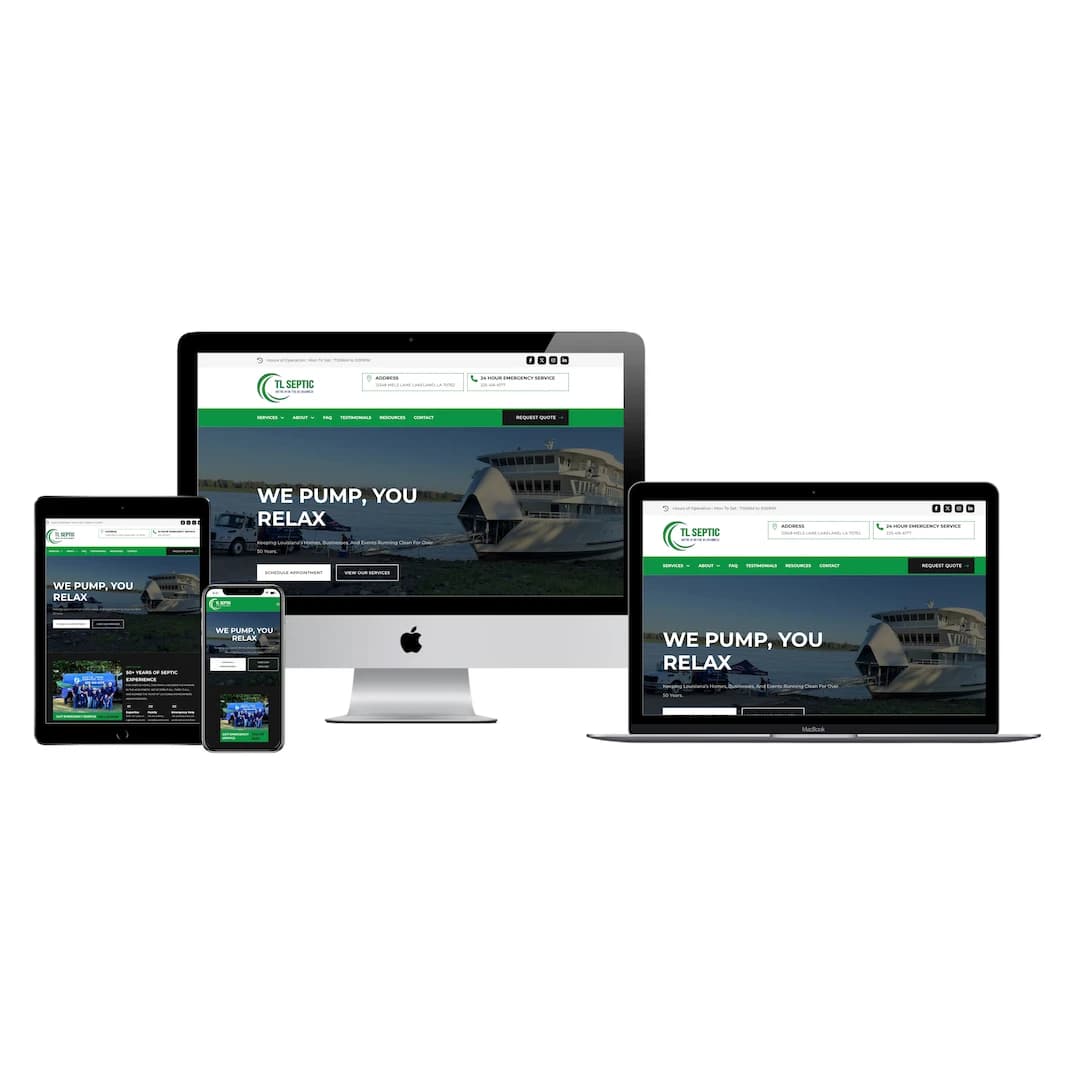
Website Redesign for TL Septic Services
See how we redesigned TL Septic’s website to triple leads, improve mobile UX, and boost local SEO across Louisiana.
Google reviews
What clients actually said.
Real Google reviews, five stars, with the year each was left.
Scroll for more →
“Clint and the team at Blaksheep have truly exceeded our expectations. From day one, the communication was clear, prompt, and professional. We were never left guessing where things stood. The work they've done on our website and social media presence has been outstanding.it looks great, functions seamlessly, and really captures the essence of our brand. We're so grateful to have found a team that combines creative talent with such reliability and responsiveness. We're genuinely excited to continue growing with Blaksheep and can't recommend them highly enough!"”
Brandon CurryGoogle review, 2026 “I cannot RAVE and PRAISE enough about who Clint is as a person AND the amount of talent he holds. Genuine, funny, relaxed, and could not have asked for a better graphic designer to work with. When everyone else didn’t meet the expectations I needed for a really personal project, Clint exceeded above and beyond. THANK YOU to this man and the quality work he resulted me with. I will FOREVER use him in any and all design projects going forward!!!”
Megan TheriotGoogle review, 2026 “We couldn’t be happier with the website blaksheep built for our fire department. From start to finish, their team was professional, responsive, and truly understood our mission and community needs. They created a site that’s not only visually appealing but also easy for residents to navigate and access important information quickly. Their attention to detail, quick turnaround, and commitment to excellence really set them apart. We’ve received great feedback from the community, and the new site has made it much easier to share updates, safety information, and event announcements. Highly recommend blaksheep to any organization looking for a reliable, talented, and community-minded IT partner! — Independence Volunteer Fire Department”
Tommie SpencerGoogle review, 2025 “Clint is the man! Not only is he a real life web wizard, he’s an awesome human!”
Lindsey RielGoogle review, 2025 “BlakSheep Creative rocks! Clint was super helpful in putting together our website and offered suggestions that really put us on the right track. If you are looking for help with any of your "creative" needs look no further.”
David AnnisonGoogle review, 2022 “BlakSheep Creative has been a huge blessing to our podcast website. Clint has gone above and beyond to produce an amazing custom website. Not only did Clint work night and day, he had a quick turn around time. He connected 3 different websites into 1 seamless site, he connected all of our social media, itunes reviews, Patreon account, shop and collected analytic (SEO) information. I really will not do justice in describing what all he did for because there are many words and skills I definitely do not understand. What I do understand is his level of professionalism, knowledge and dependability. BlakSHeep Creative is highly recommended by Real Life Real Crime. Thank you for everything!”
Cyndi OvertonGoogle review, 2020 “Exceptional service from an exceptional group!”
Zach SonnierGoogle review, 2026




Fixed quote in writing, before any work starts.
Why businesses hire us
- Veteran-owned, in Denham Springs since 2000.
- Fixed quote before we start. No hourly surprises.
- You talk to the people who do the work.
- Published pricing and a free 15-minute discovery call.
- Tight budget? Tell us your story. We listen before we decide what is possible.


The short answer
Bidding on homes for sale in your city puts you in an auction with national portals, lead vendors, and every agent in town, paying a portal-sized click price for a buyer who is nine months out. Our Google Ads for real estate agents work the cheaper auctions with better people in them: your own name, seller-intent searches, and narrow geography where the click price collapses. Every campaign gets call tracking and a kill number agreed before launch. Management priced in writing, month to month. Ad spend stays in an account under your billing.