Digital Marketing
Political Campaign Digital Marketing on a Hard Deadline.
A voter hears your name at a meeting and searches it that night. She finds an old announcement post and a news mention: no positions, no bio, no way to give. She moves on to the candidate with a page. We build the site, a phone-friendly donation flow, volunteer capture, and district targeting.

- In eight weeks the site, the donation flow, volunteer capture, and district targeting get built. Anything that pays off in six months gets skipped.
- The site is a fixed cost you pay once. Reaching voters in your district is the recurring cost, and it is where a small budget is either focused or wasted.
- The domain and the supporter list are what you keep after the election. Rebuilding a list from zero is the expensive part of running again.
What keeps the phone quiet
Why local candidates lose the voters who went looking for them.
Searched your name, found nothing
A voter hears your name at a meeting and searches it that night. She finds a Facebook page from your announcement and a news mention. No positions, no bio, no way to give. She moves on to the candidate with a page.
The donation that took four screens
A supporter taps Donate on a phone. The form wants a mailing address, an employer, an occupation, and a password before it takes a card. He meant to give fifty dollars. He gave up on screen three.
Ads aimed at the whole parish
The budget went to a boosted post that reached thirty thousand people. Four thousand of them can vote in your district. The rest were a donation to the platform.
“Clint took my company's project much further than I ever expected. His tech experience was fantastic, but even more than that, he guided me in directions I hadn't anticipated. We hadn't planned on some of the changes he suggested, but he made it all bigger, better and bolder.”
What you get
Built to book the job.
A site that answers the voter's question
Who you are, what you will do, where and when to vote, and how to help, on a phone, in the first screen. Built to rank for your name and your race before early voting opens.
A donation flow that works on a phone
The fewest fields your treasurer will allow, a card taken in one screen, and the attribution and disclosure language your counsel specifies, placed exactly where they say.
Volunteer and supporter capture
Sign-up forms for yard signs, door knocking, and hosting, with an instant text reply and one list the campaign owns, so nobody who offered to help gets forgotten.
District-level targeting
Search and social campaigns drawn to your precincts, not the metro, with creative built for the voter who has never heard of you. Ad spend stays in the campaign's account.
A response page before you need it
A page and a list ready to go the hour an attack lands, because building infrastructure during a news cycle does not work. We are not crisis counsel, and we say so if that is what the situation needs.
A campaign website built for the window
Fast, mobile, and handed over with the domain and list in the campaign's name, so it can be taken down, converted, or kept for the next cycle. Political campaign website design
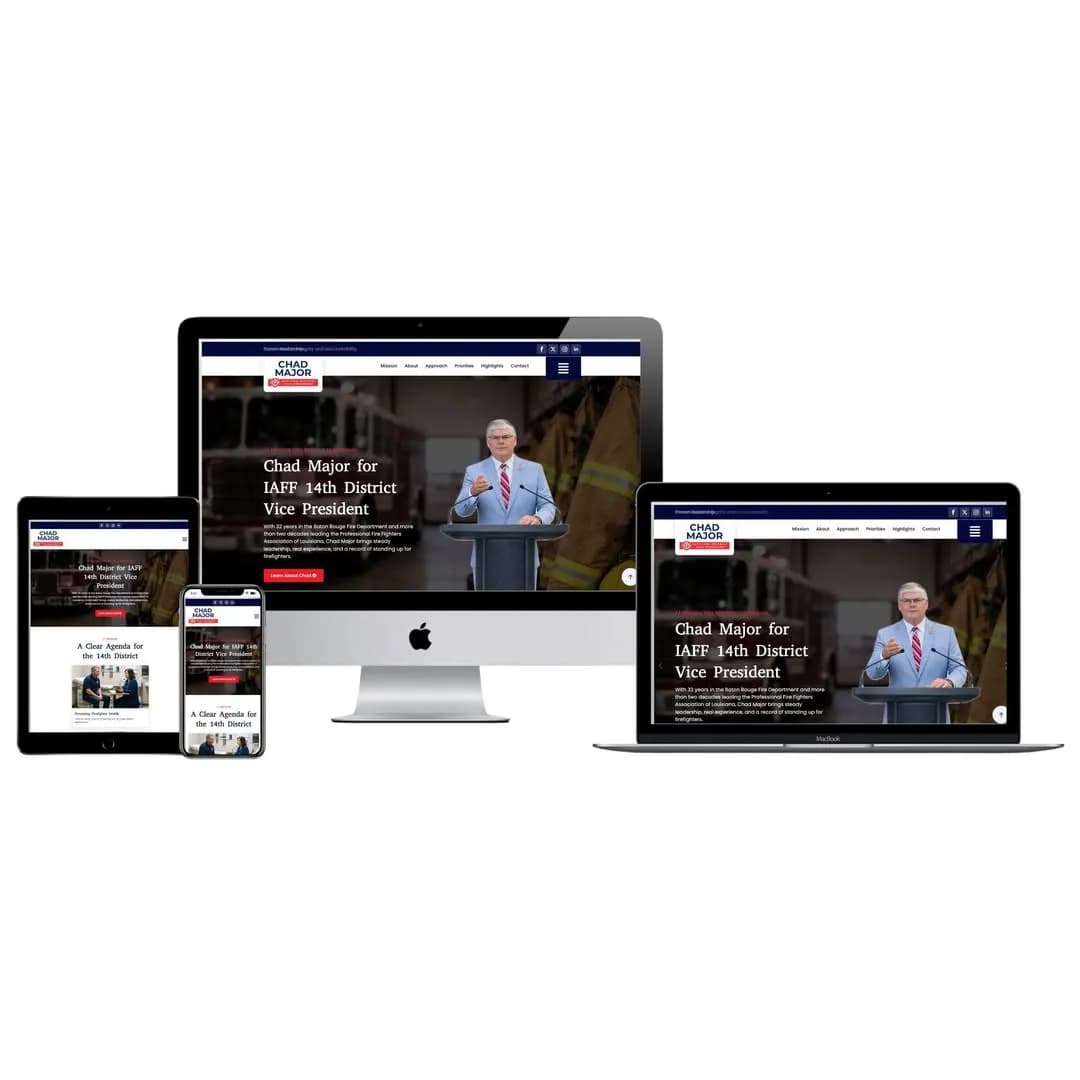
Work we shipped
Chad Major Campaign Website and Social Media Setup
See the project →
Want this priced for your business?
How it works
Fixed quote. Fixed timeline. Yours when it’s done.
- 01
15-minute call
The race, the date, what exists today, what your treasurer requires, and what you can spend.
- 02
Scope to the calendar
What can be built and can pay off before the vote, and what cannot. If something is not worth buying for your window, we say so.
- 03
Price in writing
A fixed quote for the build and a targeting plan sized to the district, scoped per race. Ad spend separate, in the campaign's account.
- 04
Launch and run to election day
Site live, giving on, volunteers captured, targeting running. Weekly numbers in donations, volunteers, and reach inside the district.

400+ clients served
Trusted by the businesses we build for.





















Proof beats promises
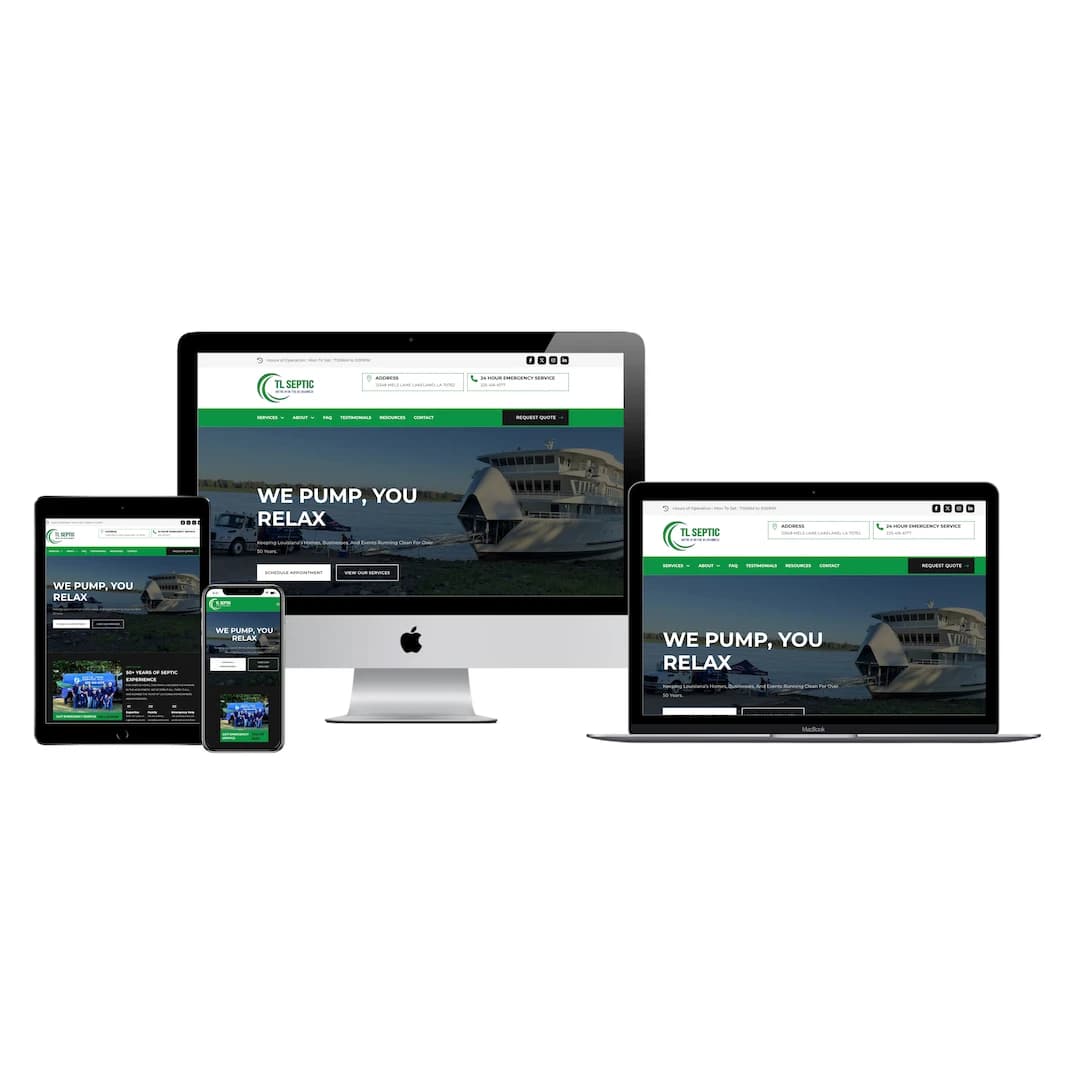
Website Redesign for TL Septic Services
See how we redesigned TL Septic’s website to triple leads, improve mobile UX, and boost local SEO across Louisiana.
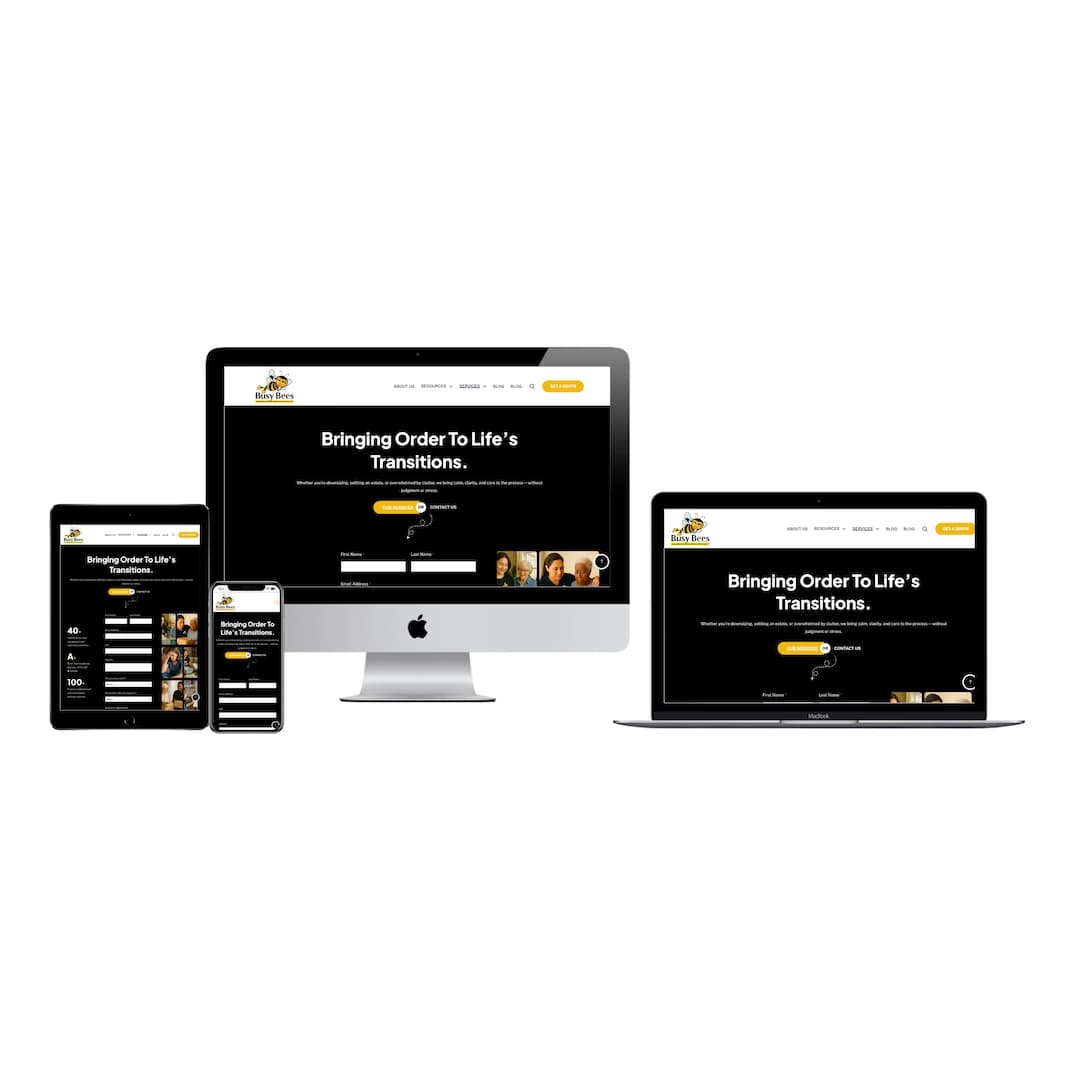
Busy Bees Concierge & Home Services Website Redesign
BlakSheep Creative rebuilt Busy Bees Concierge & Home Services on WordPress with Bricks Builder, boosting UX, speed, mobile performance, and lead conversions.
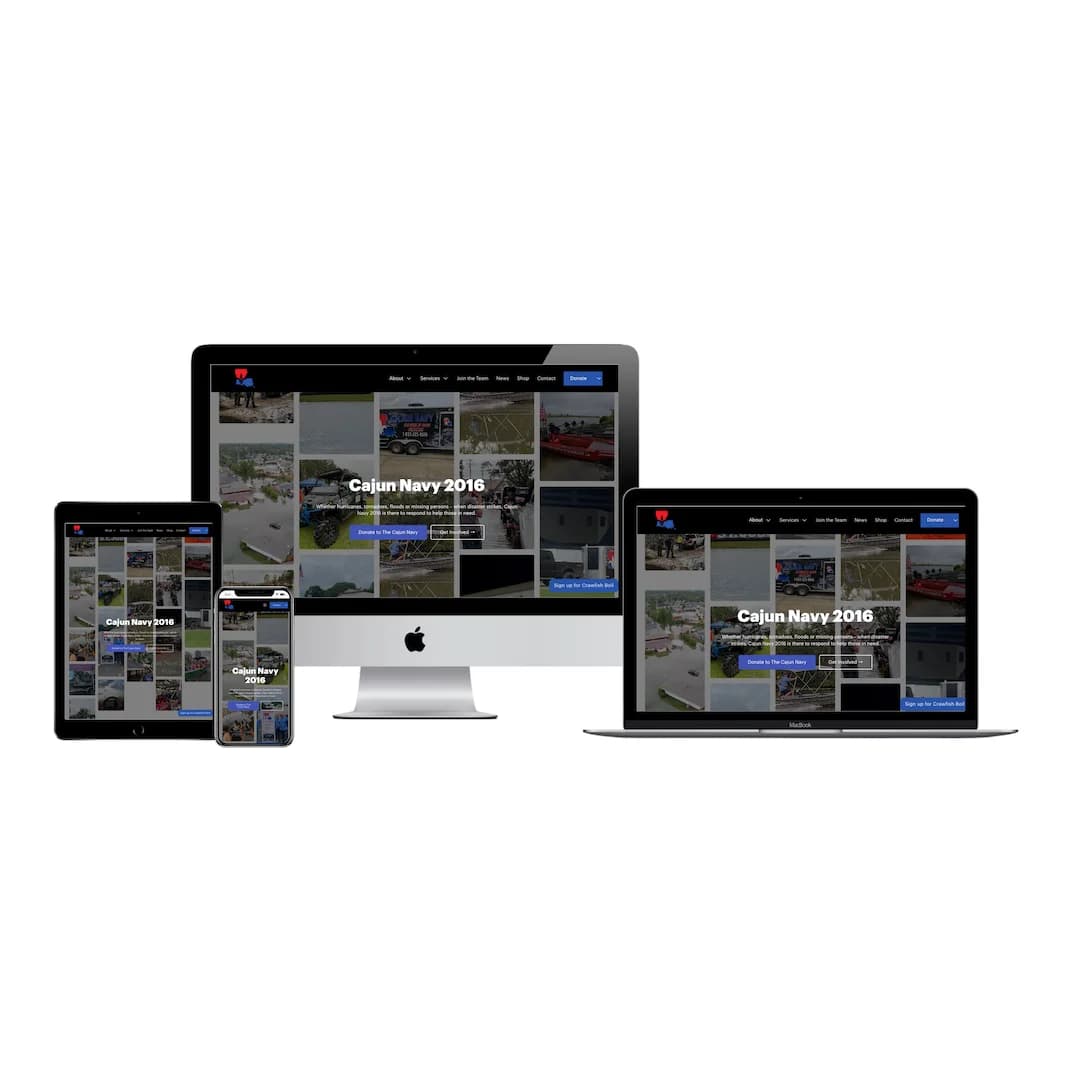
Cajun Navy 2016 Website Project
Discover how we built the Cajun Navy 2016 website, what happened after a takeover, and the SEO impact of poor management.
Google reviews
What clients actually said.
Real Google reviews, five stars, with the year each was left.
Scroll for more →
“Blaksheep Creative was such a pleasure to work with. Great service and even better results!”
Casey HardyGoogle review, 2026 “Best service around!!”
Inkya TattoosGoogle review, 2026 “Black sheep creative created me a website that is fully functional and looks amazing! They were quick and worked with me effectively in order to create the website that I always envisioned for my company!”
Nik SanchezGoogle review, 2026 “Exceptional service from an exceptional group!”
Zach SonnierGoogle review, 2026 “Mr clint is an amazing guy who is extremely professional and responsive, when it comes to the service he provides. His website building and promoting skills are top tier.”
nicholas mcdowellGoogle review, 2026 “We had a great experience working with BlakSheep Creative! Clint was professional, responsive, and easy to work with throughout the entire process. He was always willing to help and made sure everything was taken care of. We truly appreciate his work and would definitely recommend BlakSheep Creative to anyone looking for a great website company!”
alejandra serranoGoogle review, 2026 “Clint and the team at Blaksheep have truly exceeded our expectations. From day one, the communication was clear, prompt, and professional. We were never left guessing where things stood. The work they've done on our website and social media presence has been outstanding.it looks great, functions seamlessly, and really captures the essence of our brand. We're so grateful to have found a team that combines creative talent with such reliability and responsiveness. We're genuinely excited to continue growing with Blaksheep and can't recommend them highly enough!"”
Brandon CurryGoogle review, 2026




Fixed quote in writing, before any work starts.
How you can buy it
By the project, or one monthly plan.
By the project
One job, scoped and priced in writing before work starts: a website, a profile cleanup, a link campaign, a press release. You pay for the work, and everything we build is yours.
The monthly plan
$500 a month · 12-month plan, website build fee waived
Get found
- Your website, built, hosted and maintained
- Google Business Profile optimization, with 3 posts a week
- Local SEO: on-page work, technical fixes and schema
- Keyword research, and rank tracking on up to 100 keywords
- 75+ citations on Google, Bing, Apple Maps and directories
- AI search visibility, so assistants can name you
Get trusted
- 4 SEO articles a month, guaranteed
- 6 guest-post backlinks a month from relevant sites
- 1 press release a month, written and distributed
- Review requests after every job, and a reply to every review
- Social media posting on 3 platforms
Stay in the loop
- A monthly report on rankings, traffic and leads
- A monthly strategy call, direct with the people doing the work
- You own the site, domain and content
Pay-per-click ads are managed separately, and ad spend stays in your own account.
Text-back on every missed call, automatic follow-up and call tracking come with Grow, our platform. See Grow.
If the price is what stands between you and getting started, tell us your story. Pennies on the dollar when we can.
Why businesses hire us
- Veteran-owned, in Denham Springs since 2000.
- Fixed quote before we start. No hourly surprises.
- You talk to the people who do the work.
- Rather pay monthly? Grow for political campaigns: the website, CRM and follow-up in one plan.
- Published pricing and a free 15-minute discovery call.
- Tight budget? Tell us your story. We listen before we decide what is possible.


The short answer
Political campaign digital marketing for a local race comes down to one gap. Pew Research found 70 percent of Americans are at least somewhat interested in local elections, but only 45 percent say it is easy to find what they need to vote in one. We build the site, the donation flow, volunteer capture, and district-level targeting inside the window you actually have. Reported weekly in donations, volunteers, and reach inside the district.
Common questions about digital marketing for political campaigns
The election is in eight weeks. Is it too late?
Do you handle campaign finance compliance and disclaimers?
Do you only work with one party?
Can you use our voter file or work with our existing tools?
How much should a local campaign spend on this?
We are running for a small local seat. Is any of this worth it?

More for political campaigns
Digital Marketing for other industries
From the blog
Read Before You Hire Anyone.
Plain answers to the questions owners ask us most, written by the people who do the work.
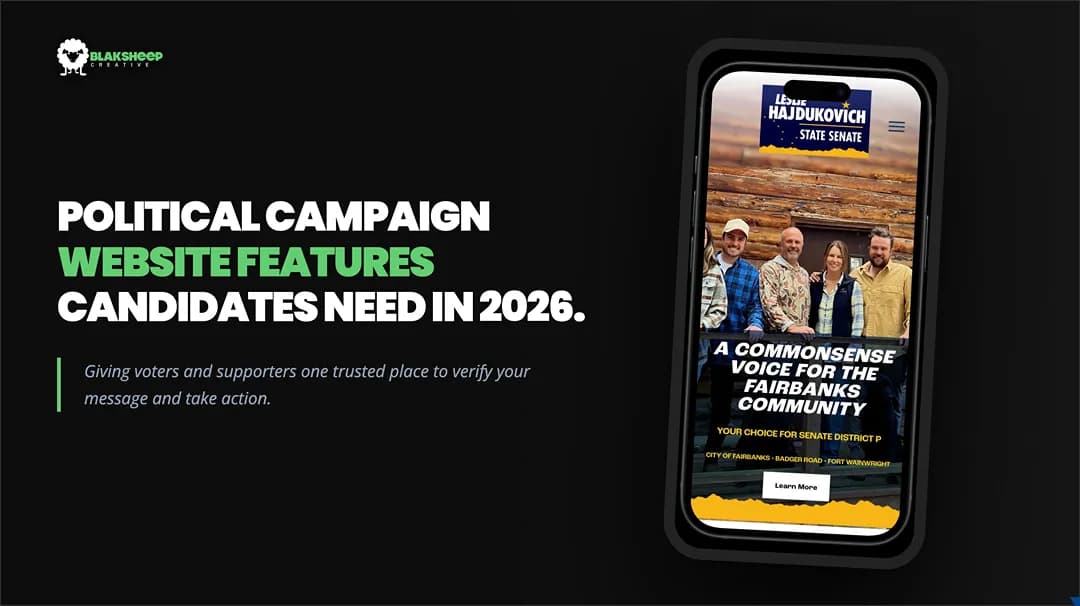
Political Campaign Website Features Candidates Need in 2026
What a political campaign website needs in 2026: must-have pages, trust signals, action paths, mobile and accessibility basics, SEO, and compliance.
Read the article →
What a Political Campaign Website Needs to Win Votes
The seven things a political campaign website needs: bio and platform, endorsements, donate button, volunteer sign-up, contact paths, events, and mobile speed.
Read the article →