
Digital Marketing
Fire & EMS Consultant Marketing From Inside the Firehouse.
A chief fills out your form Monday night after a rough council meeting. You see it Thursday. By then, a consultant who wrote three pages on deployment studies has already called him back. We are firefighter-owned, and we write the content chiefs search, build an RFP-ready credentials page, and answer inquiries fast.

- A chief who reads your analysis of a problem he has is a chief who invites you to bid. The content is the marketing.
- Procurement wants credentials, past engagements, and references in one place. If the RFP reviewer has to hunt for them, the vague site down the list wins.
- Your buyer is a chief, an administrator, or a board. Copy written for a homeowner reads wrong to every one of them.
What keeps the phone quiet
Why capable consultants lose engagements to louder ones.
The site that says nothing specific
Thirty years of experience, trusted advisors, proven results. A deputy chief searching for help with a deployment study finds nothing on your site about deployment studies. He finds the consultant who wrote three pages on them.
The RFP reviewer who could not find it
A county administrator is scoring proposals. She checks your site for past engagements, references, and who is actually on the team. It is a contact form and a headshot. Your score drops before you present.
The inquiry answered on Thursday
A chief filled out your form Monday night after a bad council meeting. You saw it Thursday. He had already talked to two other consultants, one of whom called him Tuesday morning.
“Blaksheep picked up an unfinished project for us mid-stream and was able to turn it around and see to completion. They made multiple design changes and gave us a great end result.”

What you get
Built to book the job.
Authority content chiefs search
Four SEO articles a month, guaranteed, on the questions your buyers actually search: how a standards of cover study works, what an ISO review changes, how to justify staffing to a council. Written in fire service language by people who have worked a shift.
A page per engagement type
Deployment and staffing analysis, master planning, consolidation studies, EMS system design, software and procurement advisory, each with its own page describing the problem, the process, and the deliverable a board receives.
An RFP-ready credentials page
Team bios, certifications, past engagements by agency type and size, references, and a downloadable capabilities statement, organized the way a procurement reviewer scores them.
Outreach to the agencies you want
Email and LinkedIn sequences to chiefs and administrators in the regions and agency sizes you serve, built around your content rather than a cold pitch, with every reply tracked.
Response within minutes
Every inquiry gets an instant reply and a booking link, missed calls get a text, and every prospect sits in one pipeline with their agency, the problem they came in with, and the source. Part of Grow
A website that holds up in front of a chief
Fast, credible, built around engagement types and credentials rather than slogans. If yours reads like a brochure, we rebuild it around the work.

Work we shipped
Website Launch and Authority-Building Strategy for OG Advisors
See the project →
Want this priced for your business?
How it works
Fixed quote. Fixed timeline. Yours when it’s done.
- 01
15-minute call
Which engagement types you want more of, which agencies and regions, how inquiries arrive, and what a procurement reviewer sees on your site today.
- 02
Authority audit
What chiefs search in your specialty, who ranks for it now, and what your site says about credentials, past work, and who is on the team.
- 03
Plan and price in writing
$500 a month on a 12-month plan with the website included, or a content and outreach scope on its own. No pitch.
- 04
Publish, reach out, report
Engagement pages and credentials live, content publishing, outreach running, inquiries answered in minutes. Monthly report in qualified inquiries and RFP invitations by source.

400+ clients served
Trusted by the businesses we build for.





















Proof beats promises
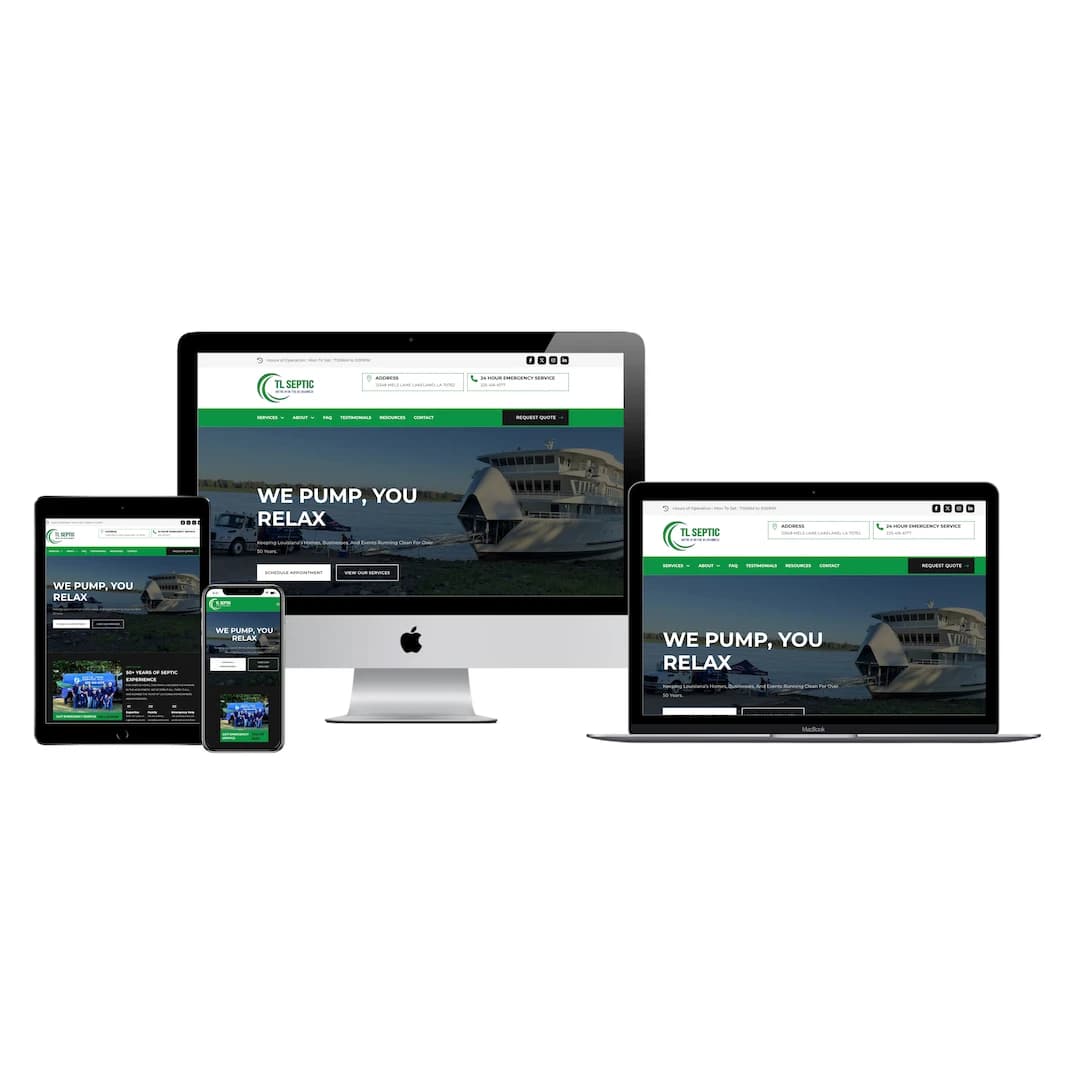
Website Redesign for TL Septic Services
See how we redesigned TL Septic’s website to triple leads, improve mobile UX, and boost local SEO across Louisiana.
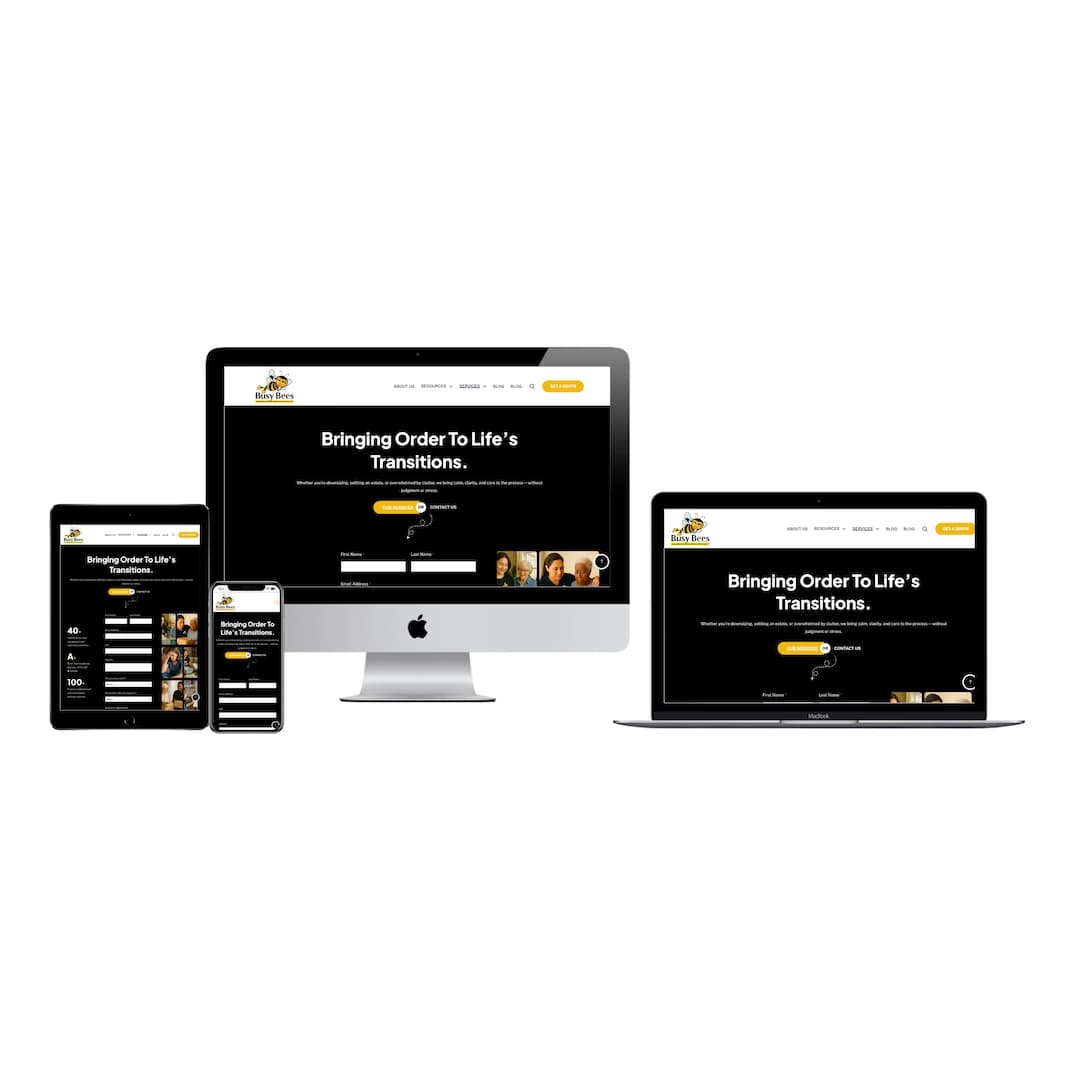
Busy Bees Concierge & Home Services Website Redesign
BlakSheep Creative rebuilt Busy Bees Concierge & Home Services on WordPress with Bricks Builder, boosting UX, speed, mobile performance, and lead conversions.
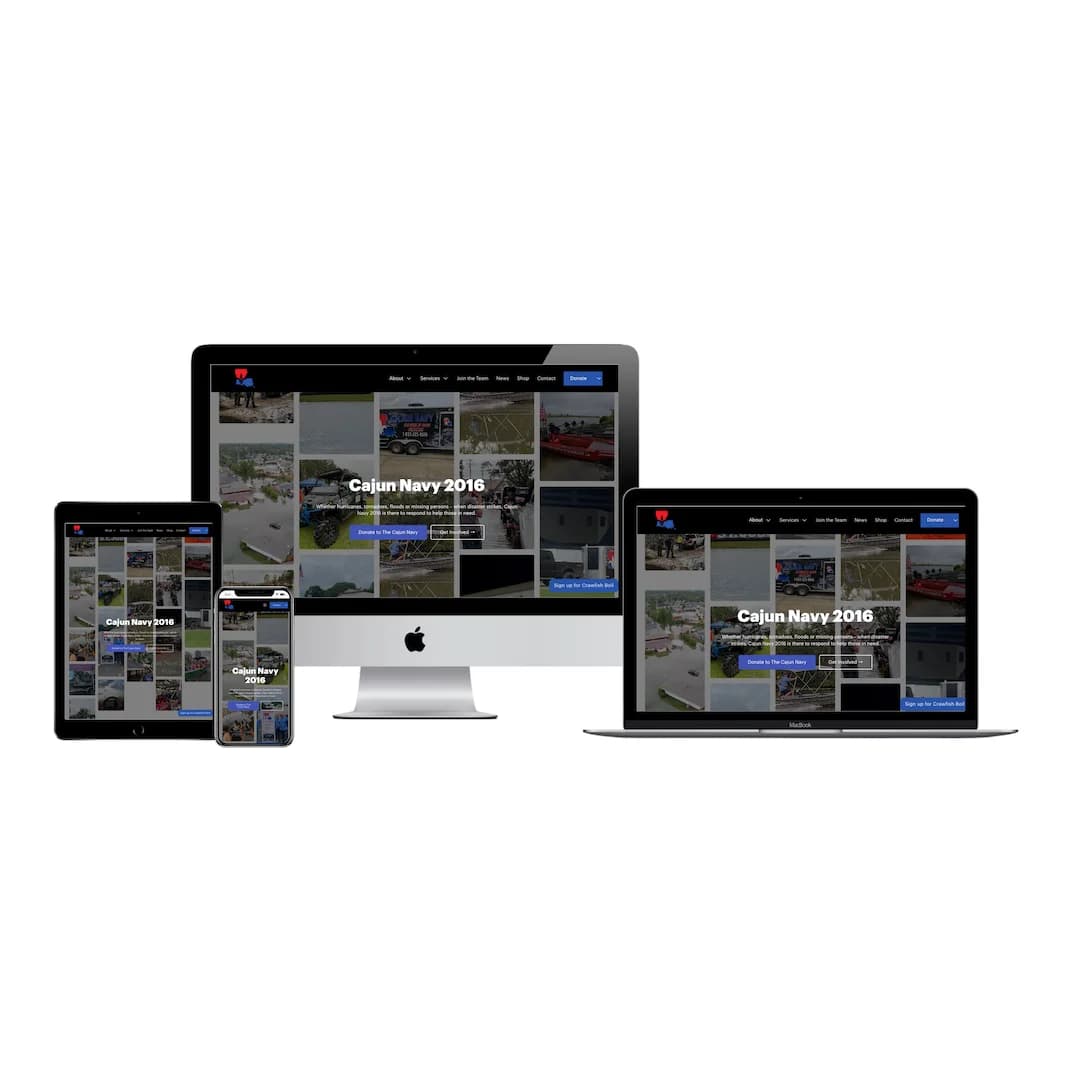
Cajun Navy 2016 Website Project
Discover how we built the Cajun Navy 2016 website, what happened after a takeover, and the SEO impact of poor management.
Google reviews
What clients actually said.
Real Google reviews, five stars, with the year each was left.
Scroll for more →
“We couldn’t be happier with the website blaksheep built for our fire department. From start to finish, their team was professional, responsive, and truly understood our mission and community needs. They created a site that’s not only visually appealing but also easy for residents to navigate and access important information quickly. Their attention to detail, quick turnaround, and commitment to excellence really set them apart. We’ve received great feedback from the community, and the new site has made it much easier to share updates, safety information, and event announcements. Highly recommend blaksheep to any organization looking for a reliable, talented, and community-minded IT partner! — Independence Volunteer Fire Department”
Tommie SpencerGoogle review, 2025 “Blaksheep Creative was such a pleasure to work with. Great service and even better results!”
Casey HardyGoogle review, 2026 “Best service around!!”
Inkya TattoosGoogle review, 2026 “Black sheep creative created me a website that is fully functional and looks amazing! They were quick and worked with me effectively in order to create the website that I always envisioned for my company!”
Nik SanchezGoogle review, 2026 “Exceptional service from an exceptional group!”
Zach SonnierGoogle review, 2026 “Mr clint is an amazing guy who is extremely professional and responsive, when it comes to the service he provides. His website building and promoting skills are top tier.”
nicholas mcdowellGoogle review, 2026 “We had a great experience working with BlakSheep Creative! Clint was professional, responsive, and easy to work with throughout the entire process. He was always willing to help and made sure everything was taken care of. We truly appreciate his work and would definitely recommend BlakSheep Creative to anyone looking for a great website company!”
alejandra serranoGoogle review, 2026 “Clint took my company's project much further than I ever expected. His tech experience was fantastic, but even more than that, he guided me in directions I hadn't anticipated. We hadn't planned on some of the changes he suggested, but he made it all bigger, better and bolder.”
Christy GilfourGoogle review, 2026




Fixed quote in writing, before any work starts.
How you can buy it
By the project, or one monthly plan.
By the project
One job, scoped and priced in writing before work starts: a website, a profile cleanup, a link campaign, a press release. You pay for the work, and everything we build is yours.
The monthly plan
$500 a month · 12-month plan, website build fee waived
Get found
- Your website, built, hosted and maintained
- Google Business Profile optimization, with 3 posts a week
- Local SEO: on-page work, technical fixes and schema
- Keyword research, and rank tracking on up to 100 keywords
- 75+ citations on Google, Bing, Apple Maps and directories
- AI search visibility, so assistants can name you
Get trusted
- 4 SEO articles a month, guaranteed
- 6 guest-post backlinks a month from relevant sites
- 1 press release a month, written and distributed
- Review requests after every job, and a reply to every review
- Social media posting on 3 platforms
Stay in the loop
- A monthly report on rankings, traffic and leads
- A monthly strategy call, direct with the people doing the work
- You own the site, domain and content
Pay-per-click ads are managed separately, and ad spend stays in your own account.
Text-back on every missed call, automatic follow-up and call tracking come with Grow, our platform. See Grow.
If the price is what stands between you and getting started, tell us your story. Pennies on the dollar when we can.
Why businesses hire us
- Veteran-owned, in Denham Springs since 2000.
- Fixed quote before we start. No hourly surprises.
- You talk to the people who do the work.
- Rather pay monthly? Grow for fire & EMS consultants: the website, CRM and follow-up in one plan.
- Published pricing and a free 15-minute discovery call.
- Tight budget? Tell us your story. We listen before we decide what is possible.


The short answer
Marketing a fire and EMS consulting practice means being the name a chief already trusts before the RFP goes out. Chiefs and agency leaders are not browsing. They search a specific problem, a standards of cover study, a deployment analysis, a dispatch or records system decision, and they hire the consultant whose work they have already read. We are a firefighter-owned agency, so we write that content in the language of the fire service, build the credentials page a procurement officer needs, run outreach to the agencies you want, and answer every inquiry within minutes. Reported monthly in qualified inquiries and RFP invitations by source.